
FIFA's Shocking NFL-Style Rule Change for 2026 World Cup: Is This the End of Soccer as We Know It?

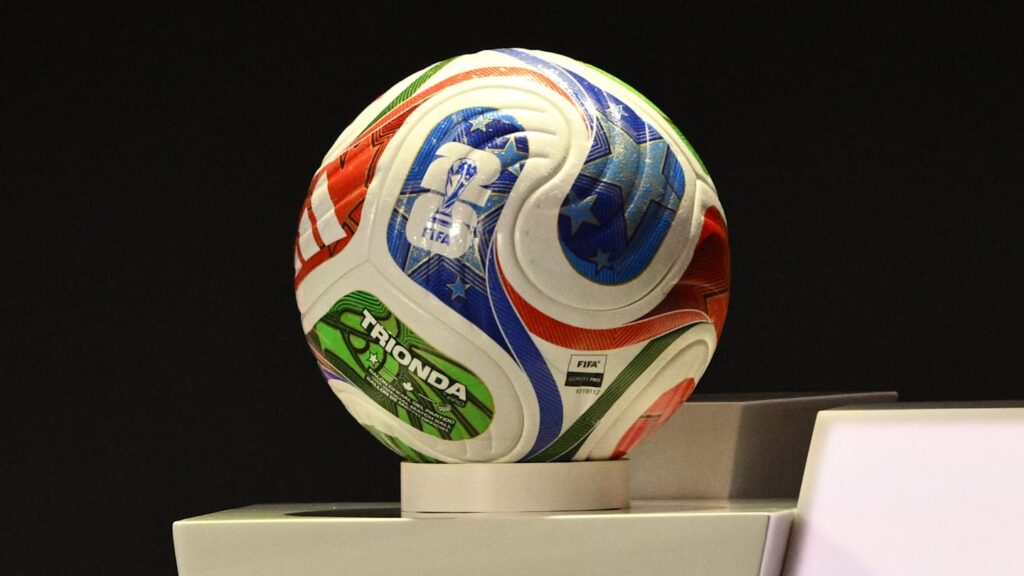
The upcoming 2026 FIFA World Cup, co-hosted by the United States and Canada, is set to introduce a significant change to soccer's traditional format: every match will include “hydration breaks” lasting three minutes, effectively splitting each contest into four quarters. This decision was confirmed by FIFA and is designed to prioritize player welfare in varying weather conditions.
Manolo Zubiria, the chief tournament officer for the 2026 World Cup, stated, “For every game, no matter where the games are played, no matter if there’s a roof, [or] temperature-wise, there will be a three-minute hydration break.” This means that after 22 minutes of play in each half, players will have a brief respite, a feature that mirrors practices in American sports, such as NFL football, NBA basketball, and NHL ice hockey. However, this is an unprecedented alteration in the world of soccer, where the flow of the game has traditionally been uninterrupted.
Though “cooling breaks” have been implemented in the past at the referee's discretion based on the heat and humidity, this newly established formality is historical. No World Cup has previously mandated stoppages at set intervals. FIFA emphasizes that this move aims to ensure “equal conditions for all teams, in all matches,” and reinforces its commitment to player welfare.
FIFA President Gianni Infantino has characterized the tournament as a sequence of “104 superbowls,” which raises the stakes for every match, including those in the group stages. While the viewership for some group matches may not rival the NFL's championship game, the introduction of hydration breaks could provide a strategic layer for teams. Coaches will have additional opportunities to communicate with players throughout the game, effectively increasing the number of in-game team talks.
Interestingly, the tactical implications of these breaks could transform how teams prepare for matches. Coaches may devise strategies to exploit these intervals, potentially altering the dynamics of play. Additionally, broadcasters are likely to use these breaks as prime opportunities for advertisements, merging sports with commercial interests in innovative ways.
FIFA has insisted that this is not a move to “Americanize” soccer but rather a necessary adjustment aimed at protecting athletes and ensuring fair play. As the tournament approaches, fans and teams alike will be watching closely to see how this new system impacts the flow of the game and the strategies employed by coaches.
As we gear up for this landmark event, the introduction of hydration breaks signals a significant evolution in how soccer is played at the highest level. Given the diversity of climates across the host cities, ensuring player safety becomes paramount. The 2026 World Cup is poised to become a transformative moment, not only for soccer in North America but for the sport globally.
IBM's Shocking $11B Confluent Acquisition: What This Means for Your Data Future!

8 Shocking Secrets Psychologists Say You MUST Keep to Maintain Respect—Are You Guilty?
Your Browser is Outdated: 5 Shocking Reasons You MUST Upgrade NOW or Risk Losing Your Data!
RFK Jr. vs. Big Pharma: What Shocking Vaccine Revelations Could Change Everything?

Shocking Playoff Matchups Revealed: Is Your Team Doomed Before the Game? Find Out Now!

You Won't Believe Which Miami Heat Star Is Dominating the Season—The Shocking Stats That Could Change Everything!
You might also like: