
FDA’s Shocking Move: Are COVID Vaccines Linked to Child Deaths? Here’s What You Must Know!

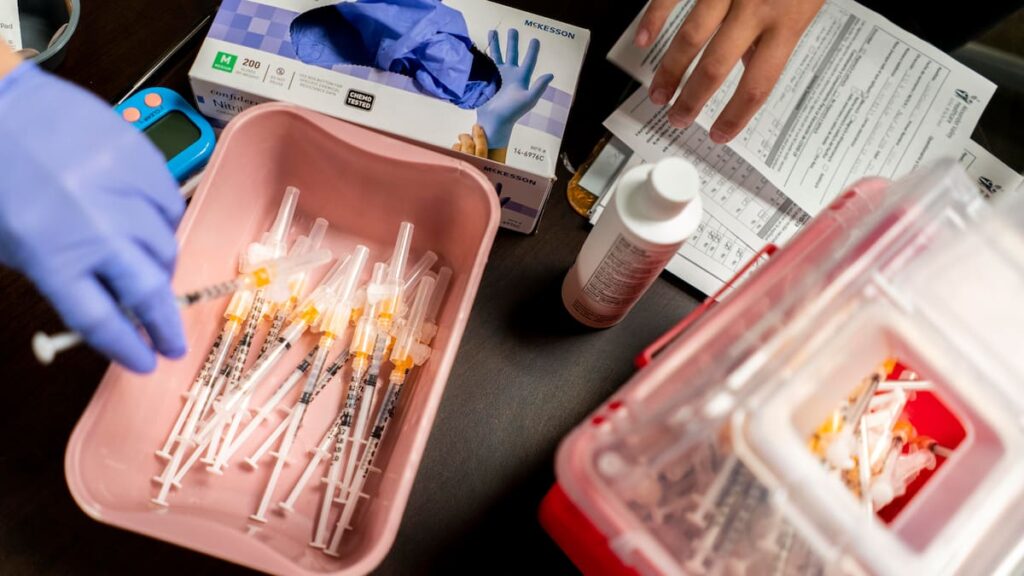
In a significant shift in vaccine regulation, the United States’ top vaccine regulator has announced a stricter approach to federal vaccine approvals. According to an internal email from the Food and Drug Administration (FDA), obtained by The Washington Post, the new guidelines are prompted by the agency's conclusion that coronavirus vaccines were linked to the deaths of at least 10 American children. However, specific evidence supporting this claim has not been detailed.
Vinay Prasad, an FDA official whose policies have garnered support from U.S. Health Secretary Robert F. Kennedy Jr., outlined this new framework in a communication to agency officials. Prasad indicated that the FDA will reevaluate its protocol for annual flu shots and consider whether Americans should receive multiple vaccines simultaneously. Moreover, he emphasized the need for vaccine manufacturers to provide substantial data to demonstrate both the safety and efficacy of their products. For instance, he stated that pneumonia vaccine developers must prove their vaccines effectively reduce pneumonia occurrences in the market, rather than merely generating antibodies to combat infections.
This change signals a comprehensive overhaul of the FDA's long-standing process for approving vaccines. Current and former agency staff, as well as outside public health experts, have expressed concerns that these new regulations could significantly slow down the vaccine approval process. They warn that the stringent requirements might deter the development of novel vaccines, as pharmaceutical companies will now need to conduct extensive studies for most new approvals, including those for expanding the vaccine's target population.
Prasad's email also laid out more stringent criteria for authorizing vaccines intended for pregnant women. He emphasized his openness to "vigorous discussions and debate" regarding these changes, even stating that staff who disagree with the core principles of his new approach should consider resigning. This indicates a potentially contentious atmosphere within the agency as it embarks on this new regulatory path.
The implications of these proposed changes could reverberate across the healthcare landscape, especially as the U.S. continues to grapple with vaccine hesitancy and public trust. While the intention behind Prasad's proposals appears to be enhancing safety and efficacy in vaccines, the reality of increased scrutiny could result in a chilling effect on vaccine innovation and availability.
As the FDA moves forward with these stricter guidelines, it highlights an ongoing debate about vaccine safety versus the urgency of rapid vaccine development, a conversation that has gained particular prominence in light of the COVID-19 pandemic. The stakes are high; any shift in vaccine policy not only affects pharmaceutical companies and healthcare providers but also has profound implications for public health in America.
The FDA's evolving stance is bound to stir discussion among stakeholders, from families concerned about vaccine safety to public health advocates emphasizing the necessity of vaccines in preventing disease outbreaks. How this new regulatory framework will play out remains to be seen, but it is clear that the landscape of vaccine approval in the United States is on the brink of substantial transformation.
Smartphone Makers ABANDON Ultra-Thin Designs After iPhone Air Fiasco—What’s Next?

You Won't Believe What Happened in the Magic's First 20 Games – Shocking Stats Inside!

Real Estate Agent Lured to 'Dream Home'—What Happened Next Will Shock You!
You Won't Believe What Legal Nightmares Await Trump After His White House Comeback! Discover the Shocking Details!

Swiss Voters Shockingly Reject 50% Tax on Massive Donations—Are the Rich About to Flee?

Transportation Secretary Sean Duffy Unleashes Shocking Truth About 'Fattening' Airport Snacks – Are You Eating This?
You might also like: