
FDA's 'Healthy' Label Tricks Shoppers: Are You Overpaying for Snacks by 30%? Find Out NOW!

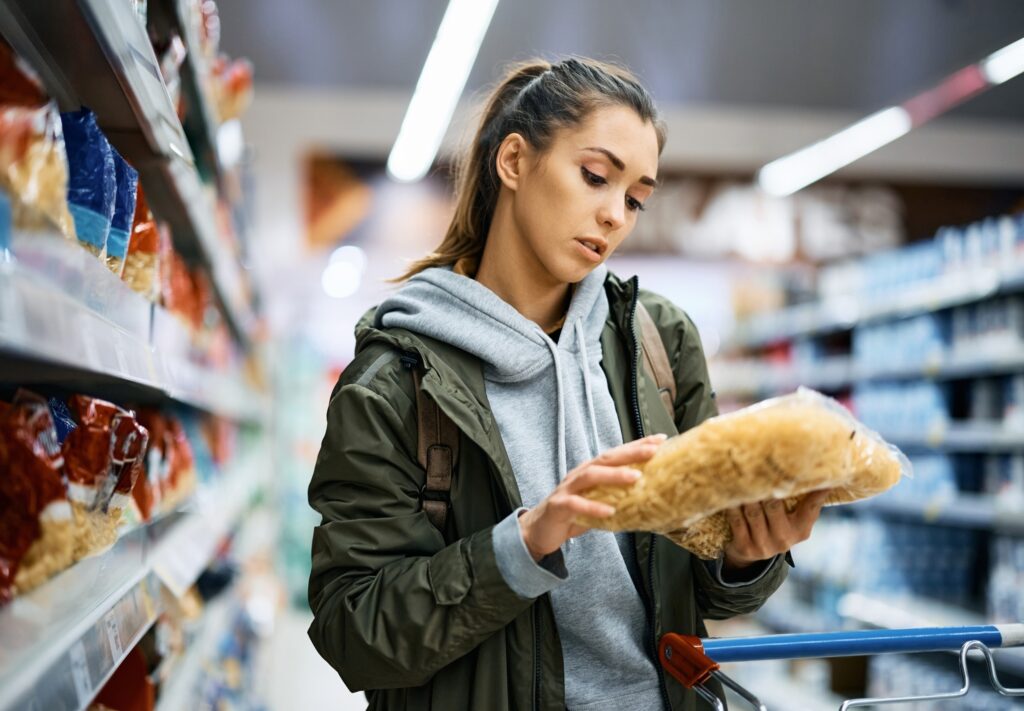
In an age where consumers are increasingly conscious of their health, a clear “healthy” label on snack packaging can significantly influence shopping behavior. New research from Oregon State University and Tufts University reveals that such labels not only guide shoppers toward better choices but also make them willing to pay more—especially when endorsed by a trusted government agency like the FDA.
The study focused on the FDA’s updated definition of “healthy,” established in 2024, which aims to align food labeling with current nutritional science and dietary guidelines. This new definition comes after the previous one had been in place since 1992, reflecting a much-needed modernization in an era rife with confusing health claims.
Researchers were curious to see how these updated labels actually affected consumer choices. Lead author Katherine Fuller, an assistant professor at Oregon State, emphasized that “trust in government was an important part for people and that they were willing to pay more for that label.” This suggests that shoppers respond not just to the term “healthy” itself but also to the credibility of the entity backing the claim.
In 2023, the research team conducted an experiment involving 267 shoppers across six grocery stores in the Boston area. Participants were shown images of 15 real snack products—nine meeting the new FDA standard for healthy foods and six not meeting it. Initially, shoppers viewed the products without any labeling. When they were shown the same products again, this time labeled as healthy with either a generic tag or an FDA-specific label, the results were telling.
Participants were given $5 in cash and a $10 store gift card, allowing their choices to hold actual financial consequences. This setup provided a more realistic way to observe behavior compared to simply asking shoppers what they might do.
The findings revealed that while shoppers displayed a slight preference for healthier snacks overall, the introduction of healthy labels significantly enhanced this tendency. Both the generic label and the FDA-specific label led to increased selections of healthier products; however, only the FDA label had a statistically significant impact. This indicates that not all labels are created equal—an official endorsement seems to resonate more strongly with consumers.
Moreover, shoppers expressed a willingness to pay more for healthier foods, on average 59 cents extra for products sporting the FDA-endorsed label. While this may seem minimal on a per-item basis, it accumulates into a substantial financial incentive for food companies to consider their labeling strategies seriously.
Trust emerged as a pivotal theme in the study. Participants completed surveys assessing their demographics, knowledge about healthy foods, and levels of trust in various institutions. The results indicated that the FDA label was more effective among consumers who expressed higher levels of trust in the government. Senior author Sean Cash, an economist at Tufts, highlighted that “labels act as signals for consumers, and policy can shape how well those signals work.” When these labels are perceived as credible, especially with government backing, they can significantly influence purchasing patterns.
The importance of such research is underscored by ongoing consumer confusion regarding nutrition. As misinformation about healthy eating proliferates, clear and credible labeling can serve as a beacon of guidance. Fuller noted, “Right now, there is a lot of misinformation about what is healthy and what isn’t healthy. Having a clear label, supported by scientific research, saying this is healthy because we checked, is important.”
In a marketplace saturated with conflicting advice and vague packaging claims, the findings of this study highlight the potential for clear labeling to help consumers navigate their choices more effectively. As shoppers stand before shelves brimming with options, a straightforward signal that denotes healthiness could make all the difference in their purchasing decisions. The study’s results reinforce the notion that when it comes to consumer trust and choice, clarity and credibility are paramount.
The full findings are published in the journal Food Quality and Preference.
You Won't Believe How Honor's New Factory in Egypt Will Change the Smartphone Game Forever!

Fitness Coach Charged by STJD: What Shocking Secrets About Palmeiras Will Be Exposed Friday?

Why You Should NEVER Upgrade That Old Phone: Shocking Secrets Inside!

Is Pete Hegseth Really Defending Our Warriors from Mandatory Flu Shots? Shocking Truth Revealed!

Is Iran's Bold Move to Seize Ships in the Strait of Hormuz a Prelude to War? Shocking Consequences Await!

Oura Health's Shocking Patent Battle: Will Your Favorite Fitness Tech Be Affected?
You might also like: