
Family Sues LAPD After Shocking 2024 Shooting During Mental Health Crisis – What Really Happened?

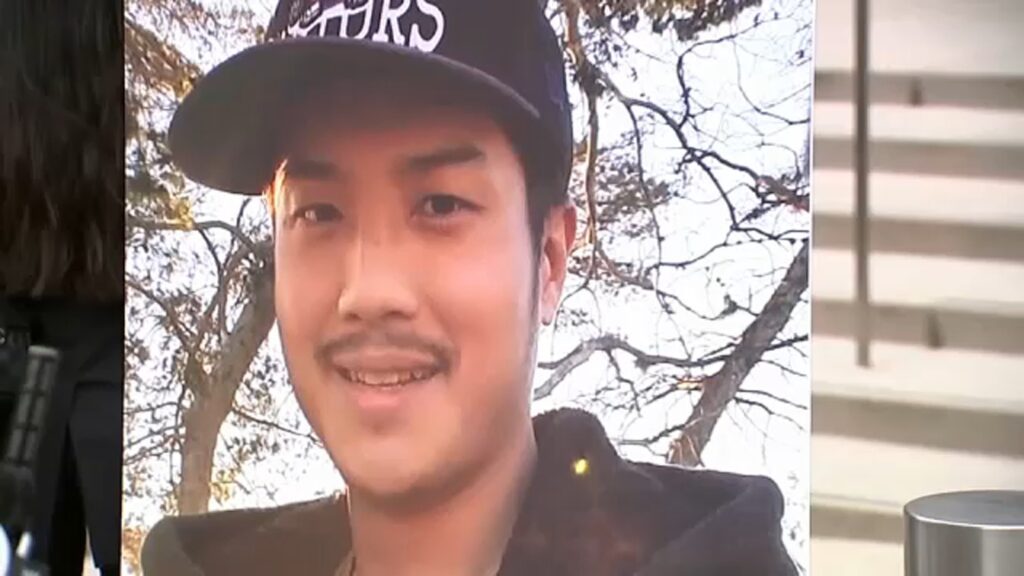
The family of Yong Yang, a 40-year-old man shot and killed by Los Angeles police, has filed a federal civil rights lawsuit, reigniting discussions about police conduct during mental health crises. The tragic incident occurred on May 2, 2024, when officers were called to the Yang family home after a clinician from the Los Angeles County Department of Mental Health (DMH) reached out for assistance due to Yang's severe bipolar episode.
On Saturday, the Yang family gathered outside the federal courthouse in downtown Los Angeles to announce the lawsuit and honor Yong's memory, marking the second anniversary of his death. They argue that the police response was excessive, asserting that less-than-lethal options could have been employed to de-escalate the situation rather than resorting to deadly force.
According to the family, LAPD officers forced their way into the home and shot Yang three times, despite the fact that he was in a vulnerable state. The police maintain that Yang was armed with a large kitchen knife when they arrived, which led to their perceived need to use lethal force.
The lawsuit raises critical questions about how law enforcement handles mental health emergencies. Yang's family contends that the City of Los Angeles has a troubling policy of forcing entry into homes during mental health crises and that the LAPD lacks adequate training on de-escalation techniques. Dale K. Galipo, the family's attorney, highlighted these issues in a press release, stating, "The lawsuit aims to address these allegations, highlighting the critical need for reform in how law enforcement officials interact with vulnerable individuals, and to spur change in this area."
The Los Angeles Police Commission, in a vote last year, acknowledged that Officer Andres Lopez acted improperly leading up to the shooting, yet they ultimately concluded that he reasonably believed his life was in danger when he opened fire. This mixed finding underscores the complexities involved in police interactions during mental health crises.
Yin Yang, Yong's twin brother, expressed the family's frustration with the ongoing legal battle and the perceived lack of accountability for the officers involved. "He needed you to escort him to the hospital. Not kill him inside his own parents' house," Yin said during the gathering. "You guys think like two years is going to make us forget. But look at all these people. We haven't forgotten. We're never going to forget. You can drag it out as long as you want, but we're not going to stop until there's justice."
The vigil held by Yang's family on Saturday drew support from other families who have experienced similar tragedies, highlighting a broader issue of how police engage with individuals in crisis. This situation reflects a growing recognition that mental health emergencies require a different approach than traditional law enforcement tactics.
As this case progresses through the courts, it may serve as a critical test for the effectiveness of current police practices regarding mental health crises in Los Angeles and beyond. The outcome could potentially influence policy changes aimed at improving the safety and well-being of individuals experiencing mental health issues during police interactions.
Turkish Investors Are Secretly Flooding Greek Real Estate—What’s Their Shocking Strategy?

Why This Church’s Shocking Stance on Vaccination Sparked a Measles Outbreak Affecting 300+ Families!

Sprouts Farmers Market Stock Surged 25% This Week—What Investors Are Fearing Now!

You Won't Believe What Happened at UW Health's Celebration of Life—Shocking Stories from Survivors!

Is Hyperliquid Cryptocurrency Set to Skyrocket 500% This Year? Find Out Before It’s Too Late!

Are Your Cravings a Warning Sign? Top Nutritionist Reveals 5 Shocking Health Signals You Can't Ignore!
You might also like: