
Elon Musk's Shocking Attack on Spain's 'Tyrant' Sánchez: Is Your Child's Social Media Freedom at Risk?

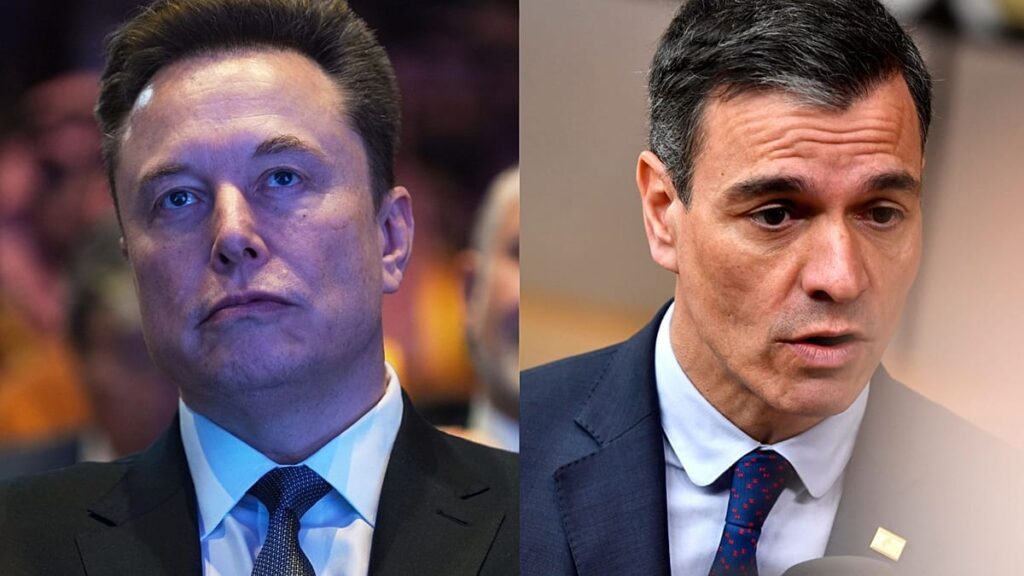
In a recent clash that highlights the tension between tech giants and government regulation, tech billionaire and owner of X, Elon Musk, took to social media to criticize Spanish Prime Minister Pedro Sánchez. Musk labeled Sánchez a "tyrant and traitor to the people of Spain," a fierce rebuke that came in response to Madrid's plans for new regulations aimed at the digital landscape, particularly focusing on the protection of minors and accountability for social media executives.
The legislative package, announced by Sánchez, aims to enforce stricter regulations on digital platforms, including a ban on users under 16 from accessing social media. The Prime Minister expressed significant concern over the rise of hateful speech and incendiary content proliferating across digital platforms, which he described as emblematic of a "failed state" of social networks, where laws are often ignored and harmful behavior is tolerated.
In an effort to combat these issues, the proposed laws would require social media companies to implement effective age verification tools that go beyond simple checkboxes that can be easily bypassed. This legislative move is a part of a broader effort by European nations to impose stricter rules on tech companies, particularly focusing on user safety and accountability.
Musk's reaction was particularly scathing, as he referred to Sánchez derogatorily as “Dirty Sánchez” and included an emoji of excrement in his tweet. This remark underscores Musk's history of critiquing Sánchez not only for his digital policy proposals but also for his immigration policies, showcasing a long-standing friction between the tech entrepreneur and the Spanish government.
One of the most controversial aspects of the upcoming legislation is a proposed mechanism that would hold social media platform executives and owners legally accountable if they fail to remove hateful or illegal content from their platforms. This change would directly impact Musk and other tech leaders by shifting the burden of responsibility onto them in a manner that many argue could lead to significant legal challenges.
This confrontation is occurring amidst a climate of increased scrutiny of tech giants in Europe. Just this past Tuesday, French authorities executed a search of X's offices in Paris, part of an investigation into potential algorithm manipulation and foreign interference that has drawn Musk's attention. The company responded to the raid, expressing disappointment but also asserting that the allegations behind it are "baseless." In a statement, X claimed it categorically denies any wrongdoing, arguing that the investigation distorts French law and threatens free speech.
As governments across Europe continue to push for more rigorous oversight of social media, the implications of these regulatory efforts are vast. Critics argue that such measures could stifle innovation and lead to unintended consequences for free expression, while supporters assert that they are necessary to protect vulnerable populations from the dangers of unchecked online behavior.
The situation highlights a growing divide between technology leaders and government officials concerning how best to navigate the complexities of digital communication in the modern age. As the debate unfolds, it raises questions about the balance between regulation and innovation, user safety, and the responsibilities of those who create and manage digital platforms.
As this story develops, the stakes for both Musk and Sánchez are high, with potential ramifications that could reshape the digital landscape in Spain and beyond. The ongoing discourse around regulation, accountability, and user protection is not only relevant to tech companies but also to everyday users who engage with these platforms, making it a critical issue for society at large.
Gen Z Reveals Shocking Truth: Why 70% Want to Pay Doctors with Their Phones! Are You Ready?

St. John’s Shocking Turnaround: How They Snatched Victory from DePaul in a Nail-Biter Finish!

Boston Celtics Players SHOCKED by Anfernee Simons Trade! What They’re Saying Will Leave You Speechless!

You Won’t Believe How CoSchedule Just Revolutionized Social Media—Find Out What You’re Missing!

Is Bitcoin's Biggest Enemy Hidden in Plain Sight? Novogratz Reveals Shocking Truth!

Are You Ignoring These 5 Super Bowl Health Secrets? Discover the Shocking Truth Before It’s Too Late!
You might also like: