
Elon Musk's Secret Starlink Phone: Is This Revolutionary Tech About to Change Everything?

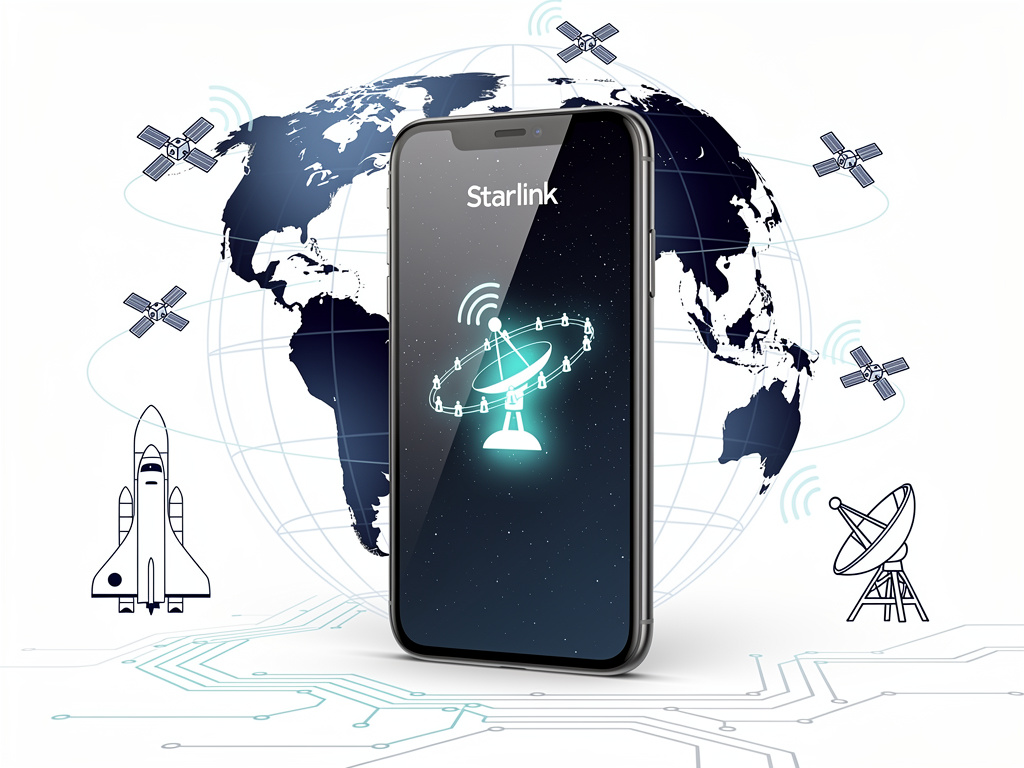
As the telecommunications landscape continues to evolve, all eyes are on SpaceX and its ambitious Starlink satellite constellation. Once primarily a broadband internet service, Starlink is now making strides toward a more revolutionary concept: a direct-to-cell platform capable of sidestepping traditional telecom carriers. Recent developments, including trademark filings and job postings, have sparked speculation that SpaceX may even be contemplating the creation of its own smartphone. This revelation has gained traction amid CEO Elon Musk's efforts to distance himself from the idea.
The buzz around a potential Starlink phone intensified when observers discovered a trademark application filed by SpaceX for the term "Starlink" under a category explicitly related to mobile phones and smartphone devices. Concurrently, job listings on the company’s careers page sought engineers with expertise in mobile handset design, cellular modem integration, and consumer electronics hardware. These positions diverge significantly from the company's established focus on rocket launches and satellite management, raising questions about the direction SpaceX might be heading. As reported by Digital Trends, this evidence marks the most concrete indication yet that SpaceX is at least exploring the viability of a Starlink-branded smartphone.
The Discrepancy Between Musk's Statements and Company Movements
What adds intrigue to this narrative is the clear discord between the documentary evidence and Musk's public comments. When questioned about the potential for a Starlink phone, Musk took to X (formerly Twitter) to quell the rumors, asserting that there is "no plan" for such a device. This aligns with his previous stance that Starlink’s direct-to-cell service is intended to work with existing smartphones from companies like Apple, Samsung, and Google, rather than to replace them. Musk's announcement of Starlink’s partnership with T-Mobile in 2022 emphasized that consumers would not require any special hardware to connect to the satellites overhead.
However, trademark filings are not casual endeavors; they necessitate legal resources, strategic planning, and a forward-thinking approach. Companies typically do not file trademarks in categories they are not prepared to enter. The classification under which SpaceX filed, specifically for mobile phones and portable communication devices, leaves little room for misinterpretation. Even if SpaceX never launches a phone, the filing suggests that internal teams have at least studied the potential market for such a product. In corporate strategy, actions often speak louder than words, and these filings carry substantial weight.
To grasp why a Starlink phone could be significant, one must first understand the radical transformation SpaceX has already initiated in satellite communications. Starlink’s direct-to-cell technology, which began beta testing in early 2024 alongside T-Mobile, allows standard LTE-enabled smartphones to connect directly with specially equipped Starlink satellites orbiting in low Earth space. Initially, the service supported only text messaging, but capabilities have rapidly expanded to include voice calls and data connectivity. The Federal Communications Commission granted SpaceX supplemental coverage from space (SCS) authority, allowing the company to address cellular dead zones in the U.S.—including remote areas, national parks, disaster zones, and rural communities where traditional towers fall short.
The partnership with T-Mobile is a strategic success, enabling SpaceX to utilize an existing carrier's spectrum and subscriber base while avoiding the regulatory complexities of becoming a full-fledged mobile network operator. However, this arrangement also means that SpaceX relies on carriers for direct-to-cell revenue. A Starlink phone could radically shift this dynamic, giving SpaceX a vertically integrated service model encompassing satellite constellation, ground infrastructure, and consumer hardware. This would enable the company to capture value at every tier of the telecommunications industry.
The potential market for a Starlink phone is considerable, particularly in regions where reliable cellular infrastructure is lacking. There are billions of people worldwide who would benefit from a device that connects directly to a satellite network without depending on local cell towers. Areas in sub-Saharan Africa, Southeast Asia, and rural regions globally could see transformative benefits from a Starlink phone. SpaceX has already proven its capability to manufacture hardware at scale, producing thousands of Starlink dishes weekly at its facility in Austin, Texas. Adapting this manufacturing expertise to a smartphone—especially a rugged, satellite-first device—could tap into an enormous market that major players like Apple and Samsung have largely overlooked.
Musk’s denials about the potential for a Starlink phone merit careful examination. He has a history of downplaying projects in their early exploratory phases only to unveil them later. For example, he initially dismissed plans for a Tesla pickup truck before launching the Cybertruck. Additionally, announcing a Starlink phone could strain SpaceX's relationships with carriers like T-Mobile, potentially jeopardizing ongoing negotiations. It makes sense for Musk to publicly deny phone plans while the company explores the technology internally, waiting for a more opportune moment.
Creating a smartphone is a complex endeavor, even for a company as innovative as SpaceX. The mobile phone industry is populated by seasoned players with extensive experience in supply chain management, software ecosystems, and carrier certification processes. The failures of Amazon’s Fire Phone and similar ventures serve as cautionary tales. A Starlink phone would need to run a compatible operating system like Android and pass rigorous certifications from carriers and regulatory bodies globally.
Nonetheless, SpaceX possesses several advantages that could mitigate these challenges. The company controls its network infrastructure—its satellites—granting it vertical integration levels no other phone manufacturer enjoys. Additionally, with over 4 million subscribers already utilizing Starlink services, SpaceX has a built-in customer base that trusts the brand. Furthermore, SpaceX has shown an extraordinary ability to innovate quickly and reduce hardware costs, evidenced by the drastic evolution of the Starlink dish from a $3,000 unit to a much more affordable model.
As we look ahead, the telecommunications industry must pay close attention. While definitive plans for a Starlink phone remain speculative, the convergence of trademark filings, targeted hiring, and strategic logic signals that SpaceX is seriously exploring this path. The next few months could provide further clarity. If SpaceX continues to hire mobile hardware engineers or if new trademark filings surface in international markets, the picture will likely come into sharper focus. For now, the telecommunications landscape finds itself in an unusual position—monitoring a rocket company that has already disrupted satellite broadband and is now poised to potentially redefine mobile connectivity.
Spain's Shocking New Law Targets Tech Giants: Are Your Social Media Habits in Danger?

You Won’t Believe How Two Ex-Wagner Coaches Could Change the Super Bowl Outcome!

Shocking Shift: IOC Considers EARLIER Winter Olympics—What Does This Mean for Athletes?

Bitcoin's Plunge: Have You Lost $10,000 Overnight? Discover the Shocking Truth Behind the Crypto Chaos!

Discover the Shocking Truth: Why 90% of Visitors to Folly Beach Never Leave!

Legendary Country-Rock Icon Behind a Timeless Hit Dies at 67—What This Means for Music Lovers!
You might also like: