“Easter Shock: Activists Demand Potatoes Over Eggs! What’s Behind This Controversial Move?”

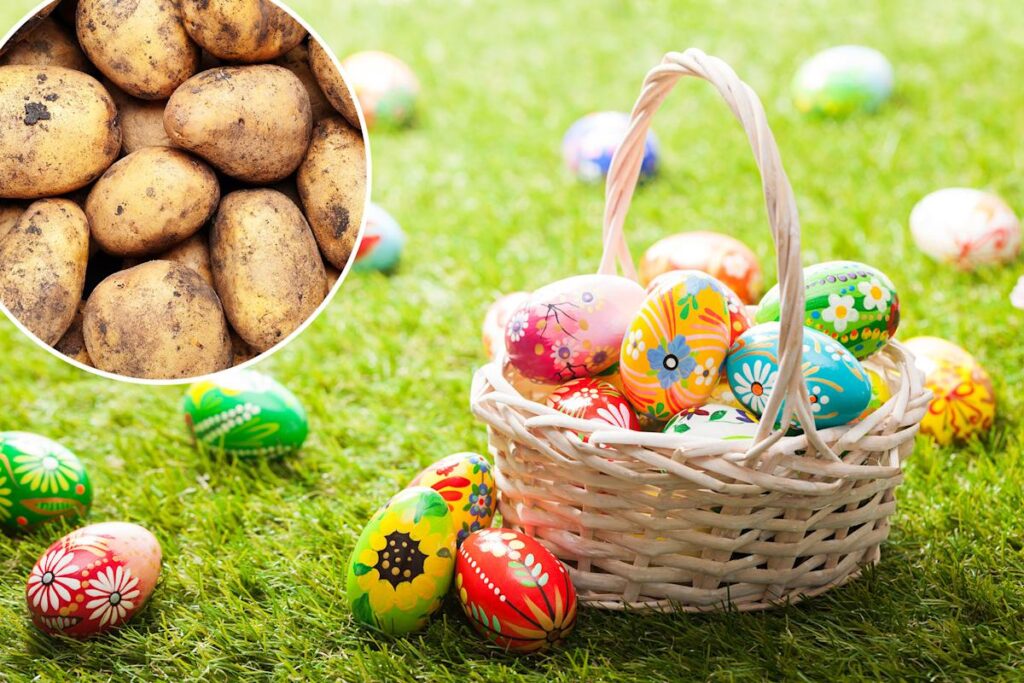
As Easter approaches, a curious suggestion from animal rights activists is making waves across the United States and the United Kingdom. Advocates are urging officials to replace traditional Easter eggs with decorated potatoes during annual egg-rolling events, positioning the move as a benefit to both animal welfare and consumers' wallets.
Organizations like People for the Ethical Treatment of Animals (PETA) are at the forefront of this campaign, arguing that swapping eggs for potatoes could alleviate some of the burdens faced by hens in industrial farming. In light of recent avian flu outbreaks that have caused egg prices to skyrocket, PETA's proposal comes at a time when many Americans are feeling the pinch in their grocery bills. “Egg prices are through the roof, chickens are paying the price, and Americans are shell-shocked,” stated Ingrid Newkirk, PETA's founder, in a letter that pitched the idea to First Lady Melania Trump.
PETA's vision for the annual White House Easter Egg Roll, which has been a tradition since 1878, includes a rebranding to a “Make America Great Easter Potato Roll.” This lighthearted, yet pointed campaign suggests incorporating dyed potatoes, sack races, and even “hot potato” games into the festivities. In exchange for the First Lady’s cooperation, Newkirk even offered a dress made from vintage Idaho potato sacks, inspired by Marilyn Monroe’s iconic 1951 frock.
The need for a sustainable alternative to eggs has been echoed not just in the U.S. but also across the Atlantic. PETA's UK division has made similar appeals regarding British egg-rolling traditions. In a separate letter, Elisa Allen, PETA’s vice president of programs in the UK, argued that such a change would serve multiple purposes: reducing animal suffering, teaching children empathy, helping the planet, and supporting local potato farmers. “Easter is far from a time of renewal of joy for [chickens],” she wrote, highlighting the complexities of raising hens in a commercial environment.
PETA’s initiative taps into broader conversations about the treatment of animals in agriculture and reflects changing consumer attitudes toward food sourcing. Potatoes, as a durable and versatile option, could offer families a chance to participate in the same festive activities without the risk of breaking eggs—an appealing prospect for parents managing energetic children racing their “eggs” down hills.
“Potatoes are an icon in their own right,” Newkirk noted, emphasizing that the proposed overhaul could modernize the traditional celebration while keeping its spirit intact. The idea that Easter fun need not come at the expense of animal welfare is a sentiment that could resonate with many families, especially as they navigate rising costs and ethical considerations in their food choices.
Nonetheless, the annual White House Easter Egg Roll remains firmly on the schedule for April 6, 2026, despite PETA's playful yet serious push for change. As the conversation around food sustainability and animal rights continues to grow, events like these may evolve to reflect shifting societal values. Whether or not potatoes will roll into the hearts of families this Easter season remains to be seen, but the dialogue surrounding ethical choices is undoubtedly gaining traction.
Is Your Browser Putting You at Risk? Discover the Shocking Truth Before It’s Too Late!
I Tried Eating Hummus Every Day for a Month—The Shocking Truth About My Body Will Leave You Speechless!

Meta & Google Found Guilty! What This Shocking Ruling Means for Your Social Media Use!

You Won't Believe What Happened at This Year’s Critter Crawl Fundraiser – Shocking Revelations Inside!

Amazon's Shocking Move Against Musk: Can Spacex Survive This Game-Changing Decision?

The Shocking Truth: Why Your New AI Startup Could Fail Overnight—Are You Prepared?
You might also like: