Discover Why Newcastle’s Shocking $1 Billion Transformation Is Set to Make It Australia’s Hottest Travel Spot!

Newcastle, New South Wales, is on the brink of transformation from an industrial powerhouse to a vibrant cultural and lifestyle destination, making it a compelling option for travelers seeking new experiences. A significant milestone in this transformation is the reopening of the Newcastle Art Gallery after a $48 million, four-year redevelopment, which has effectively doubled its exhibition space and restored its original 1977 Brutalist structure while adding a contemporary extension. This revitalized gallery now boasts the ability to display a larger portion of its impressive collection of over 7,000 works. The reopening exhibition, titled “Iconic Loved Unexpected,” is set to showcase significant pieces from the permanent collection and solidify the gallery as a central cultural attraction in the region.
This redevelopment reflects broader economic and social changes occurring across Newcastle. The city, historically known for steel production, began its transition after the closure of the BHP Steelworks in 2000. This pivotal shift has led local government officials to focus on urban renewal, diversification, and enhancing tourism. Over the years, Newcastle has been promoted as a destination that combines rich heritage, coastal experiences, and contemporary urban lifestyle. While the industrial identity remains evident—most notably with the Port of Newcastle, the world's largest coal export facility—new sectors are emerging alongside it, offering a more diversified economic landscape.
As visitors explore Newcastle, they will encounter notable heritage landmarks that reflect the city's rich past. Fort Scratchley, a 19th-century military fortification, showcases exhibitions and guided tours through its underground tunnels, providing panoramic views of the city. Another significant historical feature is the former Customs House, built in the 1870s, now transformed into a hospitality venue. Such adaptive reuse projects align with local planning efforts to preserve heritage structures while accommodating contemporary needs.
Newcastle's coastline plays a crucial role in its modern tourism identity. The city's beaches, ocean baths, and walking trails are major attractions. The historic Newcastle Ocean Baths is a testament to the city’s enduring connection to coastal recreation, while newer establishments like the Merewether Surfhouse embody contemporary lifestyle trends by merging dining and fitness culture. The Bathers Way coastal trail, a six-kilometer route, encourages active tourism with distinctive features like the Newcastle Memorial Walk, which honors local military service while providing stunning views of the Pacific.
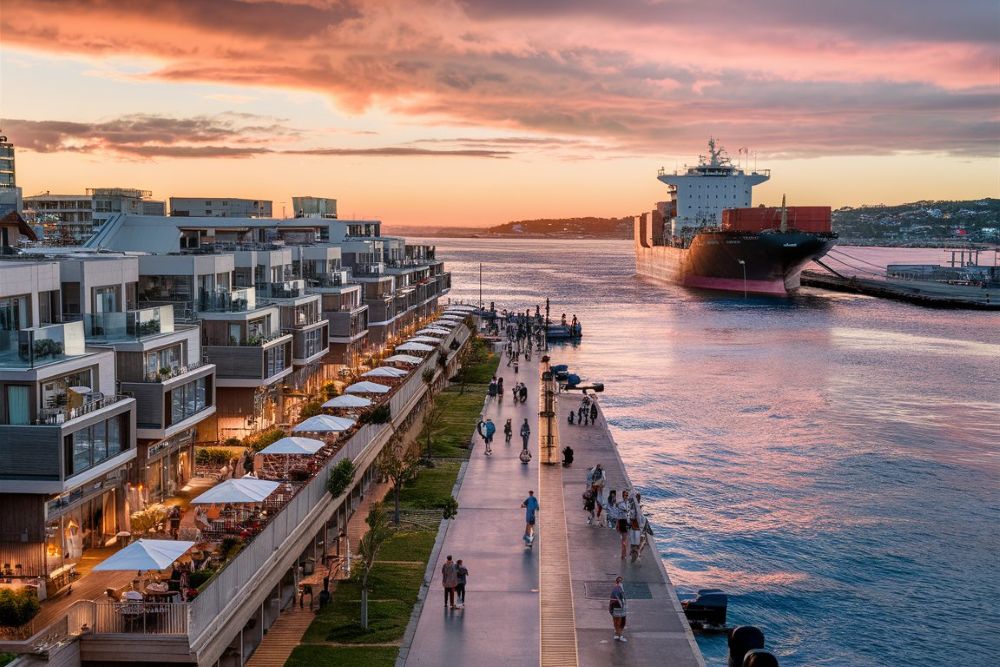
Perhaps the most visible sign of Newcastle’s ongoing transformation is the redevelopment of the Honeysuckle precinct. Previously dominated by rail yards and industrial facilities, this area has been revitalized into a mixed-use waterfront district. Official planning documents describe it as one of Australia’s largest urban renewal projects, emphasizing public promenades, landscaped parkland, and a burgeoning collection of restaurants, bars, and cafes. The relaxed atmosphere and focus on community space distinguish Honeysuckle from denser waterfront developments in larger metropolitan centers.
The growth of accommodation options in Newcastle reflects rising visitor demand. Prior to 2021, the city lacked five-star hotel options, but since then, three high-end properties have emerged, signaling confidence in the city’s tourism market. The Crystalbrook Kingsley was the first five-star hotel, created through the adaptive reuse of a former council administration building. The QT Newcastle followed, transforming a historic department store into a boutique property, while the recently opened Little National Hotel Newcastle offers compact luxury accommodations on the Honeysuckle waterfront. These developments are viewed as essential infrastructure to support major events and business travel, contributing to extended visitor stays.
The evolution of café culture and dining options throughout Newcastle’s neighborhoods highlights the city’s changing identity. Areas like Darby Street and the East End have become hubs for specialty coffee and contemporary cuisine, reflecting a broader transition from a blue-collar industrial town to a diverse urban community with a lifestyle focus. Local government and tourism agencies are promoting these precincts as part of Newcastle’s emerging cosmopolitan character.
The interplay between heritage and modernity is central to Newcastle's appeal. While the city embraces new cultural venues, luxury accommodations, and waterfront dining, it simultaneously honors its industrial roots, historic buildings, and established neighborhoods. This layered identity is increasingly emphasized in official branding efforts, which promote Newcastle as a destination where industrial heritage, coastal living, and contemporary culture intersect.
The reopening of the Newcastle Art Gallery is expected to enhance the city’s cultural profile amid increasing visitor numbers across regional New South Wales. With expanded exhibition capacity, the gallery will host major touring shows, community programs, and educational initiatives, reinforcing Newcastle’s position as a regional arts hub. For travelers, the gallery's relaunch presents a timely reason to visit, encapsulating the broader cultural transformation underway in Newcastle.
With its combination of easy access from Sydney, award-winning beaches, heritage attractions, a revitalized waterfront, a growing arts scene, and new premium accommodations, Newcastle is increasingly positioned as a desirable short-break destination. The city’s transformation suggests that its appeal will continue to grow, particularly for visitors seeking alternatives to larger urban centers without sacrificing quality experiences.
Newcastle’s journey from heavy industry to a diversified cultural and lifestyle economy is ongoing. The redevelopment of the art gallery symbolizes this change, demonstrating how investment in culture can spur urban regeneration. As the city preserves its heritage while embracing new infrastructure, it positions itself as one of Australia’s most dynamic regional destinations—a place where industrial history and contemporary creativity coexist seamlessly along a working harbor and oceanfront.
Unlock the Secret to Transforming Your Fitness Routine Like a Steelers Star – Don’t Miss This!

RAM Shortage Leads to Historic Smartphone Collapse: Are Your Devices Next? Shocking Facts Inside!
You Won't Believe What Happened When This Request Was Denied – The Shocking Consequences Revealed!

Tragic Death of 26-Year-Old LSU Star Devonta Lee Shocks College Football Community – What Happened?

Are We Just 10 Years Away from a Global Energy Crisis? Shocking Stats You Must See!

You Won't Believe Why Xponential Fitness Shares Just Plummeted 30%—Is Your Investment Safe?
You might also like: