
Discover the Shocking 3-Hour Cut-Off Before Bedtime That Could Ruin Your Sleep if You Love Chocolate!

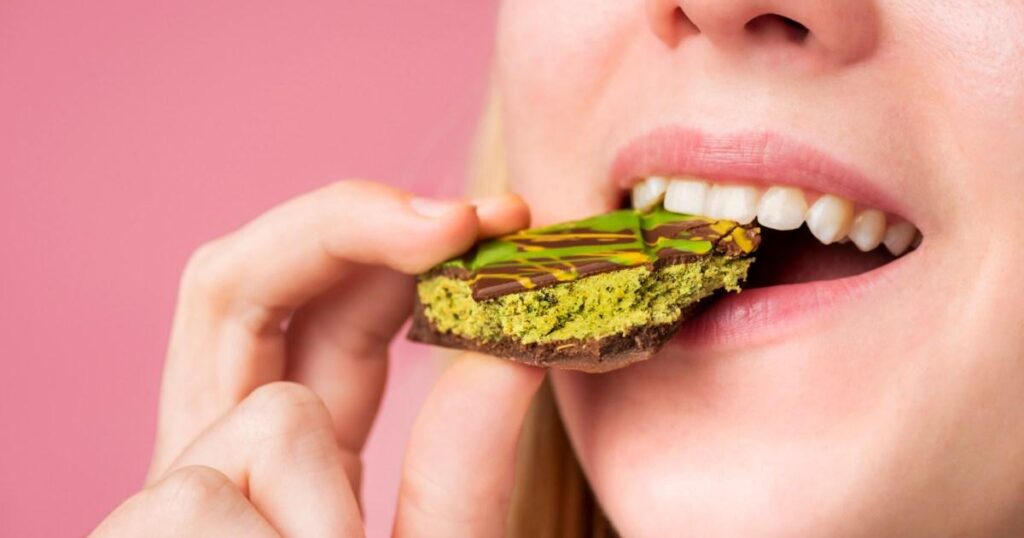
When it comes to achieving that elusive good night’s sleep, most of us are familiar with the basics: a dark room, no screen time before bed, and steering clear of caffeine and alcohol. However, many might overlook the impact that certain foods can have on our sleep quality—particularly chocolate.
According to Frances Ralph, a dietitian registered with HCPC who specializes in gut health, the ideal cut-off time for eating chocolate is surprisingly early: around 3 PM. If you want to indulge, it's best to do so earlier in the day. Consuming chocolate too late can disrupt your sleep, potentially spoiling your night.
Many people mistakenly believe that a small square of dark chocolate after dinner is a harmless treat packed with antioxidants. However, Ralph warns that dark chocolate can quietly sabotage your sleep. Not only does it contain caffeine, but it also has theobromine—an often-overlooked stimulant that can keep your heart rate elevated and your brain alert long after consumption. Just one ounce of dark chocolate (approximately 23g) can deliver caffeine levels comparable to a small cup of green tea, and the effects of theobromine can linger in your system for six to eight hours. This means that what you think of as a simple nighttime indulgence could keep your nervous system on high alert well into the night, disrupting your ability to fall asleep.
📰 Table of Contents
When Is the Best Time to Enjoy Chocolate?
If you can’t resist chocolate, Ralph suggests enjoying it earlier in the day—ideally before 3 PM—when your body can metabolize those stimulants more effectively without affecting your sleep cycle. This timing can also benefit those facing that mid-afternoon energy slump.
So, what can you snack on later in the day without jeopardizing your sleep? Ralph recommends alternatives that are more sleep-supportive, such as a banana with almond butter. This combination offers magnesium and tryptophan, nutrients that can help your body wind down. While the research on specific foods that promote sleep is limited, these options are believed to better support relaxation as bedtime approaches.
Other Sleep Disruptors to Watch Out For
Besides chocolate, there are other surprising foods that can disrupt your sleep. Ralph mentions that tomato-based sauces can trigger acid reflux, which can be uncomfortable and disturbing during the night. Additionally, aged cheese and cured meats are high in tyramine—a compound known to stimulate alertness—so they should be avoided close to bedtime.
Furthermore, meals high in protein, particularly large servings of steak or chicken, can also hinder your sleep. According to Rebekah Parr, a health and wellbeing physiologist with Nuffield Health, these protein-rich meals can take time to digest, requiring energy and potentially limiting the availability of tryptophan, essential for melatonin production—the hormone that promotes sleep. To avoid these issues, Parr advises that large meals should be consumed at least three hours before bed, with lighter evening snacks being the preferred option. A balanced plate including carbohydrates, lean proteins, and healthy fats—like salmon with vegetables and a small portion of sweet potato—is recommended for optimal sleep.
In summary, while chocolate may be a beloved treat, timing is everything when it comes to enjoying it without affecting your sleep. By being mindful of your food choices and their potential impact on your sleep cycle, you can improve your chances for a restorative night’s rest. So, the next time you reach for that late-night chocolate bar, remember: your sleep may depend on it.
Smartphone Sales Are Set to Skyrocket 1.5% in 2025—Is Your Brand Ready to Lose Out?

NFL Rookie on the Brink: Shocking Discipline Looms After Explosive Rams-Cardinals Showdown!

Stock Market Shock: Sensex Plummets 300+ Points! Are Your Investments Safe? Find Out Now!

9 Shocking Secrets Happy Seniors Wish They Knew Sooner—Are You Still Chasing These?

7 Shocking Frugal Hacks Boomers Swear By—You'll Regret Ignoring These!

What Happens When Climate Change Hits Your Hometown? You Won't Believe the Shocking Truth!
You might also like: