Democratic Governors EXCLUDED from Key White House Event—What Are They Hiding?

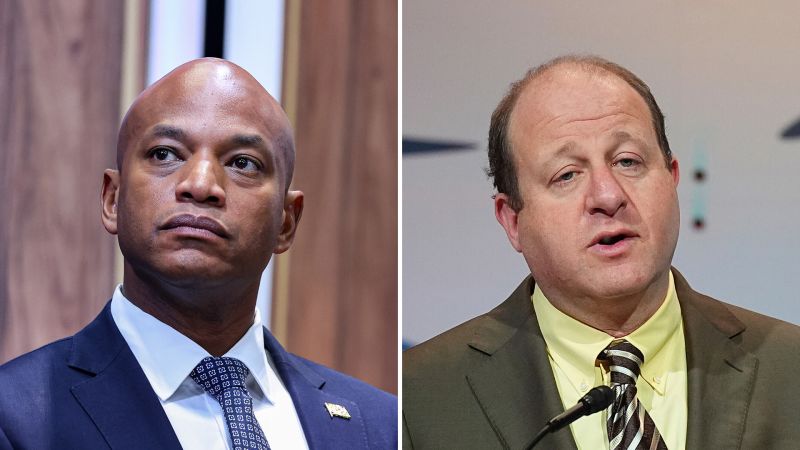
The annual gathering of the nation’s governors in Washington, D.C., a long-standing tradition that typically emphasizes bipartisan collaboration, is facing a significant shift this year. Traditionally, the event includes a working meeting at the White House and a black-tie dinner hosted by the president. However, this year, the guest list has been notably altered by President Donald Trump, who has excluded Democratic governors from the business meeting, including Wes Moore of Maryland and Jared Polis of Colorado.
Interim National Governors Association CEO Brandon Tatum expressed disappointment regarding this decision, stating, “We are disappointed in the administration’s decision to make it a partisan occasion this year.” He further emphasized that excluding individual governors undermines crucial opportunities for federal-state collaboration, which has historically been a focal point of these gatherings.
The decision to leave out Democratic leaders marks a departure from a tradition upheld by both Republican and Democratic presidents over the years. With governors like Moore and Polis disinvited from the elegant dinner, sources indicate that several governors are now reconsidering their attendance at the event.
Notably, while Moore and Polis have faced challenges and openly criticized Trump, other Democratic governors who have also had contentious interactions with the administration—such as Governor Gavin Newsom of California and Governor JB Pritzker of Illinois—were still invited. Pritzker, however, reportedly had no intentions of attending due to ongoing disputes with the Trump administration over immigration enforcement actions in his state.
Sources familiar with the situation indicated that Moore and Polis were not notified of their exclusion or provided with any reasons by the White House. After learning of the disinvitation, a spokesperson for Polis commented that it was a “disappointing decision,” adding, “Gov. Polis has always been willing to work with anyone across the political spectrum who wants to help work on the hardest problems facing Colorado and America, regardless of party or who occupies the White House.”
The annual winter meeting of governors occurs amid rising tensions between state leaders and their national association. Some states, including Illinois, have ceased paying dues to the National Governors Association (NGA) after the organization did not address concerns regarding the Trump administration's deployment of National Guard troops to the state without coordination with Pritzker.
Pritzker’s spokesperson articulated a broader concern, stating, “The protection of gubernatorial authority and state sovereignty must always be demanded, regardless of who is occupying the White House.” This sentiment underscores a growing frustration among governors about the perceived erosion of state authority in the face of federal decisions.
Despite these tensions, Tatum reiterated the NGA's commitment to serving all governors in their pursuit of solutions and leadership. He remarked, “Traditionally the White House has played a role in fostering these moments during NGA’s annual meeting. This year, they will not.” This comment reflects broader concerns regarding the cooperative spirit that has historically characterized interactions between state and federal leaders.
As the political landscape continues to shift, the implications of this year's governors' meeting extend beyond the immediate exclusion of certain leaders. It raises questions about the future of bipartisan collaboration at a time when state-federal relations are increasingly contentious. Governors, regardless of party affiliation, will need to navigate these challenges carefully as they seek to address critical issues facing their states and the nation as a whole.
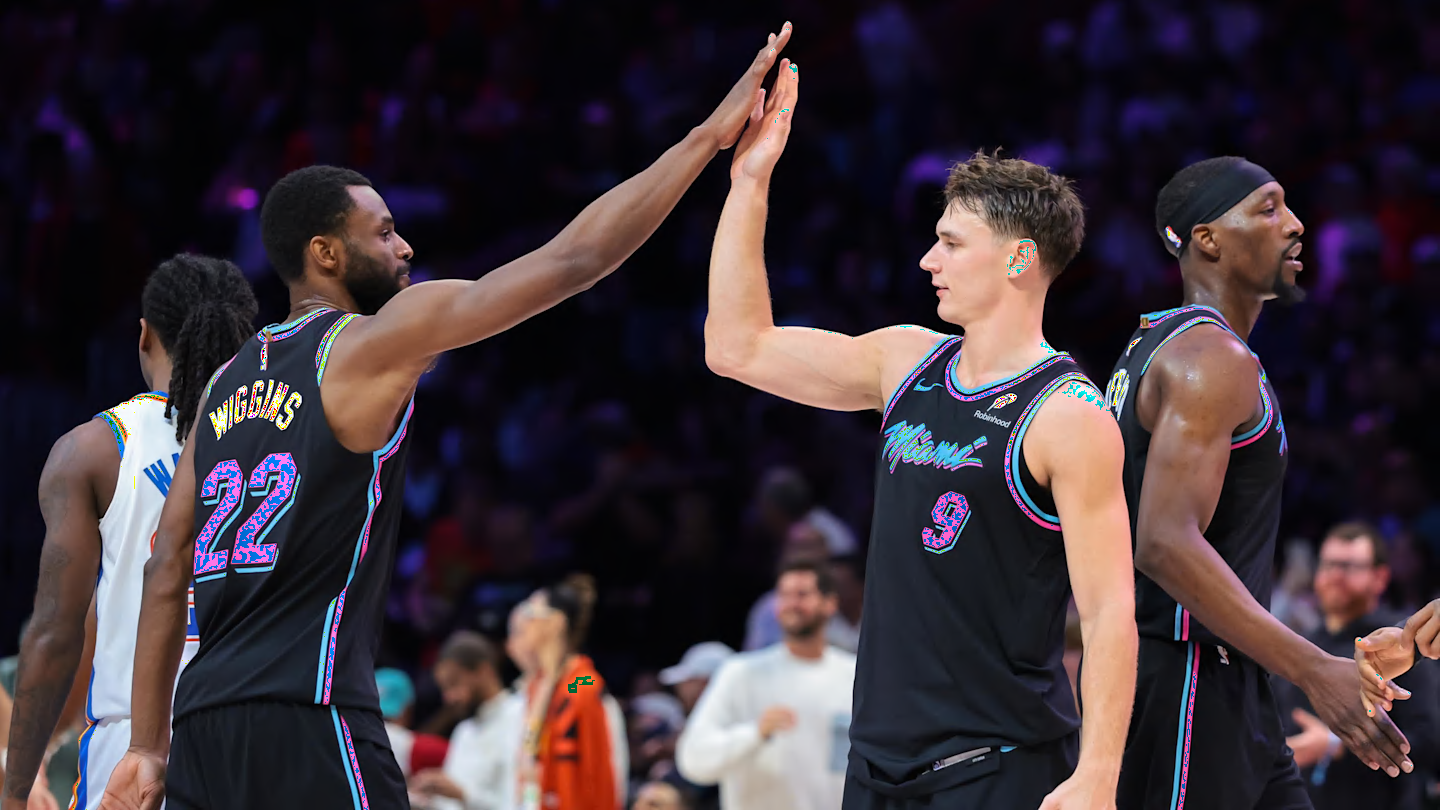
Miami Heat vs. Boston Celtics: Shocking Injury Update Reveals Star Player Could Miss Crucial Game!
This Local Health Center Just Hit 30 Years—Here’s What They’re Hiding That Could Change Your Fitness Forever!
AI Billionaire's Shocking March Against California's Wealth Tax—Will He End Up in Jail?

Is Your Favorite Chocolate About to Disappear? The Shocking Truth Behind Climate Change Prices!

Shah Unveils Shocking Tech Secrets to Tackle Border Crisis—Is India Prepared for the Impact?
$1 Trillion Tech Sell-Off: Is the AI Bubble About to Burst? What Investors MUST Know NOW!
You might also like: