
Deep-Sea Corals Could Disappear Sooner Than You Think—Are We Facing an Ecological Catastrophe?

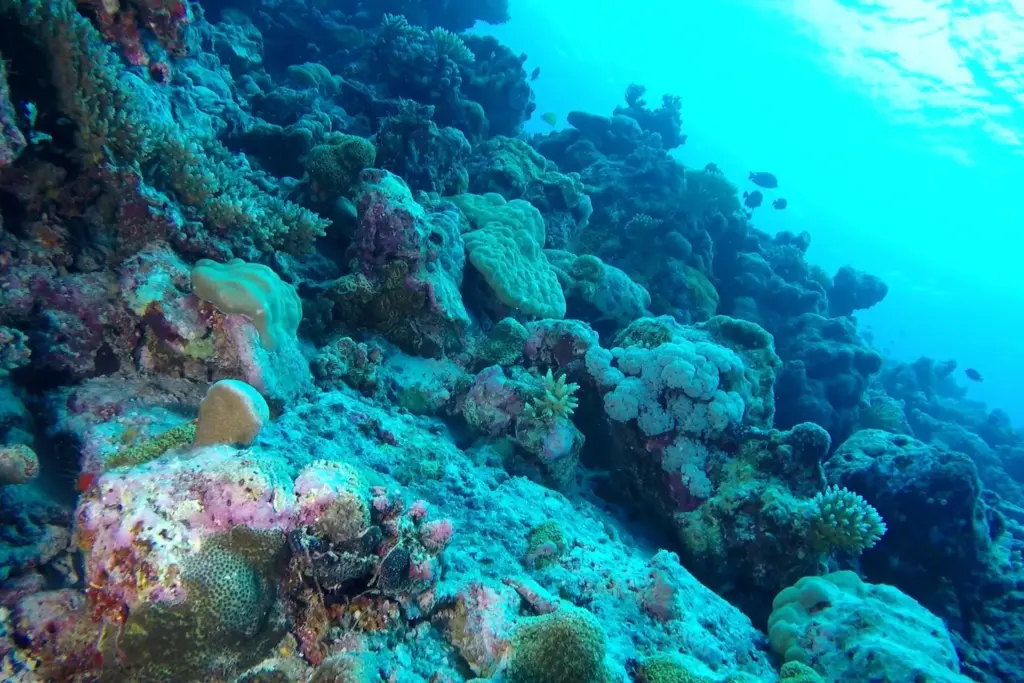
A significant five-year research initiative focused on the deep coral reef communities of the Indian Ocean is set to commence next month. This unprecedented analysis aims to enhance scientific understanding of the impact climate change may have on these lesser-studied ecosystems.
Deep, or mesophotic, coral reefs exist at depths ranging from 30 to 150 meters in tropical regions. Unlike their shallow-water counterparts, these deeper systems have remained largely unexplored, resulting in substantial gaps in our knowledge regarding their biodiversity, distribution, and vulnerability to climate change.
The project is spearheaded by experts in marine biology and oceanography from the University of Plymouth, with a core team that includes specialists in coral reef biodiversity from Imperial College London and numerical modeling experts from the Plymouth Marine Laboratory. This collaboration is supported by a substantial grant of £3.7 million from the Natural Environment Research Council, part of UK Research and Innovation.
Dr. Emma Ransome, an associate professor at Imperial College London, emphasized the need for this research, stating, “Coral reef research often focuses on a few charismatic groups of species, leaving the vast majority of coral reef biodiversity understudied.” She further noted, “We aim to understand the role deep reefs could play in the persistence of marine biodiversity under future climate scenarios and better protect that biodiversity for generations to come.”
As climate change increasingly threatens coral ecosystems globally, this project represents a critical step in addressing the urgent need for comprehensive data on deeper coral systems. Coral reefs are vital to marine health—they provide habitat for a myriad of marine species, protect coastal areas from erosion, and support local economies through tourism and fishing. However, their survival is at risk, with rising sea temperatures and ocean acidification posing existential threats.
This study could also inform conservation strategies, emphasizing the importance of protecting not just the well-known shallow reefs but also the deeper, less understood ones. Insights gleaned from the research could lead to more effective policies aimed at mitigating the impacts of climate change on these critical ecosystems.
By expanding the scope of coral reef research to include deep reefs, scientists hope to fill the gaps in knowledge and create a more comprehensive understanding of marine biodiversity. The findings from this project could play a pivotal role in shaping future conservation efforts and ensuring the resilience of coral ecosystems amidst a changing climate.
As the project unfolds, it will be essential for scientists, policymakers, and the public to stay informed about its developments. The outcomes not only stand to enhance our understanding of marine biodiversity but also highlight the broader implications of climate change on our oceans and the life they support.
Bitcoin OG Shocks the Market: Why a $63.6 Million Ethereum Bet Could Change Everything!

US Families on the Brink: Will Freezing Childcare Funding Leave 3 Million Kids in Crisis?

You Won't Believe Who Just Took Charge at Cyber AB—The Shocking Changes That Could Impact You!
Why Stock Futures Are Plummeting: Shocking Political Risks and Earnings Secrets Revealed!

You Won't Believe How Kalshi Lets You Bet on 50+ Soccer & Basketball Leagues—Are You Missing Out?

Is Roy Cooper the Secret Weapon for Democrats? Shocking Poll Results Inside!
You might also like: