Court's Surprising Vaccine Ruling: Are Babies Safer or is RFK's Influence Growing?

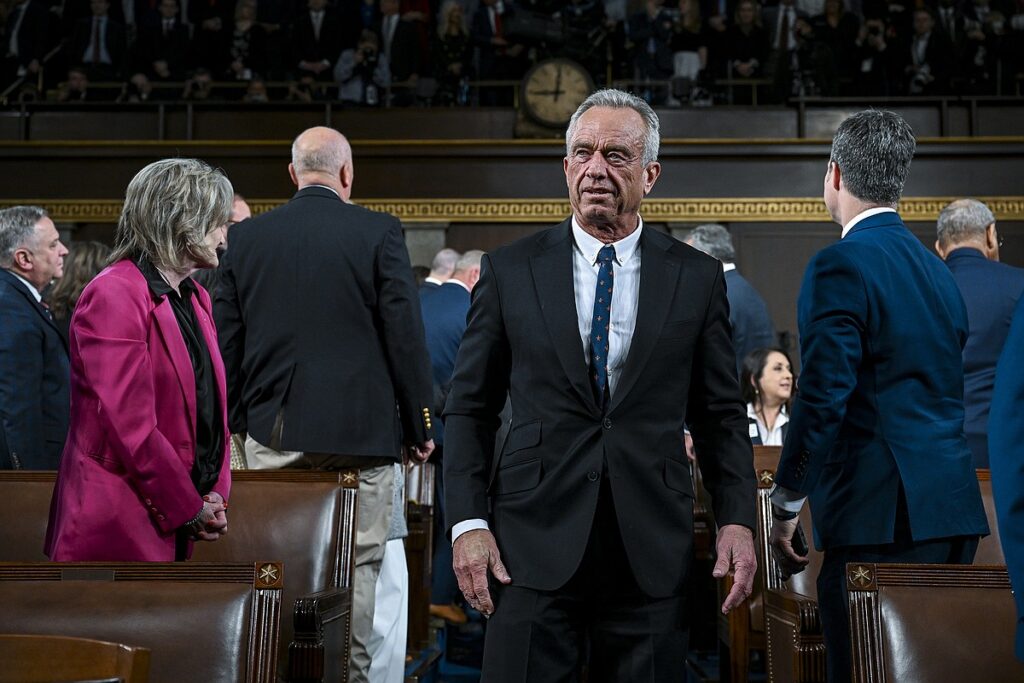
In a significant ruling last week, Boston federal Judge Brian Murphy intervened in a controversial public health debate, halting efforts by Health and Human Services Secretary Robert F. Kennedy Jr. to remove critical vaccinations from the recommended immunization schedule for infants. This decision reverses plans to drop vaccines for hepatitis A, hepatitis B, respiratory syncytial virus (RSV), dengue, and two strains of meningitis—vaccines crucial for protecting the youngest and most vulnerable members of society.
Moreover, Judge Murphy's ruling prevents the establishment of a new vaccine advisory panel handpicked by Kennedy. His proposed panel was criticized for potentially replacing established experts with ideologues who challenge the scientific consensus on vaccines. This move could have undermined the integrity of public health policy at a time when trust in vaccinations is already fragile.
While there are many topics in government that warrant nuanced discussions—such as the U.S. strategy in its ongoing conflicts or economic policies affecting tax rates—the necessity of vaccinating children against common yet deadly pathogens is not one of them. The medical community overwhelmingly agrees on the importance of immunizations, recognizing them as essential for both individual and public health.
Science thrives on debate, but in the realm of vaccines, there is striking consensus among health experts. The overwhelming body of evidence supports existing vaccination schedules, designed to prevent outbreaks of diseases that can have fatal consequences. Yet, some individuals, including Kennedy and his associates, attempt to introduce confusion by selectively interpreting data, echoing tactics used by the tobacco industry to downplay the risks of smoking and fossil fuel companies to dismiss climate change.
These efforts to cast doubt on established science not only appear misguided but can have dire consequences. For instance, measles, a disease once eradicated in the U.S., has seen a resurgence, with around 1,300 reported cases following an outbreak last year. This alarming increase underscores the potential fallout from vaccine skepticism, which has been exacerbated by Kennedy's long-standing anti-vaccine crusade.
Judge Murphy's ruling is a much-needed win for public health advocates, but it doesn't erase the ongoing damage caused by Kennedy's leadership. His influence is felt in the stalled development of vital vaccines and the rejection of already developed immunizations. Furthermore, patients may soon find it harder to secure insurance coverage for vaccinations that the Centers for Disease Control and Prevention (CDC) no longer recommends, thanks to Kennedy's policy shifts.
Vaccination is often hailed as one of humanity's greatest technological achievements, making it all the more perplexing that a high-ranking government official could turn away from it. During his confirmation hearings, Kennedy assured senators that he would respect scientific consensus regarding vaccinations, yet many believe he has since failed to uphold that promise. Senators may have been misled then, but there is no reason to continue placing faith in his commitment now.
Ultimately, Kennedy's continued presence in the public health sphere poses risks that can no longer be ignored. Just as public and political pressure led to the resignation of fellow controversial figure Kristi Noem, it is time for Kennedy to step down as well. The stakes are too high for American families to leave the future of public health in the hands of someone who prioritizes ideology over evidence-based science.
Why This Shocking College Football March Madness Upset Will Change Everything You Thought You Knew!

Coinbase Shocks Wall Street: Trade Tesla, Apple, Nvidia 24/7 with 10X Leverage—Are You Missing Out?
Hyderabad Startup BioReform Shocks World with UN Recognition—What They Discovered Will Leave You Speechless!
Why ICE Agents are Storming U.S. Airports Monday: You Won't Believe the Shocking Details!

You Won't Believe How This One Galaxy S26 Feature Changed My Video Watching Forever!
Iran's Social Media Takeover: Are You Ready for the Shocking Propaganda Flood?
You might also like: