Could Georgia’s Black Male Vote Shift the 2026 Election? The Shocking Truth Revealed!

The role of Black male voters in the upcoming 2026 election cycle is gaining significant attention, particularly as the political landscape in Georgia sees multiple Black candidates vying for top executive offices. The influence of this demographic was keenly felt during the 2024 presidential election, sparking debate about whether their votes shaped outcomes in battleground states or hindered the previous vice president's campaign for the nation’s first female president. As this conversation continues, political strategists are revisiting the importance of Black male voters, especially in elections that are expected to be closely contested.
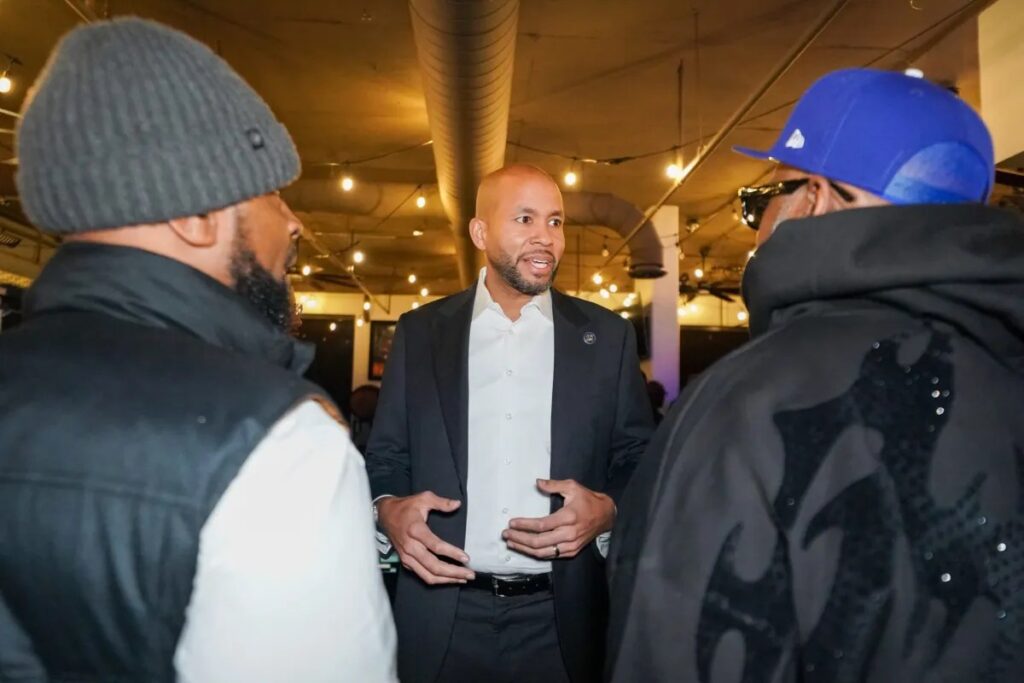
In Georgia, where Black voters constitute a substantial share of the electorate, the significance of Black male votes cannot be overstated. Recently, Jason Esteves, a former state legislator and current Democratic gubernatorial candidate, hosted a roundtable discussion specifically focused on engaging Black men. The event, held on February 3, 2026, at a Black-owned business, aimed to foster dialogue among community leaders, organizers, and potential voters about crucial policy priorities and driving political participation.
Before the discussion commenced, Esteves connected with attendees, emphasizing the meaningful impact that Black men have historically had on elections. “Black men have always had a significant impact on elections,” he stated. “We are one of the most reliable blocs when it comes to Democratic voters.” While Black women are noted as the most consistent Democratic voters, analysts indicate that Black male turnout can be particularly decisive in close statewide races, underscoring the need for candidates to broaden their outreach.
Esteves outlined what he termed a “Black Men’s Agenda,” focusing on three pivotal areas: health, wealth, and opportunity. He argued that these priorities resonate across different communities and should not be confined to any single demographic. “No matter who you are, you care about those things,” he asserted, highlighting a recurring sentiment that politicians often overlook these crucial issues.
The roundtable discussion covered policy areas that extend beyond Georgia, such as early childhood education, healthcare access, small business support, food access, and parental involvement. Several participants expressed interest in how these initiatives could be funded and implemented, showcasing a blend of skepticism and engagement that is common in voter forums. Political observers note that such interactions are vital, as they reflect voters' desire to be heard.
“Black voters want to be heard,” said Tharon Johnson, a Democratic strategist with experience in statewide campaigns. “Candidates who take the time to listen and engage seriously are going to have an advantage.” Johnson highlighted that while Black male voters typically lean toward supporting Democratic candidates in general elections, their turnout and enthusiasm hinge on whether their concerns are adequately addressed.
This renewed focus on Black men comes amid national conversations surrounding political participation, voter fatigue, and trust in institutions. Recent surveys indicate uneven engagement among younger voters and men of color, prompting campaigns to rethink traditional outreach strategies. Esteves emphasizes the importance of sustained engagement over one-off appearances, aiming to counter the narrative that Black men are disengaged or apathetic. “That’s not what I see when I’m in rooms like this,” he remarked.
As Georgia's electoral landscape evolves, the state is poised to serve as a case study in mobilizing Black male voters and gauging their responses. The dynamics of this voting bloc could have implications that reach well beyond Georgia's borders. “If people organize together and vote together,” Esteves noted, “they can change what leadership looks like.”
1 in 5 Pennie Enrollees Lose Health Coverage—What Happens Next Will Shock You!

You Won't Believe What Yale's Josh Pitsenberger Can Do—Is He the Next NFL Sensation?
Trump's Climate Decisions: Could They Cost Us 100,000 Lives and Boost the Dollar? Shocking Truth Revealed!

IndiGo's Shocking Move: Is This the Future of In-Flight Entertainment? You Won't Believe What’s Coming!
Unlock $1000 in FanCash for NBA All-Star Saturday—Will You Miss This Game-Changing Offer?
You Won't Believe What Happens When 100+ Players Gather at the US Club Soccer's Elite Camp!
You might also like: