
Could Electrification Save You $1,200 a Year? The Shocking Truth You Need to Know!

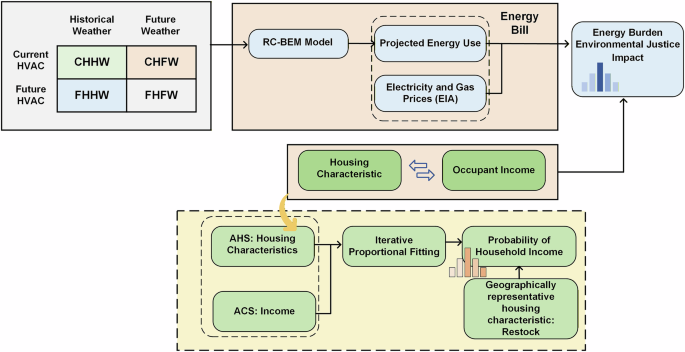
In an ambitious study, researchers focused on the energy burdens facing households across 28 U.S. cities, each selected to represent a variety of climate conditions. From the cold winters of Buffalo and Boston to the sizzling summers of Phoenix and Houston, this analysis sheds light on how heat pump adoption and climate change are uniquely impacting energy costs for American families. Understanding these variations is essential, as they can inform more tailored energy policies that address the specific needs of each region.
The analysis highlighted eight primary cities, which serve as representative examples of distinct U.S. climate zones, including very cold, cold, mixed humid, hot humid, hot dry, and marine climates. The remaining cities were chosen to ensure a diverse geographical spread for cross-city comparisons. The study utilized data from reputable sources such as the U.S. Office of Energy Efficiency and Renewable Energy’s Building America project and placed a strong emphasis on cities with accessible time-of-use rate structures.
Findings indicate that the effects of electrification and climate change on household energy burdens vary considerably across different climates. In cold regions like Buffalo and Boston, the transition to heat pumps has been shown to increase winter energy costs. This is largely due to the replacement of low-cost natural gas heating with more expensive electric heating. However, this increase is somewhat mitigated by rising temperatures, which are projected to reduce heating demand over time.
Conversely, in mixed-humid regions such as Baltimore and St. Louis, the efficiency of heat pumps improves with warmer ambient temperatures, leading to lower energy burdens. In hot regions like Houston and Phoenix, while heat pumps enhance cooling efficiency, the increased demand for cooling due to higher temperatures results in only modest net reductions in energy costs.
The study also provided a comparative analysis of two major cities: Detroit and Phoenix. Here, the researchers examined six different scenarios involving HVAC systems and climate conditions to isolate and compare the impacts of electrification and climate change. The data revealed that the median energy burden for households in Detroit stands at 4.8%, significantly higher than Phoenix's median burden of 3.5%. For the most vulnerable households—those in the top 10% experiencing the highest energy burdens—Detroit's median burden reaches an alarming 58%, which is 12 times greater than the average for all homes there.
This stark contrast underscores the complexities involved in transitioning to electric heating systems. While switching to heat pumps slightly increases energy burdens in Detroit, especially during the colder months, they yield substantial benefits for households currently using electric resistance heating, propane, or fuel oil. For example, a shift to electrified systems could cut energy costs for these households, even in cold climates.
However, the analysis warns that the benefits of such transitions can be unevenly distributed. For households using natural gas, the upfront costs of switching to heat pumps may not be balanced by long-term savings, particularly as energy prices fluctuate. The study advocates for targeted subsidies to make heat pump adoption more attractive to those facing high energy burdens, particularly in colder regions where initial costs may be a barrier.
Monthly energy burdens further illustrate these dynamics. In January, the coldest month, households in Detroit see a median energy burden increase from 7.7% with natural gas heating to 9.5% with heat pumps, showcasing the financial strain that electrification can impose in colder climates. In contrast, the median burden in Phoenix with current systems is 3.5%, decreasing to 3.1% with future electrification scenarios, signifying potential financial relief for residents there.
The implications of this research are crucial as policymakers consider how to balance the benefits of electrification with the realities of climate change. In cities with very cold winters, the findings suggest that electrification could increase energy burdens, while warmer climates might experience a reduction in energy costs due to more efficient cooling systems. This geographic variability highlights the urgent need for region-specific strategies to manage energy costs effectively.
In summary, as the U.S. grapples with the dual challenges of rising energy costs and climate change, this in-depth analysis provides valuable insights into how different regions can navigate the transition to electrification. Tailoring policies to reflect the unique energy burdens faced by households in diverse climates will be essential in promoting equitable access to affordable energy solutions.
Is Granit Xhaka's Shocking Fitness Concern Hiding a Major Swiss Team Crisis? Find Out Now!

Cornell Grad’s AI Startup Shocks Industry with Venture Atlanta 2025 Selection – Here’s What You MUST Know!

Ebola on the Rise: $30M Secret Weapon Unveiled by SK Bioscience and IDT Biologika!

CFTC’s Shocking New Task Force: Is Your Crypto at Risk? Discover the Hidden Dangers Now!

Discover the ONE Plant-Based Snack Dietitians Swear By – You’ll Be Shocked at the Benefits!

Is Bitcoin's Shocking Role Reversal with Gold the Start of a Financial Earthquake? You Won't Believe What Analysts Are Warning!
You might also like: