
Could Arizona's Energy Future Be Decided by a Shocking Election? Discover the Hidden Stakes!

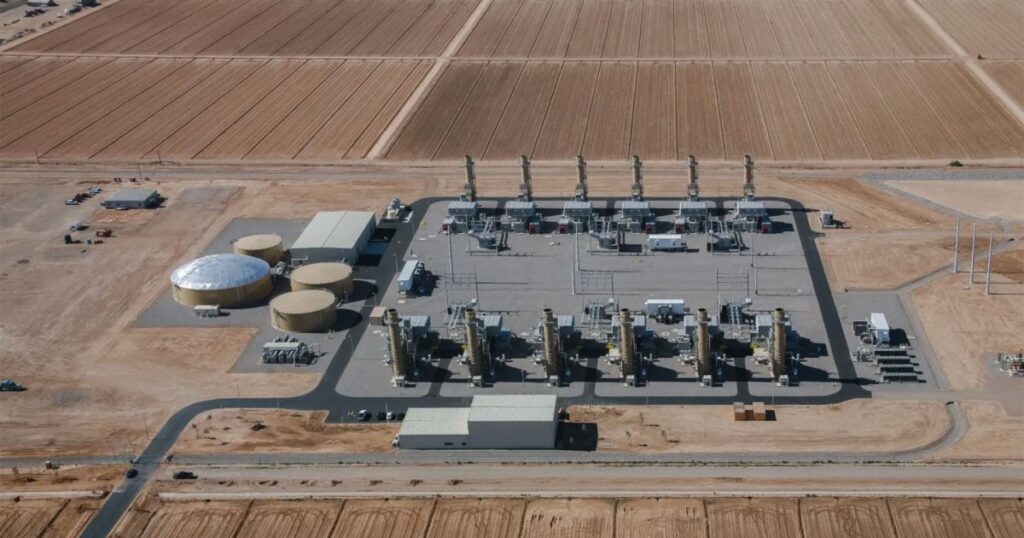
The Salt River Project (SRP), Arizona's largest public power utility, is at a crossroads that reflects broader national discussions about energy governance, democratic participation, and the transition to clean energy. Established in 1903, SRP was originally designed to serve a farming community, but today it powers over 2 million customers in the sprawling Phoenix metropolitan area. As it faces critical elections and an increasing demand for sustainable power, the utility’s antiquated governance structure has come under scrutiny.
At the heart of SRP's governance is a unique voting system that harkens back to its origins. Landowners in the area have a vote for every acre they own, meaning a person with 20 acres has 20 votes, while someone with a half-acre has half a vote. This system effectively disenfranchises renters and many smaller landowners, leading to a voting pool that is not representative of the broader customer base. John Qua, a campaign director at Lead Locally, described this structure as “effectively feudal,” which marginalizes many stakeholders, especially in a rapidly urbanizing region.
Despite residing in a state blessed with ample sunlight and wind resources, SRP has continued to rely on fossil fuels for nearly two-thirds of its energy generation as of 2024. Critics highlight that its carbon reduction targets might permit even greater fossil fuel usage by 2035, raising alarms among environmental advocates. However, the upcoming election on Tuesday, where half of the 14 board seats will be contested, may signal a turning point.
Turning Point USA, a conservative political organization, has positioned the election as a referendum on “radical change,” expressing opposition to wind and “bad solar.”
Recent elections have seen a shift toward candidates advocating for clean energy, and this year’s election could provide them with a majority. Their opponents represent a coalition of large landowners and business leaders, backed by Turning Point USA, which has mobilized hundreds of volunteers and significant financial resources for their campaign. The clean energy advocates assert that even a small representation on the board has already nudged SRP toward increasing solar and distributed energy initiatives. The utility has identified approximately 2.8 gigawatts of new solar energy for integration into its grid in 2024, enough to power hundreds of thousands of homes.
However, the demand for electricity is expected to soar. SRP forecasts a 4% annual increase in peak demand from 2023 to 2035, driven by expanding electric vehicle adoption and burgeoning data centers. Many larger utilities across the U.S. are addressing similar demand growth by doubling down on natural gas, leading to concerns about energy prices and availability. The pro-business slate at SRP argues that moving away from fossil fuels could threaten energy stability.
On the other side, clean energy advocates believe that SRP can meet demand sustainably. They propose increasing investments in battery storage for solar energy and exploring carbon-free power options such as nuclear energy. They also emphasize enhancing energy efficiency in homes and installing rooftop solar panels to mitigate demand stress.
As the election approaches, the stakes are high. With only six of the 14 board seats currently held by clean energy advocates, a coalition victory is dependent on flipping at least two district seats and winning the presidency. Districts 4 and 6, representing parts of west Phoenix and Glendale, could prove decisive, although previous elections have shown dangerously low voter turnout—often under 10% of eligible voters.
The voting system's design, coupled with the low turnout, makes it challenging for clean energy advocates to gain traction, despite their efforts. For instance, in the District 8 election in 2022, the clean energy candidate won by a narrow margin of 248.33 acres to 209.01, revealing the razor-thin margins and high stakes involved.
As voters prepare to head to the polls, the involvement of Turning Point USA adds another layer of complexity. The group, founded by the late Charlie Kirk, has been heavily involved in rallying support for candidates opposing aggressive clean energy initiatives, framing the debate around energy as one of stability versus radical change. Their significant campaign spending threatens to drown out the voices of advocates for sustainable energy, who are already outmatched financially.
With all eyes on the upcoming election, the future of SRP hangs in the balance. The outcome could determine whether the utility continues down a path reliant on fossil fuels or embraces a cleaner, more sustainable energy future, reflecting a significant shift not only for Arizona but potentially for public utilities across the nation.
This Shocking Shift Could Cost Crypto Investors Millions—Are You Prepared for the Fallout?

The Middle East Cinema Boom: Why You Can't Afford to Miss This $1 Billion Transformation!

Is Canon’s Absence in the Smartphone Game a Fatal Mistake? Shocking Consequences Revealed!

Eva Longoria's Bold Bikini Reveal Will Make You Question Everything—Find Out Why!
This Month's Elections Could Change Everything: Are You Ready for the Shocking Outcomes?

Is Social Media Stealing Your Vote? Shocking Data Reveals How Democracy Is at Risk!
You might also like: