
College Football's Shocking New Jersey Patch Deal: Will Your Team Cash In or Crash Out?

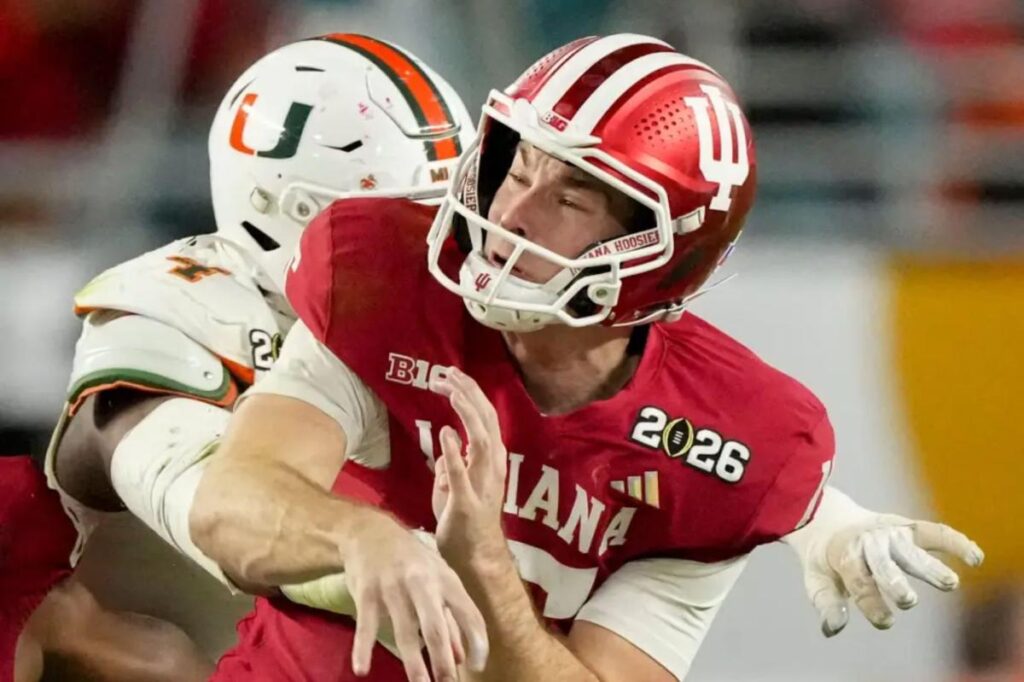
It’s officially here: advertising patches will soon be gracing the jerseys of college sports teams. The NCAA Division I Cabinet announced on Friday that patch sponsorships have been approved, with the new legislation set to take effect in August, right before the 2026 college football season.
Under these new rules, universities will have the opportunity to place up to two commercial logos on their teams’ uniforms, each measuring no more than four square inches. Additionally, one extra logo will be permitted during all preseason and postseason games, allowing schools to expand their branding efforts significantly.
This shift signals an evolving landscape in college athletics, particularly as the NCAA seeks to enhance financial benefits for student-athletes. “College sports are in an exciting new era of increased financial benefits for student-athletes, and the Cabinet’s vote today reflects the ongoing commitment of Division I members to drive additional revenues and fully fund those benefits,” stated Josh Whitman, the athletic director of Illinois and the chair of the D-1 Cabinet. He emphasized that this policy change is about offering schools and conferences more flexibility to set standards that align with their values and needs.
Another exciting facet of the new policy is that schools will also have the ability to add a third logo for conference championships. This innovation mirrors practices already established in professional sports leagues, where advertising patches have become commonplace. Currently, leagues like the NBA, NHL, MLB, and MLS allow teams to display sponsor logos, while the NFL remains the holdout in this regard.
NCAA President Charlie Baker has acknowledged the role of Brett Yormark, the Big 12 commissioner, in pushing for the approval of these patches. Yormark, who previously served as the CEO of Brooklyn Sports and Entertainment, where he oversaw operations for the Barclays Center and the business functions of the Nets, Islanders, and Liberty, has been a pivotal figure in these discussions.
The NCAA has already made strides in altering its regulations around collegiate athletics. Since 2021, it has permitted athletes to capitalize on their name, image, and likeness (NIL) through endorsements and sponsorships. This move toward patch sponsorships is another step in the broader trend of monetizing college sports and addressing the financial needs of student-athletes.
With the introduction of advertising patches, college sports are poised for a significant transformation. As schools begin to explore these opportunities, it will be crucial to observe how they utilize this newfound flexibility and how it impacts the culture of college athletics. This development is not just about logos on uniforms; it’s a reflection of a shifting paradigm—one where the financial landscapes of student-athletes and collegiate sports are becoming intertwined in unprecedented ways.
As the 2026 season approaches, fans, athletes, and institutions alike will need to adapt to this new reality and consider the implications of branding in college sports. The implications for revenue generation, school identity, and the athlete experience will undoubtedly be topics of discussion as college sports continue to evolve.
Unlock the Future: 10 Shocking Health Gadgets from CES 2026 You Can't Afford to Miss!

Meet 'Peace Dog': The Canine Influencer With 3 Million Followers Who's Changing Lives – You Won't Believe How!

Pregnant and Uninsured? Discover the Shocking Costs That Could Leave You with $20,000 in Bills!
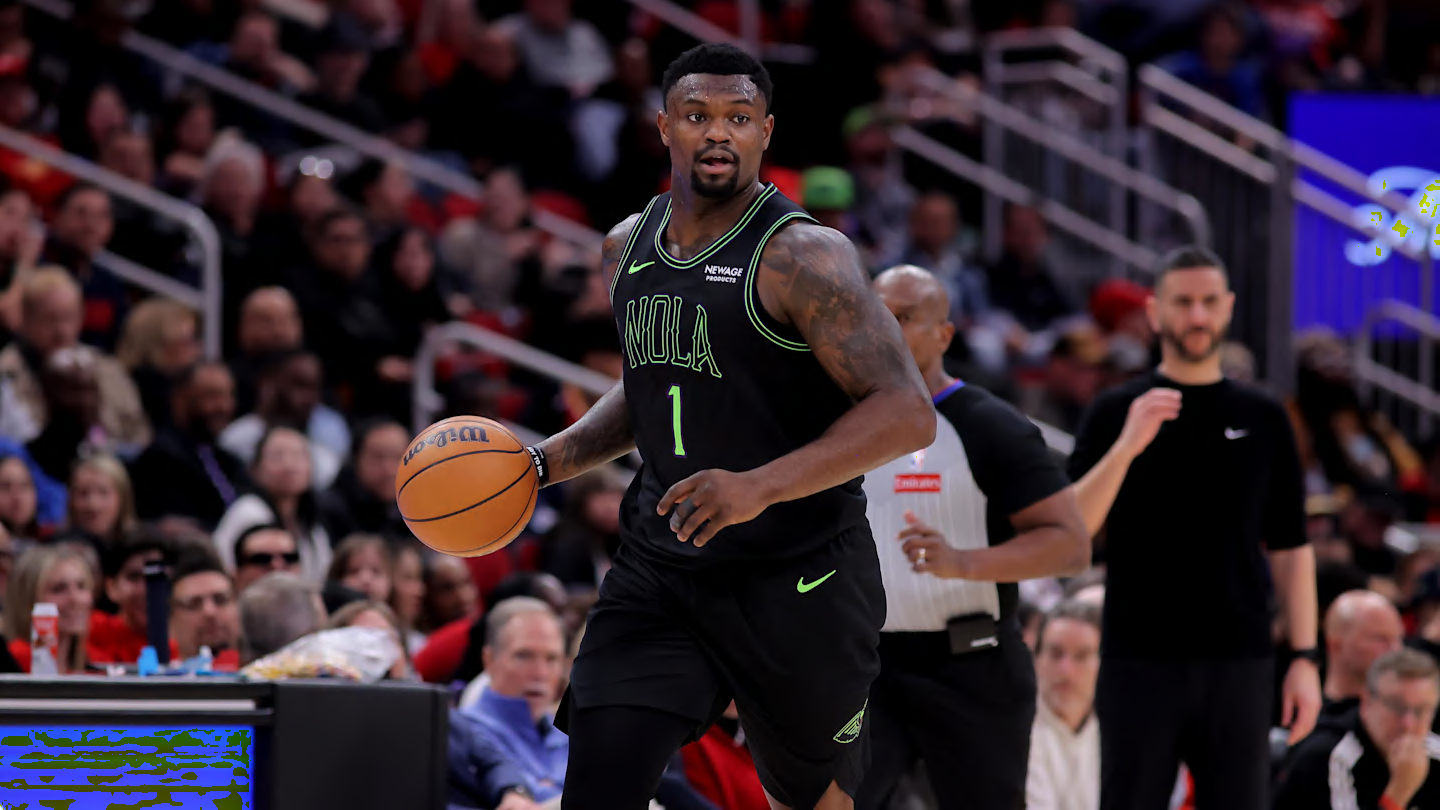
Is Zion Williamson the Secret Weapon That Could Skyrocket the Hornets to the #1 Offense? You Won’t Believe What Happens Next!

You Won't Believe What Happened at the Secret White House Meeting Between Ukraine and Russia!

Snap's Shocking $X Million Settlement: What It Means for Your Social Media Use!
You might also like: