
China's Top Apps Are FURIOUS! ByteDance's AI Smartphone Sparks Unexpected Digital War – What You MUST Know!

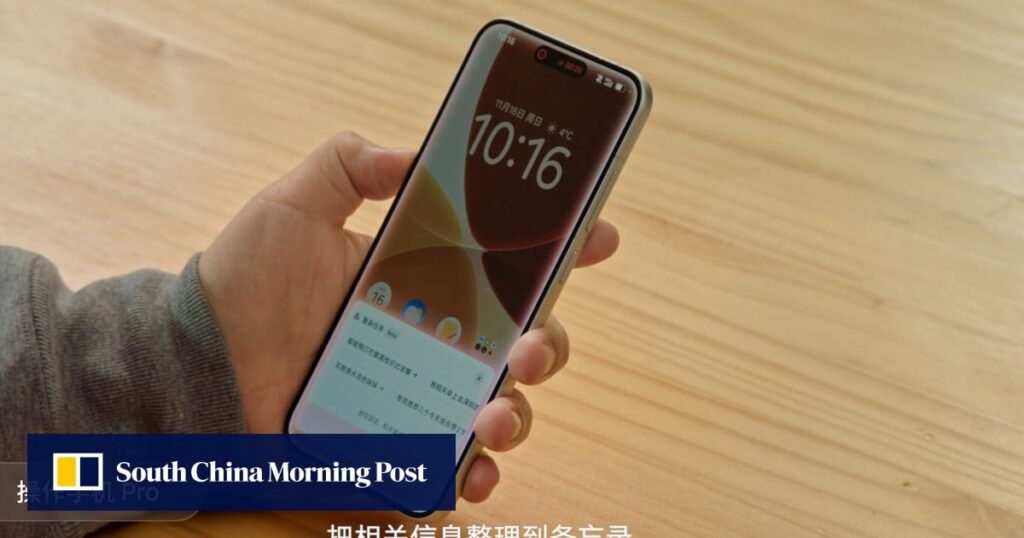
In a notable shift within the tech landscape, ByteDance, the owner of the popular social media platform TikTok, has announced it is tightening controls on its AI-powered smartphone, specifically the Nubia M153. This decision comes in response to restrictions imposed by several major apps in China on its voice-operated functions, highlighting the growing tension between AI capabilities and regulatory scrutiny.
On Friday, ByteDance revealed it would be scaling back the functionalities of Doubao, the artificial intelligence assistant embedded in the Nubia M153. This adjustment includes preventing Doubao from claiming incentives that were originally designed for active human users. Furthermore, the company is disabling the assistant’s interaction with financial applications, including banking and payment services, and suspending AI features in competitive games to ensure fair play among users.
This move follows actions taken by leading platforms such as Alipay, owned by Ant Group, an affiliate of Alibaba Group Holding, which has also restricted Doubao’s operations. Such restrictions raise questions about the future of AI integration in daily applications and services across China.
The Nubia M153, which was launched as a trial product, has garnered significant attention among early adopters for its unique capability to allow users to control the device through voice commands rather than traditional touch-screen interactions. Users can dictate commands for the phone to carry out various tasks, including automatically publishing posts on social media.
However, as restrictions tighten, users like Chen Tang, a 21-year-old freelancer and Nubia M153 owner, have noted that essential services like Pinduoduo, Alibaba’s Taobao, and Ele.me cannot currently be operated through Doubao. This limitation restricts the smartphone's utility and could dampen enthusiasm among potential users.
The implications of these developments are profound for the broader landscape of artificial intelligence in consumer technology. As companies navigate the complex relationship between innovation and regulation, the evolving restrictions on AI capabilities may influence how consumers interact with technology and the types of services available to them. The situation raises essential questions about the balance between leveraging advanced technologies and adhering to regulatory frameworks aimed at protecting consumer interests.
As ByteDance and other tech giants in China adapt to these changing dynamics, the future of AI integration in smartphones remains uncertain. This ongoing evolution is a critical area for consumers and industry observers alike, as it will shape the landscape of technology usage in China and potentially influence global trends. The decisions made now could set precedents for how AI technology is integrated into everyday tools and services in the years to come.
Apple and Google Unleash Urgent Warning: 150+ Countries Targeted in Shocking Cyber Attack - Are You Safe?

You Won't Believe the Shocking Sales Prices in Eastern Pittsburgh Last Week—Find Out What Homes Are Disappearing Fast!

Shocking Bowl Game Matchups for 2025-26 Revealed: Will Your Team Survive the Epic Showdowns?

Indians in the US Face a Shocking 50% Job Loss: Are You Next? Discover the Alarming Truth!

You Won't Believe the Shocking Truth About Pecans: Are They Really the Healthiest Nuts? Discover the Surprising Protein Count!

You Won't Believe This 1 Simple Move to Melt Thigh Fat—No Gym Needed! Discover It Before It's Too Late!
You might also like: