
China's Sudden Blockade: How Meta's $2 Billion AI Dream Crumbled Overnight! What’s Next?

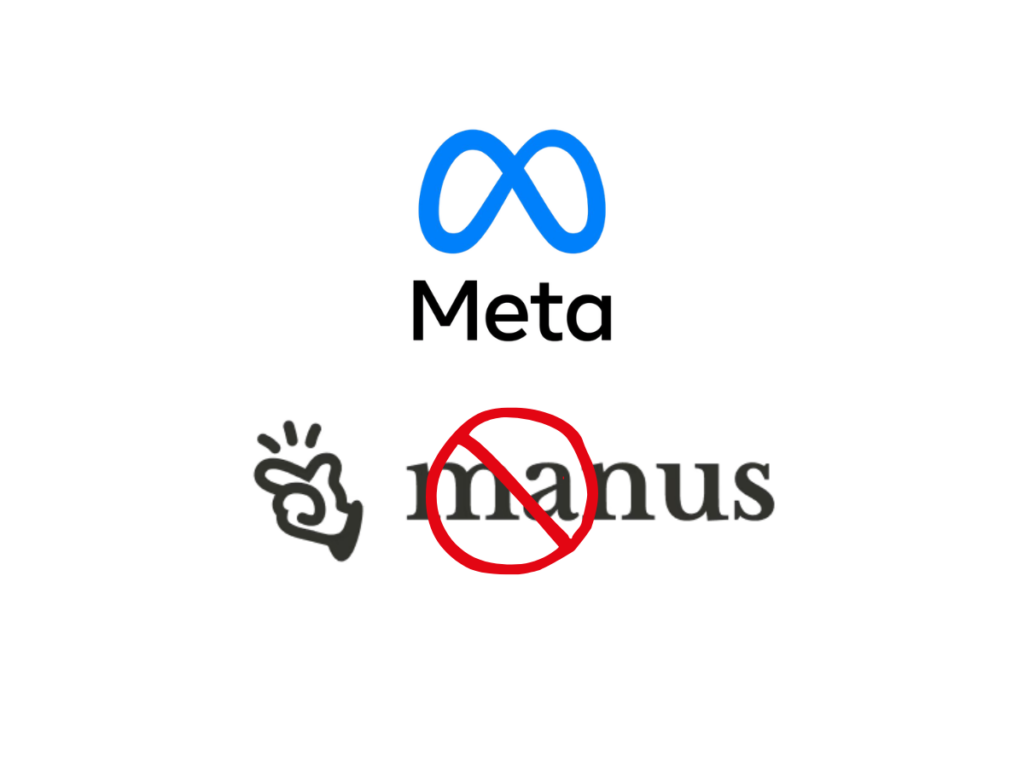
In a significant setback for Meta, China's National Development and Reform Commission has blocked the company's planned acquisition of Manus, an AI agent startup, valued at roughly $2 billion. The acquisition was announced in late December 2025, but the Chinese regulator has requested both companies to withdraw from the deal.
A spokesperson for Meta stated that the transaction was fully compliant with applicable law and expressed confidence in reaching an appropriate resolution to the regulatory inquiry.
The Regulatory Landscape
While Manus is currently based in Singapore, it was originally founded and operated in China. Chinese law grants regulators authority over the export or sale of technology developed by companies with Chinese roots, necessitating approval from Beijing for such transactions. This framework is not new; during the Trump administration, it also required Chinese approval for ByteDance to manage TikTok’s operations in the United States.
In March, reports surfaced indicating that Manus’s two co-founders were prevented from leaving China amid the regulatory review of the acquisition. Despite these restrictions, Meta had integrated the Manus team into its operations and stated that they continued to manage the Manus service.
Manus is known for its autonomous AI agents that can independently plan, execute, and complete multi-step tasks based on user instructions, all without the need for repeated prompts. Meta intended to leverage these capabilities to enhance its AI functionalities across various platforms.
However, unwinding the deal will be complicated. According to Meta, a significant level of integration had already occurred, which adds uncertainty to how the withdrawal will unfold. Moreover, the ongoing travel restrictions on Manus's co-founders complicate matters further, as their exit from China seems to be hindered by the regulatory process. As of now, Meta has not outlined any specific steps to comply with the regulator's requirements.
This decision occurs amid rising tensions between the United States and China regarding AI technology and national security concerns. Just last week, the White House announced plans to collaborate more closely with American AI companies to counter perceived foreign efforts to replicate U.S. AI models, specifically citing concerns over Chinese entities. In response, China’s embassy in the U.S. contested this portrayal, highlighting the complexities of global tech competition.
The implications of this blocked acquisition extend beyond Meta and Manus. It reflects the increasingly stringent regulatory environment that foreign tech companies face in China, particularly in the rapidly evolving field of artificial intelligence. As artificial intelligence continues to play a pivotal role in shaping both economic and geopolitical landscapes, the outcomes of such regulatory decisions will likely influence future investments and partnerships between U.S. firms and their counterparts in China.
For American readers, this development underscores the intricate interplay between technology, regulation, and international relations, revealing how geopolitical tensions can directly impact corporate strategies and innovation in the tech sector.
Lawmakers Rush to Tallahassee: Are Your Vaccines and AI Regulations at Risk? Shocking Truth Revealed!

You Won’t Believe How Tapaya's Shocking €1M Funding Could Change Your Wallet Forever!

UK Unleashes Bold New Plan: Can Pacific Communities Survive This Climate Crisis?

Colombia on Edge: Shocking Attacks Surge Before Election—What You Need to Know NOW!

Is This Your Last Chance to Invest in SpaceX Before the IPO? Shocking Details Inside!

Real Estate Shock: IW's New 86-Cent Tax Hike Could Cripple Homeowners—Find Out How!
You might also like: