
Children Using Social Media Over 3 Hours Daily: Are You Ignoring This Shocking Link to Anxiety?

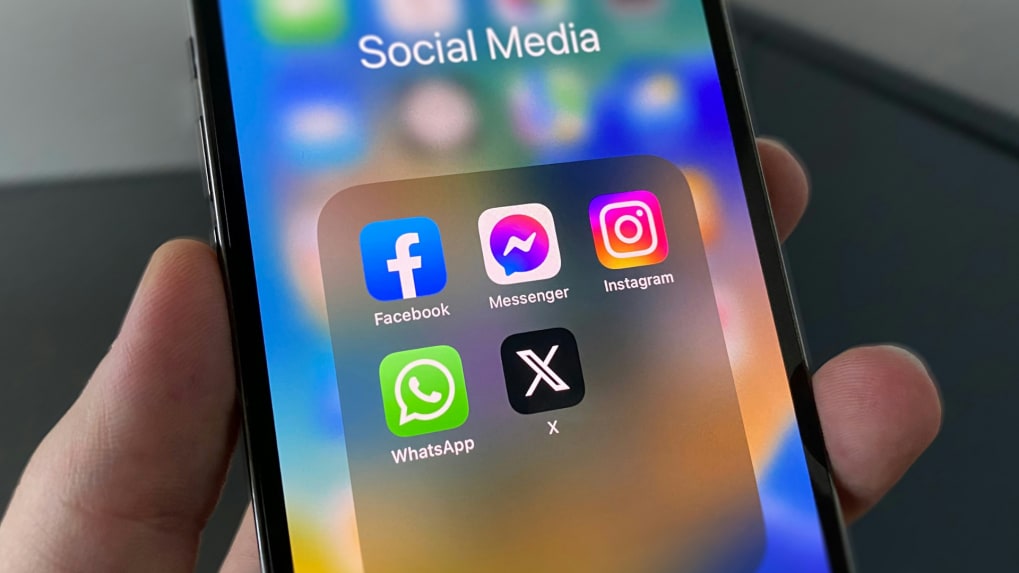
A new study from researchers at Imperial College London has highlighted a concerning trend regarding children and their social media use. The research indicates that children who spend more than three hours a day on social media are significantly more likely to experience symptoms of anxiety and depression during their teenage years. This correlation is especially pronounced among girls, who may face different usage patterns and impacts.
The study, published in BMC Medicine, analyzed data collected from a long-term examination of cognition, adolescents, and mobile phone use, which began in 2014. Researchers assessed responses from 2,350 children across 31 schools in London. Participants were evaluated twice: first between the ages of 11 and 12, and again between 13 and 15. The evaluation included cognitive tests and questionnaires that examined digital habits, mental health, and lifestyle patterns.
Findings from the study revealed that children who engage in extensive social media usage—defined as over three hours per day—are more likely to report symptoms of anxiety and depression compared to their peers who limit their online presence to approximately 30 minutes daily. The increased time online often leads to later bedtimes and reduced sleep, particularly on school nights. According to Prof. Mireille Toledano, the principal investigator of the study and chair at Imperial’s Mohn Centre for Children’s Health and Wellbeing, “Our analysis shows a clear trend in terms of the amount of time spent on social media and mental health outcomes.”
Prof. Toledano further emphasized the critical link between social media use and sleep deprivation, explaining, “Children who use social media apps for longer, and later into the evening, may be offsetting the sleep they need to function healthily. We think this is the key reason we’re seeing a lasting impact on their mental health down the line.”
These findings come at a time when the UK government is consulting on measures aimed at protecting children online, including the potential for a partial ban on social media use for individuals under 16. However, Prof. Toledano cautioned against rushing into such measures, noting that there is currently “insufficient evidence” to support outright bans. She described the issue as “complex and multi-factorial” and suggested that policymakers observe the impacts of similar regulations in countries like Australia before taking action.
The implications of this study are profound, especially as mental health issues among adolescents continue to rise. The research underscores the need for educational initiatives that promote digital literacy and raise awareness about the importance of healthy sleep habits. As the digital landscape evolves, equipping young people with the tools to manage their online lives responsibly is more crucial than ever.
As discussions around children's safety online intensify, the findings from this study offer a valuable perspective on the relationship between social media use and mental health. With the number of children using social media on the rise, understanding these dynamics will be essential for parents, educators, and policymakers alike.
You Won't Believe the 5 Hidden Gems in Europe This Week—Discover What Everyone's Talking About!

Google CEO Says AI Could Replace Him! What Is Zuckerberg Planning That Will Change Everything?

Côte d’Ivoire's Shocking Move: 500 Women Farmers to Transform Their Futures Overnight!

Alaya F Reveals Shocking Fitness Secrets – You Won't Believe What She Does for Summer Style!

How One War Could Change Global Environmental Laws Forever—Are We Ready for the Shocking Consequences?
You Won't Believe What Happens When Access Is Denied: The Shocking Truth Revealed!
You might also like: