
Central Asia’s Water Crisis: Is Climate Change DOOMING Millions? Shocking Facts You MUST Know!

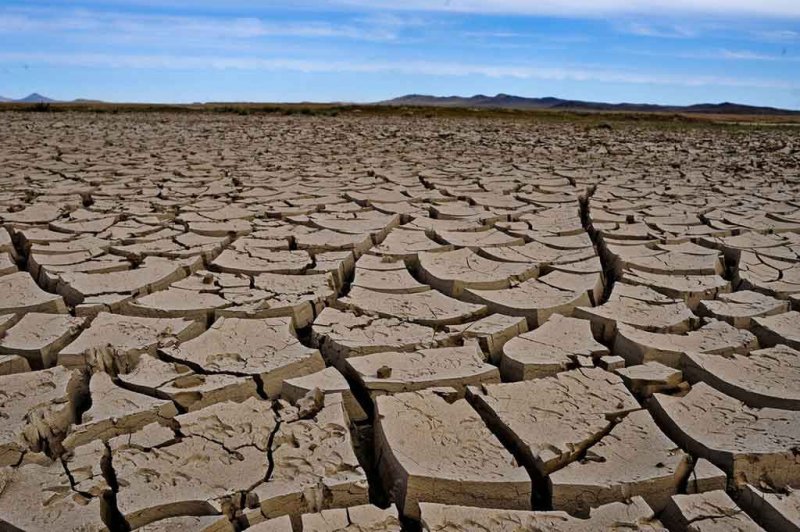
Water security is a pressing issue for Central Asia, influencing economic development, food security, energy production, and regional stability. In a region characterized by arid and semi-arid climates, uneven resource distribution, and rising demand, water has become a strategic asset. The five Central Asian countries—Kazakhstan, Uzbekistan, Turkmenistan, Kyrgyzstan, and Tajikistan—are increasingly defining their national policies around access to and control over water resources.
Climate change is amplifying existing vulnerabilities in this equation. Rising temperatures, shrinking glaciers, irregular precipitation, and more frequent extreme weather events are altering hydrological patterns across the region. As a result, water management is no longer just a technical issue; it has become a central pillar of long-term development and security planning.
Geographic disparities further complicate the situation. Central Asia's major rivers originate in mountainous upstream countries and flow toward downstream states, which are home to large agricultural populations. This upstream-downstream dynamic has historically defined relations among these nations. The upstream countries have significant water generation capacity through glaciers and snowmelt, while the downstream states rely on consistent water flows for irrigation, drinking, and industry. However, their differing priorities have created a structural imbalance—upstream states focus on hydropower generation, especially during winter, while downstream countries require water mainly during the agricultural growing season.
These competing needs have proven difficult to manage without fully integrated regional mechanisms capable of enforcing long-term cooperative solutions. Climate change is exacerbating these challenges; glaciers in Central Asia are retreating faster, diminishing the long-term reliability of river flows. Although there may be temporary increases in meltwater, the long-term trend indicates a decline in availability, making historical water-sharing agreements increasingly unreliable.
Agriculture remains one of the largest consumers of water in Central Asia and is vital for rural livelihoods. However, much of the region's agricultural infrastructure relies on outdated irrigation systems, leading to significant water losses. Improving agricultural water efficiency is essential for sustainable development. Modern irrigation technologies and crop diversification are being discussed as ways to reduce pressure on limited resources while maintaining agricultural productivity.
In upstream countries, water is closely tied to energy security. Hydropower generation peaks in winter when electricity demand is highest, yet downstream agricultural needs peak in summer. This seasonal mismatch fuels regional tensions, as unilateral decisions regarding water release can lead to shortages downstream or energy deficits upstream. Integrated water-energy planning is essential for addressing these conflicts, but achieving effective cooperation remains a significant policy challenge.
Demographic trends, including population growth and urbanization, are further intensifying water demand. Cities require reliable drinking water and sanitation infrastructure, and industries depend on consistent water supplies. Aging infrastructure and limited investment often result in substantial losses and uneven service quality. Thus, urban water security must become a growing priority, necessitating investments in treatment facilities, distribution networks, and wastewater reuse.
Moreover, Central Asia faces serious environmental legacies tied to past water management practices. Large-scale river diversions and unsustainable irrigation have resulted in land degradation and ecosystem collapse in certain areas, leading to reduced agricultural productivity and public health risks. As climate change compounds these issues, restoration and adaptation efforts become increasingly urgent. Sustainable water management must incorporate environmental considerations to ensure long-term human security.
Effective water management will rely on regional cooperation, as rivers and aquifers do not adhere to national borders. While various regional mechanisms exist, their effectiveness is often limited by political sensitivities and differing national priorities. Despite these obstacles, there is a growing awareness that shared challenges demand shared solutions. Technical dialogue, data sharing, and confidence-building measures are essential for fostering cooperation.
Adaptation to climate change is becoming a focal point in water policy. Governments are exploring adaptive strategies that enhance resilience, such as improving water storage capacity and integrating climate projections into planning processes. Early warning systems for floods and droughts are also becoming critical as extreme weather events increase in frequency.
International engagement in water security and climate resilience is on the rise, positioning Central Asia as a crucial area for sustainable resource management. This global interest offers access to financing and technical expertise, but effectiveness hinges on alignment with national priorities and regional cooperation frameworks.
Balancing economic development with social equity is one of the core challenges in water policy. Water allocation decisions impact livelihoods and regional equality, making transparent governance essential. As scarcity becomes more pronounced, the political dimensions of water management will gain prominence. Inclusive approaches that consider the needs of rural communities and urban residents are vital for maintaining legitimacy and stability.
Ultimately, water security sits at the crossroads of climate change, development, and geopolitics in Central Asia. It influences agriculture, energy, health, and regional relations, marking it as a defining issue for the coming decades. Sustainable water management transcends mere infrastructure or technology; it necessitates governance, cooperation, and a long-term vision. By collectively addressing water challenges, Central Asian nations have the potential to transform a source of vulnerability into a foundation for resilience and shared prosperity.
In an era of climatic uncertainty, water security will remain a decisive factor in shaping Central Asia’s development path and its capacity to ensure stability for future generations.
This Shocking Legal Battle Could Change Your Life—Find Out Why It's Unavailable!
Phil Foden's Shocking Return: How One Injury Could Change Man City's Champions League Fate!

Governor Murphy's Shocking New Law: How It Could Change Your Vaccine Costs Forever!

You Won't Believe What the XIAOMI Redmi Note 15 Pro+ 5G Can Do—Is Your Smartphone Holding You Back?

You Won't Believe What Healthy Snacks Are Taking Over Grocery Aisles in 2026 – Get Ready for a Shocking Change!

Kevin Durant and Dirk Nowitzki’s SHOCKING Messages After Rockets Star BREAKS Scoring Record! You Won't Believe What They Said!
You might also like: