
Celeste Barber's Alarming Confession About Her Kids: What She Revealed Will Shock You!

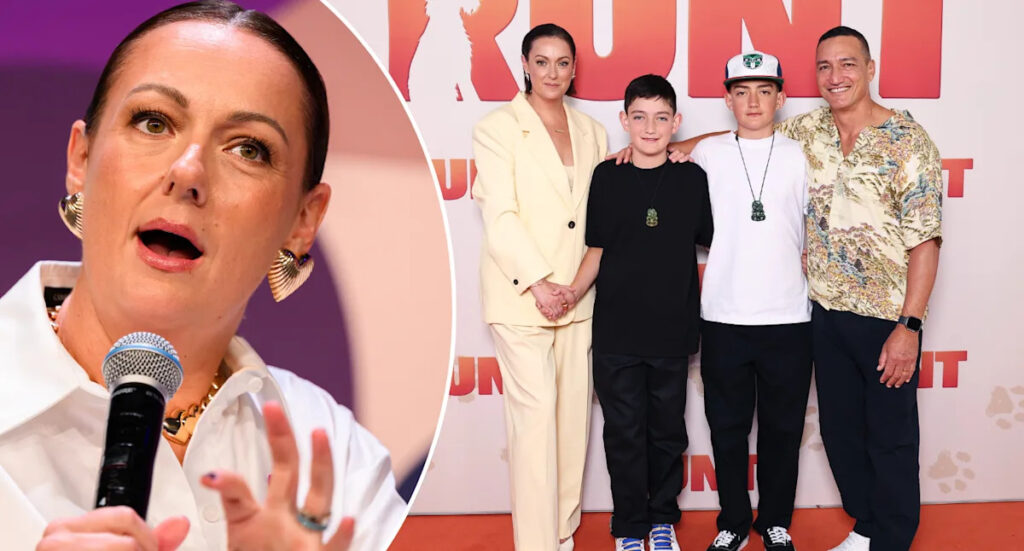
In a bold move that reflects growing concerns about the impact of social media on youth, Australian comedian Celeste Barber has announced that she has banned her teenage sons from using platforms like Facebook, X (formerly Twitter), TikTok, and Snapchat. This decision comes as Australia prepares to implement a significant policy change: starting December 10, kids under the age of 16 will be locked out of these popular social media apps.
Historically, these platforms have allowed users as young as 13, but the new regulations aim to protect the mental health and wellbeing of children and teenagers. Barber, who has made a name for herself on social media, stated on the morning program TODAY, "They don’t have social media [and] I think it’s fantastic.” Despite her own prolific online presence, she is firm in her stance regarding her children, aged 14 and 11. “Yeah, but not my kids,” she emphasized, underscoring her commitment to keeping them off these platforms.
The comedian's concerns extend beyond just screen time; she expressed fears about what children might encounter online. “It’s terrifying for children,” she remarked, noting her apprehension about cyberbullying, exposure to harmful content, and online predators. Barber has long been vocal about her reservations concerning the sharing of children's lives on social media, stating, “I’ve always been really, really strong on that.”
Barber admitted that her household rule has led to some “fighting” as her sons have pushed for social media access, but she noted that they have come to agree with her decision. However, she did not provide a timeline for when they might be allowed to create accounts.
Global Context of the Social Media Ban
The upcoming Australian ban is part of a broader movement to limit children's exposure to potential online dangers. This initiative comes amid rising global concerns about the effects of social media on young people's mental health. Studies have shown that excessive use of these platforms can lead to issues such as anxiety, depression, and cyberbullying, prompting various governments to investigate regulations aimed at protecting minors.
In Australia, the federal government’s change is groundbreaking and could serve as a model for other nations grappling with similar issues. Julie Inman Grant, Australia’s eSafety Commissioner, stated that they will actively monitor social media usage among children and won’t hesitate to add more platforms to the ban if necessary. She noted that there has been a trend of youth migrating to alternative social media sites when mainstream ones become inaccessible, a concern that echoes in the United States as well.
As the December 10 deadline approaches, many parents are likely to consider Barber’s approach as they navigate their own children's social media use. With social media becoming ubiquitous in modern youth culture, navigating these waters requires a balance between fostering independence and ensuring safety.
Barber's experience serves as a poignant example for parents worldwide, inspiring discussions about the responsibilities that come with digital access and the importance of setting boundaries. As Australia leads the way with this unprecedented social media ban, it raises important questions about how other countries will respond and whether similar regulations could be on the horizon.
As we look towards the future, it's clear that the conversation around children's social media use is far from over. The stakes are high, and the need for careful consideration in how to engage with these platforms is more critical than ever.
Ben Simmons Shocking Admission: Would He Really Play for the Sixers—For FREE?! You Won't Believe Why!

Shocking Tennessee Election LIVE: Will Van Epps or Behn Secure Victory in This Nail-Biting Showdown?

You Won't Believe the 5 Shocking Secrets a CRE Veteran Reveals to Close 80% More Deals FAST!
You Won't Believe What Former NJ Governor Jim McGreevey Revealed During the Heated Jersey City Mayor Runoff!

You Won't Believe How Coral Reefs Shaped Earth's Climate for 250 Million Years!

Michigan's Shocking Doula Triumph: What Experts Say Will Change Maternal Health Forever!
You might also like: