
CDC's Shocking Move: Are Newborns Now Vulnerable to Hepatitis B? Find Out Why This Matters!

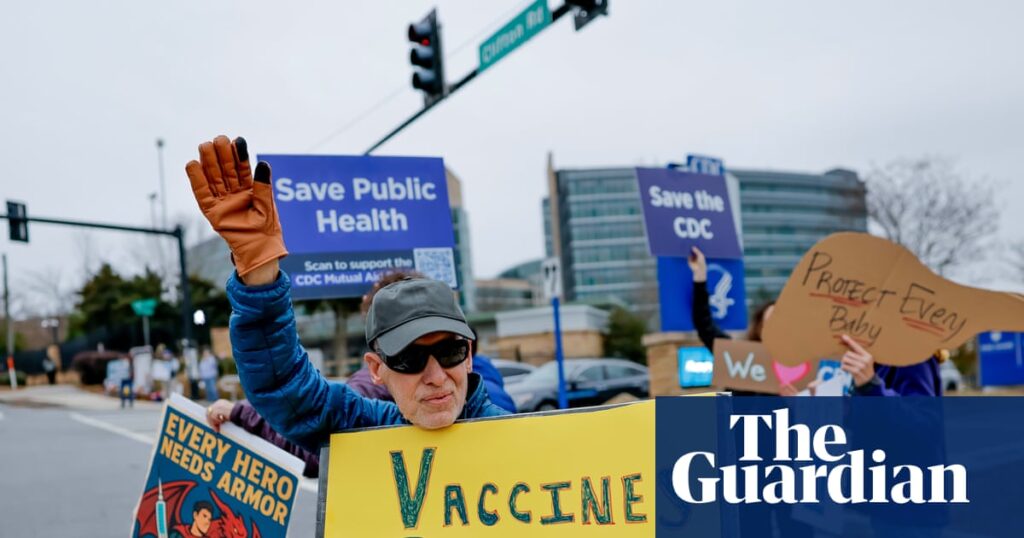
The US Centers for Disease Control and Prevention (CDC) has recently made a significant policy change regarding the hepatitis B vaccine for newborns. On Tuesday, the CDC announced it would no longer recommend that all newborns receive the hepatitis B vaccine at birth. This decision follows a vote from the vaccine advisory panel headed by Health Secretary Robert F. Kennedy Jr., which concluded that a birth dose should only be administered to infants whose mothers are either hepatitis B positive or whose status is unknown.
The CDC now suggests that parents consult healthcare providers to determine whether infants born to hepatitis B-negative mothers should be vaccinated. “We are restoring the balance of informed consent to parents whose newborns face little risk of contracting hepatitis B,” stated Jim O’Neill, the acting director of the CDC and deputy health secretary.
This marks an abrupt shift from nearly 30 years of medical guidance. Since 1991, US health officials have advocated for universal vaccination against hepatitis B for infants, with the first of three doses typically administered immediately after birth. This change raises concerns among health experts who warn that it could potentially expose more children to the virus, which can lead to severe liver disease.
Infectious disease expert Dr. Emily Landon from the University of Chicago Medicine voiced her concerns, emphasizing that the advisory panel's role is to help clinicians interpret scientific data. “This recommendation is ignoring the science. The fact that the acting director of the CDC would sign on to this just continues to reinforce that they are no longer committed to science-based recommendations for improving health,” she stated.
According to the CDC, hepatitis B primarily spreads through blood, semen, or certain other body fluids, and can also be transmitted through close contact with infected individuals who may be unaware of their status. The introduction of widespread vaccination has led to a dramatic decline in hepatitis B infections in the US, with rates plummeting nearly 90% from 9.6 per 100,000 individuals before vaccination was widely adopted in 1982 to about one per 100,000 in 2018.
However, experts like Michaela Jackson, program director of prevention policy at the Hepatitis B Foundation, have expressed serious concerns about the potential ramifications of this new policy. After the vote from the vaccine advisers, she told the *Guardian*, “This is going to lead to an increase in preventable infections among children. Parents are not going to know who to trust any longer.” Jackson further emphasized that the policy change effectively hinders access to vaccination by creating barriers for families.
The implications of this policy change extend beyond individual choice; they can also affect health insurance coverage in the US and the guidance provided by physicians on appropriate vaccinations for their patients. If parents decide against vaccinating their newborn immediately but still feel the need for vaccination, the CDC now recommends waiting at least two months for the first dose.
With concerns mounting over this policy shift, experts warn that the lack of a firm federal policy could lead to more families opting out of vaccinations altogether. Kennedy, known for his long-standing anti-vaccine stance, has played a critical role in altering US vaccination policy, raising further alarm among public health advocates.
As the CDC transitions to what it describes as “individual-based decision making,” the health community is closely monitoring the potential increase in hepatitis B cases among children. The debate surrounding this policy change underscores the delicate balance between parental choice and public health, as well as the responsibilities of health officials in safeguarding the well-being of the population.
Women Over 35 Are DITCHING Modern Trends for These 5 Shocking, Ancient Habits—Find Out Why!

This Shocking Study Reveals How Just 10 Minutes of Mindfulness Daily Could Cut Your Smartphone Addiction in Half!
Illinois Panel Shocks Parents: New Hepatitis B Vaccine Mandate for Newborns—What You MUST Know!

You Won't Believe How Caleb Williams' Touchdown Compares to Joe Montana's Legendary Pass!

Stop Mindless Snacking NOW: 3 Shocking Secrets Health Experts DON’T Want You to Know!

The Arctic is Melting Fast: Discover How This Shocking Change Could Impact Us All!
You might also like: