
Britain's Shocking Plan: Will Kids Lose Access to Social Media and Gaming Forever? Discover the Truth!

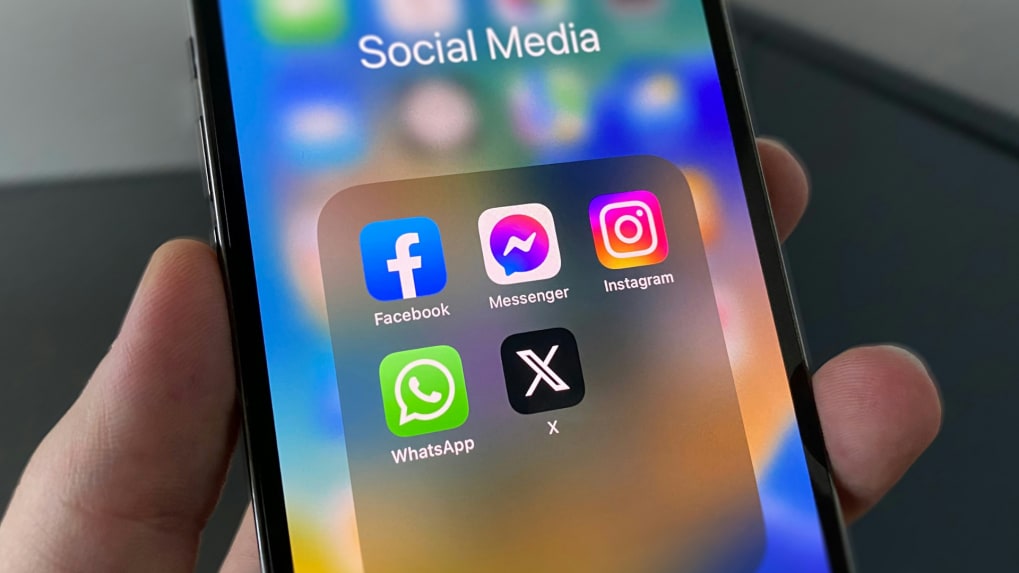
The UK government has initiated a nationwide consultation aimed at reshaping the landscape of social media access for children under 16. This three-month effort, which commenced on March 2, 2026, seeks to gather insights from parents and children regarding potential restrictions on social media, gaming platforms, and even AI-driven chatbots.
Among the proposals under consideration are establishing a minimum age for social media use, banning features that encourage prolonged engagement, and implementing overnight curfews for users under 16. Technology Secretary Liz Kendall emphasized the rising concern among parents about the amount of time their children spend on screens, the types of content they consume, and the overall implications for their mental health and sleep patterns.
Push for Stronger Online Protections
Prime Minister Keir Starmer has indicated that this initiative builds on the existing Online Safety Act, which took effect less than three years ago. The government views this consultation as a crucial step in ensuring that young users can safely navigate the rapid advancements in technology while still enjoying the benefits of digital innovations.
This move aligns with a broader international trend. Countries like Australia have already enacted legislation prohibiting social media use for individuals under 16, prompting other governments to explore similar legislation. The UK’s initiative reflects a growing awareness of the potential risks associated with unrestricted access to online platforms for young users.
Beyond social media, the consultation will also evaluate how children's access to AI-powered chatbots might be more tightly controlled. Policymakers are expected to review current age-verification systems to determine if stronger safeguards are necessary to protect young users from inappropriate content.
As part of this consultation, British officials plan to conduct real-world pilot programs involving families and teenagers. These trials will assess the practicality of potential restrictions, including age thresholds, online time limits, and enforcement mechanisms aimed at protecting children in an increasingly connected world.
In a significant move towards enhancing online safety, the government is also preparing to impose stricter regulations on technology firms, compelling them to remove non-consensual intimate images within 48 hours of notification. Companies that fail to meet this requirement could face fines of up to 10% of their global annual revenue, showcasing the UK’s commitment to safeguarding its younger population in the digital age.
The outcome of this consultation could potentially lay the groundwork for a new wave of digital regulation in the UK. As policymakers strive to balance innovation with child safety, this initiative stands to have lasting implications for how young people interact with technology and online platforms.
As these discussions unfold, the perspectives of parents, children, and industry stakeholders will be crucial in shaping a future that prioritizes both safety and the benefits of digital engagement.
You Won't Believe How This Meditation Tool Became a Billion-Dollar Lifestyle Brand! Discover the Shocking Secrets!

New Law Targets 10,000 Illegal Immigrants with CDL: What This Means for Your Commute!

Why Are Voters in Dallas City Hall in an Uproar Over THIS Primary Election? Shocking Revelations Inside!

Shocking Study Reveals 70% of Young Athletes Face Injury Risk: Is Specialization the Hidden Culprit?

High School Soccer Playoffs: Which Teams Will Clash for Glory – Shocking Matchups Revealed!

SHOCKING Loss: Men's Tennis Crumbles to Quinnipiac & Harvard—What This Means for Their Season!
You might also like: