
Brands Are Hiding Shocking Secrets: 7 Ways They Boost Nutrition Without Losing Flavor!

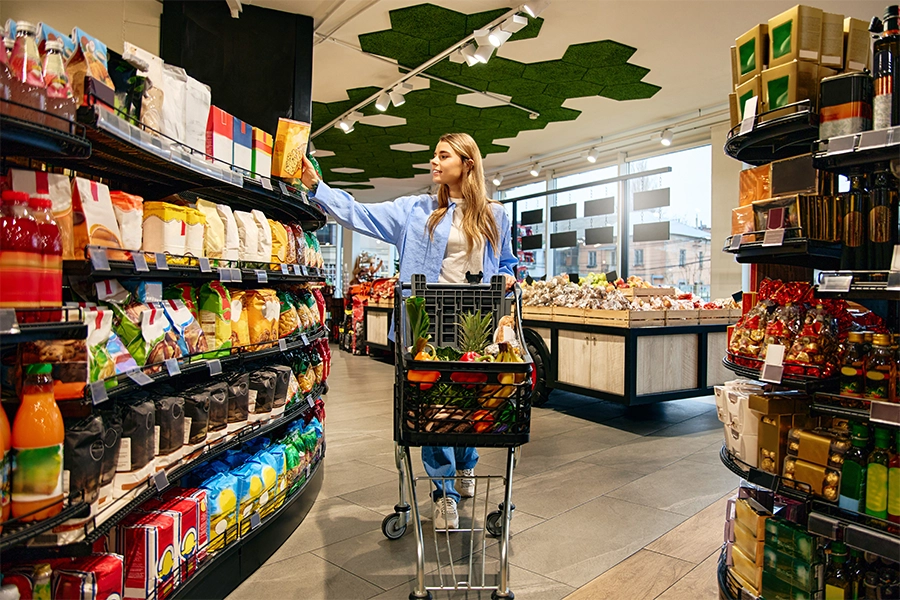
In recent years, the snack industry has undergone a significant transformation, where health has shifted from being a niche positioning to a consumer expectation. According to data from Innova Market Insights, 60% of global consumers prioritize protein content, while 55% look for fiber in their snacks. However, a staggering 74% still cite flavor, taste, and texture as the most critical factors in their snack choices. This dual demand for health and indulgence has prompted manufacturers to rethink their approaches to product formulation.
Gone are the days when snack reformulation merely entailed swapping out single ingredients. Today's manufacturers are adopting integrated systems that balance the fortification of protein, reduction of sugar, and adherence to clean label transparency—all without sacrificing sensory appeal. This evolution was evident at the recent ISM & ProSweets 2026 trade show, where it became clear that incorporating nutrition into mainstream snacks is paramount.
Dr. Sara de Pelsmaeker, Group Health & Well-being Director at Puratos, highlighted a compelling trend: 62% of consumers globally are actively seeking healthier versions of their favorite snacks. This shift indicates a move towards reformulating familiar products instead of launching entirely new "better-for-you" lines. “We’re seeing strong momentum around better-for-you fillings with less sugar and more real fruit,” she noted, emphasizing that the demand for higher-fiber and higher-protein formats is evident across various snack categories, including bars, bites, and muffins.
Cargill is also witnessing this transition. Quentin Schotte, F&B Commercial Marketing Manager at Cargill, remarked that brands are increasingly focused on reducing sugar, salt, and saturated fat while preserving the textures and flavors that consumers expect. “Success increasingly depends on how well protein, fiber, fats, sweeteners, and texturizers work together to meet nutritional targets while preserving the eating experience consumers expect,” he stated.
The push for cleaner label ingredients further complicates the equation for manufacturers. Heidi Clark, Director of Business Development and Innovation at MicroDried, explained that consumers now demand snacks that deliver real nutritional value without compromising on taste or convenience. “Using proprietary drying technology, we gently remove moisture while preserving the natural structure, flavor, color, and nutritional integrity of each ingredient,” she said, describing their range of 100% whole fruit and vegetable ingredients.
The structural changes in snack development signal that health is no longer a mere positioning layer. It is now the new baseline driving multi-functional formulations. The rising demand for plant-based and alternative proteins signifies that these ingredients have moved from niche to necessity. However, the current focus has shifted from novelty to enhancing sensory performance and nutritional balance. De Pelsmaeker pointed out that 29% of shoppers globally check product labels specifically for protein content, reflecting increased consumer awareness regarding protein intake.
As brands explore plant-based options, they are moving beyond reliance on single "hero" proteins, opting instead for blends that achieve nutritional targets while also considering cost and taste. Schotte noted that pea protein remains a widely used building block in Cargill’s snack portfolio, and innovations in fermentation are broadening formulation options as companies face increasing nutritional and regulatory pressures.
Flavor architecture also plays a critical role. Jamie Blake, European Category Development Manager at Synergy Flavours, stated that snacks have transformed from “salty, greasy” staples into value-added eating occasions where taste is non-negotiable. The growing trend of incorporating ingredients with higher protein—like peas, chickpeas, and lentils—into products like bars and baked bites is set to continue, aligning with consumer desires for snacks that provide health benefits rather than merely adding calories.
In this context, the use of natural colors is becoming more important. According to Nathalie Pauleau, Head of Global Product Management and Marketing at Givaudan Sense Colour, color sets expectations even before a product is tasted, affecting consumers' perceptions of flavor and health benefits. However, utilizing natural colors poses challenges, as high-heat processing can degrade color integrity. Givaudan has developed micronized pigment systems to address these issues, ensuring that natural colors can withstand the rigors of production while remaining visually appealing.
In conclusion, the snack industry is navigating a complex landscape where health and indulgence must coexist. As consumer expectations shift towards snacks that offer both nutritional benefits and sensory enjoyment, manufacturers are increasingly adopting innovative strategies to meet these demands. This ongoing evolution reflects broader trends in consumer behavior and health consciousness, indicating that the future of snacking will prioritize taste alongside health in meaningful ways.
Indonesia’s Shocking New Rule: Why Kids Under 16 Could Lose ALL Social Media Access!

Is Your Phone About to Become Obsolete? Shocking 7% Drop in Global Smartphone Shipments by 2026!

Jackie 'O' Henderson's Shocking $100M Exit: What Happens Next Will Leave You Speechless!

This Maine Village is Selling for Less Than a NYC Apartment—Don’t Miss Out on Your Own ‘Schitt’s Creek’!
Is Your Drinking Water Secretly Sabotaging Poultry Vaccines? Shocking Study Reveals the Hidden Risk!

Yongsoo Kim's Shocking Rise to President: What This Means for Webtoon and Your Favorite Series!
You might also like: