Bosnia’s Future Hangs in the Balance: Shocking Secrets Behind Dodik’s Successor Vote!

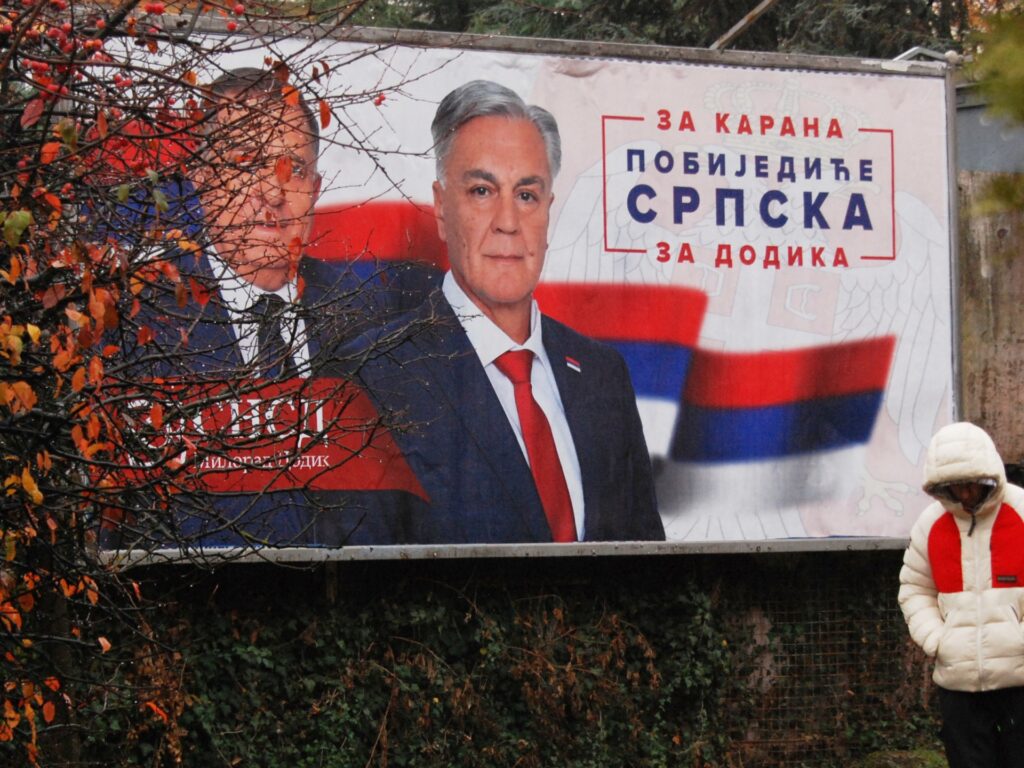
Republika Srpska, the Serb-majority entity in Bosnia and Herzegovina, is heading to the polls this Sunday for a snap presidential election. This election comes after the removal of Milorad Dodik, a prominent separatist leader, who was stripped of the presidency in August due to a court ruling that found him guilty of failing to adhere to decisions made by Christian Schmidt, the international peace envoy overseeing the implementation of the Dayton peace agreement that ended the Bosnian War from 1992 to 1995.
Dodik faced a one-year prison sentence but avoided incarceration by posting bail, along with a six-year ban from political activity. His removal was upheld by Bosnia’s top court in early November, prompting the National Assembly of Republika Srpska to appoint Ana Trisic-Babic as interim president until the election.
📰 Table of Contents
The Election Details
Voting will take place on Sunday, November 23, between 7 AM and 7 PM local time. Over 1.2 million eligible voters, spanning the country's three main ethnic groups—Serbs, Bosniaks, and Croats—are expected to participate. Historically, voter turnout for presidential elections in the region has hovered between 50% and 55%. Under law, elections must occur within 90 days following the removal of a president, and the winner will only serve the remainder of Dodik's term, which is less than a year, until the general elections in October 2024.
Preliminary election results are anticipated to be announced on election night, but the Central Election Commission will release the final count only after all outcomes have been validated.
Understanding Republika Srpska
Republika Srpska is one of two main political entities in Bosnia, the other being the Federation of Bosnia and Herzegovina. It occupies approximately 49% of the country's territory and has its own government, parliament, judiciary, and police, although it does not maintain a separate army. The entity was established in 1995 as part of the post-war constitutional framework resulting from the Dayton agreement.
With an overwhelming Serb population—around 82% according to the last census in 2013—Republika Srpska underwent significant demographic shifts during and after the war, which included the ethnic cleansing of non-Serb communities. Before the conflict, Bosniaks and Croats constituted about half of the population in the area now known as Republika Srpska.
The Stakes of the Election
This election is taking place at a particularly sensitive time for Bosnia. Since Russia’s invasion of Ukraine in 2022, Dodik—who has strong ties to Russian President Vladimir Putin—has ramped up calls for Republika Srpska to secede from Bosnia, potentially aligning with Serbia. The outcome of the election will not only determine Dodik's successor but also gauge his ongoing influence in the region despite his political ban.
Six candidates are vying for the presidency. The main contenders are Sinisa Karan, from Dodik's ruling Alliance of Independent Social Democrats (SNSD), who has been directly backed by Dodik, and Branko Blanusa from the opposition Serb Democratic Party (SDS). Karan, a former interior minister and member of Dodik's inner circle, is viewed as an extension of Dodik’s power. Meanwhile, Blanusa, a professor at the Faculty of Electrical Engineering at the University of Banja Luka, aims to address concerns over corruption and economic struggles within Republika Srpska.
The SNSD holds a strong majority in the National Assembly, which could bolster Karan's chances. Blanusa, however, has criticized the current administration, stating that under its leadership, Republika Srpska has become "impoverished, displaced, and isolated."
The Broader Implications
The political crisis in Republika Srpska poses significant challenges for Bosnia as a whole. The country's power-sharing system links the two entities closely, meaning that threats of secession can destabilize national governance. The elections, funded from the state budget, also place additional strain on Bosnia's economy, which is already one of the smallest in Europe, with the Central Election Commission allocating more than six million Bosnian marks (approximately $4 million) for this election.
International reactions to the elections are varied. The UK government has emphasized the importance of upholding the constitutional order established by the Dayton agreement, while Russia has shown support for the new interim administration. The U.S. has not publicly commented on the upcoming elections but recently lifted sanctions against Dodik and his associates, signaling a potential shift in diplomatic relations.
In summary, the elections in Republika Srpska are more than just a local political event; they are a crucial test of the region's stability and future direction amidst rising ethnic tensions and geopolitical influences. The outcome could significantly impact the political landscape not just in Republika Srpska, but across Bosnia and Herzegovina as well.
Tim Ryan Drops Out of Ohio Governor Race—What’s His SHOCKING Next Move? Here’s What You MUST Know!

Kiyosaki's Shocking Crypto Warning: Is Your Fintech Startup Doomed Without This Insight?

Europe’s Alarming Countdown: Is China’s Bus Tech a Hidden Security Threat? Shocking Revelations Inside!

You Won't Believe How Wiley's Men’s Soccer Shocked Everyone in NAIA First Round - Discover the Drama!

Is Strategy Inc. About to Shock Wall Street with a €620 Million Bitcoin Gamble? Find Out Now!

This London Football Team Is Turning Unknown Players into NFL Stars—Discover Their Secret Now!
You might also like: