
Bordeaux to Revolutionize Organic Wine: How Hyperspectral Tech Could Save Vineyards!

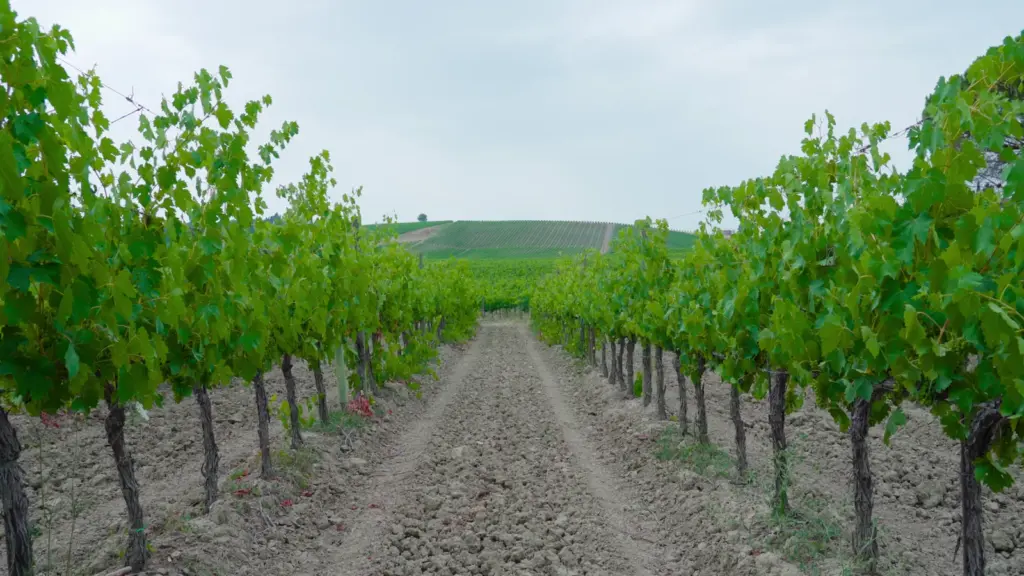
In a groundbreaking move for the wine industry, a Bordeaux organic wine estate has begun operational monitoring of its vineyards using hyperspectral satellites. This innovative initiative stems from a collaboration with a Finnish satellite analytics company, marking a significant shift in how viticulture can harness advanced technology. Traditionally, hyperspectral imaging in agriculture has been prohibitively expensive, largely limited to academic research. However, the rise of affordable small-satellite constellations is making practical applications in agriculture increasingly feasible.
📰 Table of Contents
Transforming Vineyard Management
The Bordeaux estate, owned by Finnish winemakers, has become the inaugural pilot site for this technology. The operational season will focus on collecting data to identify anomalies and correlations between satellite imagery and the actual health of vines. The long-term ambition is to develop actionable tools that vineyard management teams can utilize based on this data.
This project aligns with the estate's commitment to organic practices and its need to adapt to the unpredictable conditions presented by climate change. According to the estate's owners, the technology could facilitate earlier detection of various vineyard anomalies, which can ultimately save both effort and costs. Nevertheless, it's important to note that this technology will not replace the necessity for hands-on monitoring.
The Finnish satellite company, established in 2016, views vineyards as ideal environments for testing their imaging technology due to the biological complexity of these ecosystems. Minor physiological changes can significantly affect grape quality, making this collaboration a promising opportunity for advancing precision agriculture.
Future Implications for Wine Production
As the small-satellite constellation continues to expand, the company intends to provide more detailed imagery at higher frequencies. For winegrowers, this could result in the early identification of disease risks, improved mapping of variability within vineyards, and enhanced resource management and monitoring of conditions that impact grape quality. Both the Bordeaux estate and the satellite firm anticipate that this exploratory work will lay the groundwork for new applications not just in viticulture but also in broader agricultural practices.
The integration of hyperspectral satellite technology into vineyard management embodies a significant leap forward for the wine industry. As vineyards strive for sustainability and resilience in the face of climate challenges, these advancements could revolutionize how wine is produced, ensuring quality and efficiency in a sector that is both culturally important and economically valuable.
You Won't Believe Why This Celebrity is Suddenly Unavailable—The Shocking Truth Exposed!
You Won't Believe What Freeman and Rader Did to Dominate NWSL - Shocking Stats Inside!
Why This Abandoned Death Valley Town Closed in Just 2 Years Will Shock You!

Trump's Shocking Move: How He’s Changing the Future of the Army-Navy Game Forever!
GOP Governor Candidate Faces Unseen Challenge: Will He Be Stripped From the Ballot?

Luka Dončić's Shocking Technical Foul Ruling: What This Means for His NBA Future!
You might also like: