
Bitcoin Plummets Below $92K: Are Tariff Fears About to Trigger a Market Meltdown?

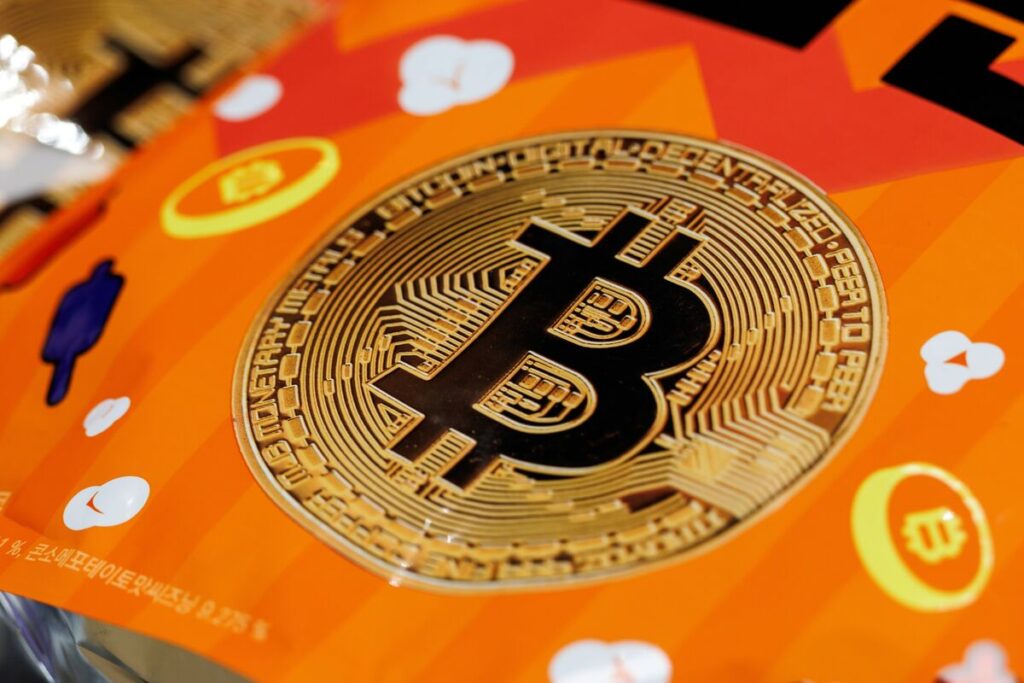
Cryptocurrencies took a significant hit as risk assets declined and demand for safe-haven investments strengthened following a proposal from former US President Donald Trump to impose new tariffs on eight European countries. This announcement sparked jitters in the market, leading to a sharp sell-off in digital assets.
On Monday morning, Bitcoin, the largest cryptocurrency by market capitalization, fell as much as 3.6%, dropping below $92,000. Other cryptocurrencies experienced even steeper declines. Ethereum, the second-largest digital asset, lost 4.9% of its value, while Solana saw a substantial drop of 8.6%.
The impact of geopolitical tensions on financial markets is not new. Trump's tariff proposals, aimed at countries such as France, Germany, and Italy, tend to create a ripple effect through various sectors, including technology and finance. Investors often respond to such uncertainties by reallocating their assets from riskier investments, like cryptocurrencies, to more stable options such as government bonds or gold.
This market behavior underscores the fragility of cryptocurrencies in the face of external pressures. Unlike traditional currencies, which are influenced more by local economic conditions and central bank policies, digital currencies are particularly sensitive to global sentiment and regulatory news. The swift decline in their values emphasizes how intertwined these assets are with both domestic and international politics.
For many investors, the appeal of cryptocurrencies lies in their potential for high returns. However, as this recent downturn illustrates, the volatility can be substantial. Digital currencies often experience dramatic price swings based on factors that might seem disconnected from their inherent value. This raises the question of whether cryptocurrencies can ever achieve the same level of stability as traditional currencies or if they will continue to serve as speculative assets.
As cryptocurrency enthusiasts look toward the future, the broader implications of such market movements remain to be seen. Investors will need to weigh the risks carefully, particularly in a climate where political decisions can have immediate and far-reaching consequences.
In summary, the recent plunge in cryptocurrency values serves as a reminder of the delicate balance between market sentiment and geopolitical developments. As the economic landscape continues to evolve, investors will need to stay vigilant and perhaps reconsider their strategies in an increasingly complex financial world.
Could Tesla’s Recent Plunge Be Hiding a $100 Billion Opportunity? Investors Must Know NOW!

Is Your Snack Choice Doomed? The Healthy Snacks Market Will Explode to $207.8B by 2035!

World-shaking legacy: What the death of the 91-year-old scientist means for future vaccines!

You Won't Believe What Pellegrino Matarazzo Just Revealed—This Shocking Confession Will Change Everything!

Are We Really This Close? 2°C Rise by 2050 Could Spell Disaster—Find Out What You Need to Know!

Are You Drinking Toxic Water? The Shocking Truth About PFAS and Your Health!
You might also like: