
Bitcoin on the Brink: Will $65,000 Hold Amid Explosive Middle East Crisis? Don't Miss This!

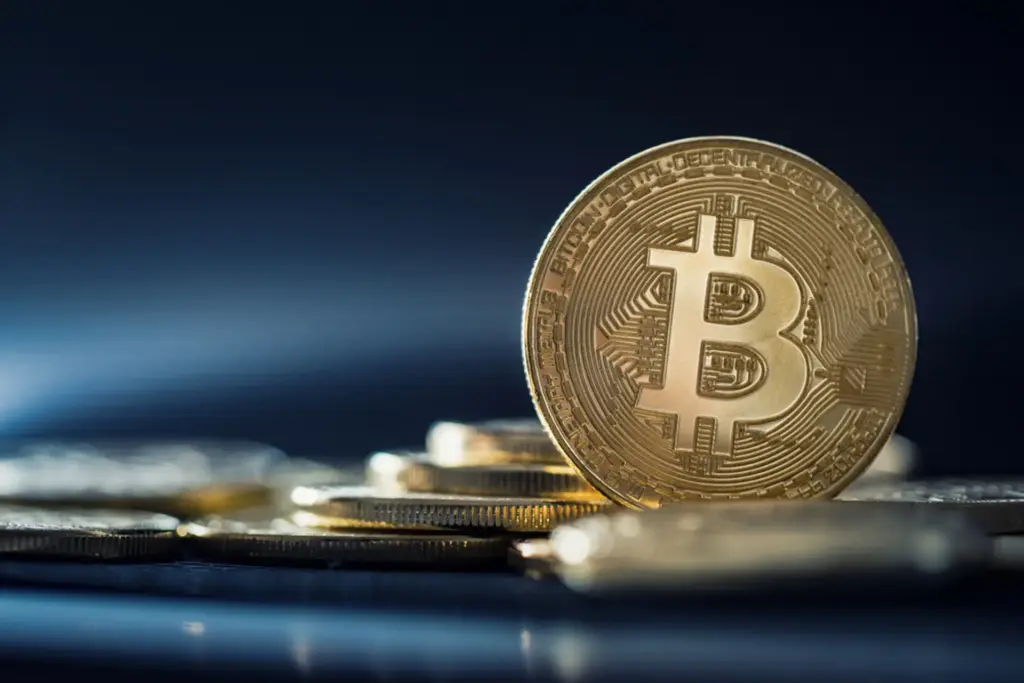
The cryptocurrency market continues to showcase unexpected resilience in the face of significant geopolitical risks, particularly those emerging from the Middle East. According to recent analysis by Jurrien Timmer, the director of global macro at Fidelity Investments, this robustness indicates a shift in the market dynamics that could have profound implications for investors.
In an analysis shared on June 12, Timmer noted that while the current environment remains volatile, it does not warrant excessive pessimism about the future. He believes that the markets are partially pricing in a scenario where tensions surrounding Iran might ease sooner rather than later. This outlook is supported by the current structure of the oil market, where despite crude prices soaring above $100 a barrel, the futures market remains in backwardation. This suggests that market participants view the current supply shock as a temporary bottleneck rather than an enduring crisis.
In traditional financial markets, a similar trend has been observed. For instance, the S&P 500 index previously dropped about 9% but has since rebounded significantly, leaving it only about 1% down from its peak. Furthermore, credit spreads have stabilized, indicating that systemic risk remains limited.
Turning to the cryptocurrency market, Timmer observed that selling pressure has significantly eased. Bitcoin has experienced a considerable decline of 50% to 60% from its peak, effectively flushing out a substantial amount of speculative short-term capital. This scenario has left a more resilient group of investors in control of the market, which they hope could signal a potential bottom around the key support level of $65,000.
Interestingly, Timmer pointed out a notable behavioral shift in Bitcoin, suggesting that it has begun to trade more like gold in recent times. This trend is particularly striking given that gold has displayed volatility more commonly associated with Bitcoin, indicating a change in the correlation dynamics between these two significant assets.
However, Timmer cautioned that a prolonged crisis in the Middle East could potentially deliver a more substantial shock to markets. With approximately 20% of the world's oil supply passing through the Strait of Hormuz, any extended disruption in this region could elevate the risk of stagflation—characterized by rising inflation coupled with stagnant economic growth.
Despite these challenges, Timmer remains optimistic about the current market trajectory, describing it as being in a medium-term expansion phase. He emphasized the importance of navigating through volatility and noted that investors could discover opportunities by acting as liquidity providers instead of being reactive to short-term price swings. As the market continues to evolve amidst geopolitical uncertainties, those who can maintain their composure may find themselves well-positioned for future gains.
Massachusetts High School Employee's Shocking TikTok Sparks Police Investigation—What They Discovered Will Leave You Speechless!

You Won't Believe This 39-Year-Old Real Estate Agent's Shocking Secret to Competing in the Masters!

Is Chet Holmgren's ALL-NBA Dream at Risk? Shocking Stats You MUST See!

You Won't Believe Who Died in The Boys Season 5—This Shocking Twist Changes Everything!
Aussies Are Desperate: This New Mobile Tech Could Change Everything—Will You Miss Out?

White House's Shocking Move: Banks Must Use Anthropic or Face Devastating Cyber Threats!
You might also like: