
Biochar Could Change Everything: Are You Ready to Miss Out on this $1 Trillion Carbon Market?

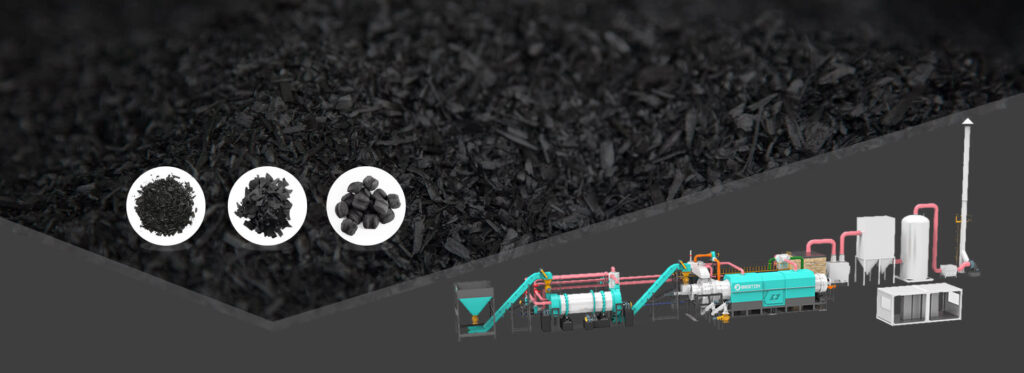
As the world grapples with climate change, innovative solutions are increasingly becoming vital. One such solution is biochar, a carbon-rich substance created through a process called pyrolysis. This method involves heating organic materials—ranging from agricultural waste and wood to certain plastics—in an oxygen-free environment. The outcome is three products: gas, liquid bio-oil, and solid biochar. Unlike organic matter that naturally decomposes and releases carbon dioxide (CO₂) into the atmosphere, biochar remains stable in soil for hundreds or even thousands of years, effectively locking away carbon that would otherwise contribute to climate change.
Biochar’s capacity for carbon sequestration makes it a powerful tool for mitigating climate change. By integrating biochar into soil, we not only reduce atmospheric CO₂ levels but also enhance soil health, boost fertility, and improve water retention—benefits that extend well beyond climate change mitigation.
Biochar's Role in Carbon Markets
The rise of voluntary carbon markets presents an important opportunity for organizations and individuals aiming to offset their carbon emissions. These markets allow entities to purchase carbon credits as compensation for their own emissions, thereby investing in projects that effectively reduce or capture carbon dioxide elsewhere. Biochar is becoming increasingly significant in these markets due to its effectiveness in sequestering carbon. Projects incorporating biochar can generate carbon credits, which companies can buy as part of their strategies to achieve carbon neutrality.
To qualify for carbon credits, biochar projects must meet strict verification standards, ensuring that the carbon sequestered is measurable, additional, and permanent. Recognized programs like the Verified Carbon Standard (VCS) and Gold Standard have begun to acknowledge biochar as a legitimate carbon offset project. With growing demand for carbon credits, the role of biochar in these markets is expected to expand, potentially providing a new revenue stream for farmers, landowners, and businesses involved in biochar production.
Despite its promise, scaling the production of biochar to meet the increasing demand poses challenges. Traditional production methods are often inefficient, labor-intensive, and ill-suited for large-scale operations. However, advancements in biochar machines are revolutionizing biochar production. These modern machines utilize advanced pyrolysis technology to process large quantities of biomass quickly and with minimal energy consumption. Automated systems guarantee consistency and scalability, allowing for mass production while maintaining high-quality standards.
By enhancing the efficiency of biochar production, these machines help lower costs and make biochar more accessible for various industries, including agriculture, construction, and energy. They also play a critical role in ensuring that biochar can meet the demands of the voluntary carbon market by providing a reliable, large-scale supply.
The environmental advantages of biochar extend beyond mere carbon sequestration. When applied to soil, biochar contributes to:
- Enhanced soil fertility: It improves soil structure, increases nutrient retention, and reduces soil acidity, leading to healthier plants and greater agricultural yields.
- Improved water retention: Biochar's ability to absorb and retain water is particularly beneficial in drought-prone areas, enhancing crop resilience and reducing water usage.
- Reduced methane emissions: Biochar can also capture methane emissions from livestock waste, further lessening the environmental footprint of farming.
From an economic perspective, biochar holds the potential to generate new jobs and business opportunities. Establishing biochar production facilities and expanding the market for biochar-based products contribute to the economy while also addressing climate change.
In summary, biochar is not merely a byproduct of biomass; it is a potent tool for carbon sequestration and soil enhancement. As the development of advanced biochar machines continues, production becomes more efficient and scalable, paving the way for businesses and communities to engage in meaningful climate change mitigation efforts. The increasing focus on reducing emissions and fostering sustainable systems positions biochar as a promising and innovative solution. By unlocking its full potential, we can take significant strides toward a carbon-neutral future.
Record Ocean Heat Hits 101°F—What This Shocking Rise Means for Your Future!

You Won't Believe the 10 Eye-Opening Experiences That Define True Culture – Are You Missing Out?

Aussie Jacob Chance's Shocking Strategy: Will He Save the Spurs from Total Collapse?

Wrexham's Shocking FA Cup Upset: How They Stunned Forest in a 6-Goal Thriller! You Won't Believe the Drama!

Shocking Decision: Washington National Opera Makes Unexpected Exit from Kennedy Center – What This Means for Opera Lovers!

Oregon vs. Indiana Peach Bowl: The Shocking Upset You Won't Believe Unfolding Now!
You might also like: