
Binghamton University Just Landed $2.5 Million for a Groundbreaking Vaccine—Here’s What You Need to Know!

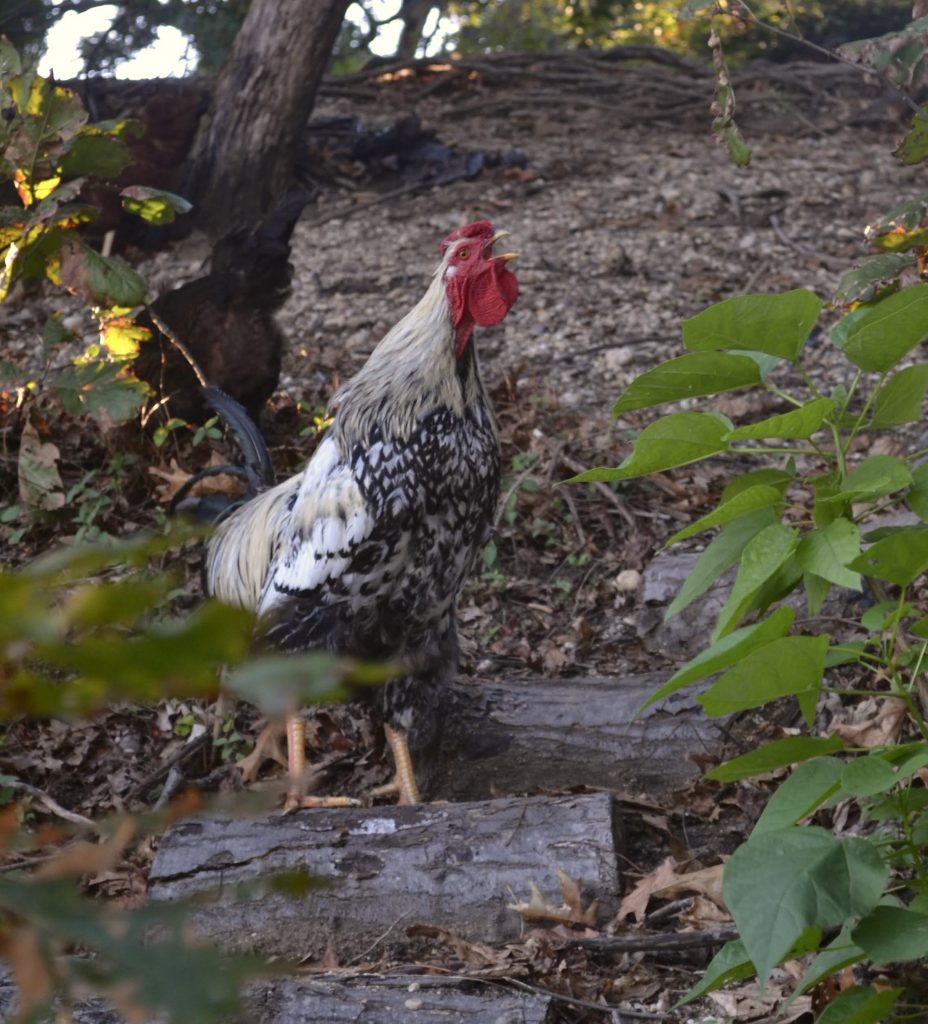
In a significant stride toward combating avian influenza, Binghamton University has announced a groundbreaking project spearheaded by Sha Jin, a professor of biomedical engineering. The university recently secured a $2.5 million grant from the U.S. Department of Agriculture’s Animal and Plant Health Inspection Service to develop a yeast-based vaccine aimed at protecting poultry flocks from both current and emerging strains of this viral infection.
Avian influenza, commonly known as “bird flu,” primarily affects birds but can also infect humans through contact with contaminated poultry. According to the U.S. Centers for Disease Control and Prevention, the public health risk from avian flu remains low, with only 71 confirmed cases in the United States since 2024. However, the historical impact of avian diseases on human populations is profound—most notably the 1918 influenza pandemic, which originated from infected birds and resulted in approximately 50 million deaths worldwide.
The urgency for effective vaccines is underscored by the financial impact of the ongoing outbreak of the H5N1 virus, which has already cost the U.S. poultry industry over $1.4 billion as of November 2024, according to the American Veterinary Medical Association. Jin's innovative approach promises a more reliable and scalable solution than current vaccines, which are often limited in production and efficacy.
Jin emphasizes the advantages of yeast-based vaccines, stating, “They can be produced at large scale using existing bioreactors with low-cost culture media, are stable for storage and transport at room temperature, and support differentiation of vaccinated birds from naturally infected animals.” These attributes not only make them more practical but also suggest a safer option, as preliminary studies indicate no severe side effects in mice—hinting at potential safety for human applications as well.
To assess the effectiveness of these vaccines, Jin and her team will experiment with various yeast-based formulations to observe their immune responses in vaccinated chickens. Following this, they plan to expose these birds to different live viral strains to evaluate the vaccines' protective capabilities. Collaborating with Pennsylvania State University, which houses essential biosafety level 3+ laboratories, Jin's team will benefit from the institution's expertise in handling potentially lethal airborne pathogens and conducting live studies with birds.
The research is particularly vital given recent reports from New York’s Department of Agriculture and Markets, which noted that 70 flocks statewide have tested positive for avian influenza in the past four years. While these infected birds have been quarantined, the threat to public health remains low, indicating the importance of proactive measures like vaccine development.
“Binghamton University is committed to research that is not only innovative but impactful, and Dr. Jin’s research project exemplifies that commitment,” stated a university spokesperson. “Her approach, which uses readily available ingredients, offers a simpler, easier-to-manufacture, and easier-to-transport pathway to fighting avian flu.”
Another key advantage of yeast-based vaccines is their adaptability. As noted in an article co-written by Jin in the Journal of Immunology Research, yeast can be “rapidly engineered to express new antigen targets,” making it possible to respond quickly to evolving viral strains. This flexibility is crucial as the avian influenza virus has the potential to mutate and present new challenges.
In summary, Jin's research may not only contribute to safeguarding poultry flocks but also provide a foundation for future vaccine strategies against avian influenza. With the potential for real-world impact and the promise of a responsive vaccination system, this research represents a significant leap forward in avian health and public safety.
Unlock Incredible Deals: Why This July's China Trade Fair Is a Must-See for Home Lovers!

Shocking Leadership Shift: How Melanie Smith's New Role as CEO Could Change ATG Entertainment Forever!

Why Are Environmental Groups Outraged Over Governor McKee's Shocking Renewable Energy U-Turn?

You Won't Believe What Happened at the Super Bowl LX Halftime Show Rewatch Party—Find Out Why Everyone's Talking!
Is Your Browser Putting You at Risk? 7 Shocking Facts You NEED to Know NOW!

Archie Williams' Unbelievable Comeback: How He Shocked Everyone in the Final Moments!
You might also like: