
Bill Gates Just Warned: The AI Bubble Could Cost You $1 Trillion – Are You Prepared?

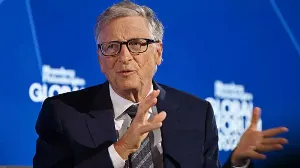
In a recent interview with CNBC, Bill Gates, the co-founder of Microsoft, expressed concerns about the burgeoning field of artificial intelligence (AI) and the potential for a financial bubble akin to historical speculative manias. Gates highlighted the significant influx of capital into AI investments, particularly impacting major tech firms, including chip manufacturers like Nvidia and various startups. He questioned whether the current excitement indicates an imminent bubble, drawing parallels to the 17th-century tulip mania in the Netherlands.
Despite these concerns, Gates emphasized that the fundamental potential of AI sets it apart from past speculative bubbles. "They were just tulips," he stated, contrasting this with AI, which he described as "so profound and therefore its influence is hard to overstate." Gates likened the current surge in AI investment to the early days of the internet, a period characterized by substantial funding and numerous failures. However, he underscored that the real concern lies not only in the existence of an AI bubble but also in how tech companies manage the associated challenges of potential failures, energy demands, and workforce changes while harnessing AI's transformative capabilities.
The implications of AI extend far beyond mere financial speculation. Gates pointed to the technology’s potential to revolutionize sectors such as healthcare, education, and drug design. He noted that AI could offer personalized medical advice and act as individualized tutors, speeding up drug development processes. "A ton of these investments will be dead ends," he acknowledged, yet he firmly believes that the transformative benefits justify ongoing engagement in AI research and development.
However, the journey into AI development is fraught with risks that keep technology executives on edge. Gates highlighted specific challenges, including the high costs of electricity in certain regions that complicate the establishment of data centers, as well as investments in chip technologies that may become obsolete before they can be fully monetized. Nevertheless, Gates asserted that withdrawing from AI development is not a feasible option for technology firms. "If you want to be a tech company, you don’t get to say, ‘No, let’s check out of this race,’" he remarked.
Beyond the financial and technological hurdles, Gates also addressed the significant social implications of AI's rise. He urged for strategic locations of data centers to mitigate the burden of higher electricity costs on consumers. His involvement with the nuclear energy company Terrapower reflects his commitment to finding sustainable energy solutions that align with technological advancement.
Furthermore, Gates expressed candid concern over the anticipated effects of AI on the job market. "It’s only honest for people to speak frankly about the fact this will have a big effect on the job market," he said, predicting that the ramifications would become evident in the coming years. As companies embrace AI, the dialogue surrounding its societal and economic impacts becomes increasingly critical.
The landscape of AI investment is complex and multifaceted, involving not just financial speculation but profound changes in how society functions. Gates’s insights shed light on the dual-edged sword of innovation—offering incredible potential while posing significant risks. As technology continues to evolve, the future of AI remains a pivotal topic that will undoubtedly influence the economic, social, and technological fabric of society.
You Won't Believe What Exchange Bank Did with $35,000 for Atrium Health—This Could Change Everything!

You Won't Believe What Happened Behind the Scenes of Subway Oracle—The Shocking Truth Revealed!
White House Press Sec’s SHOCKING Attempt to Spin Mamdani Meeting: What Are They Hiding?

Jaylen Brown's SHOCKING Rant After Celtics' 30-Point Blowout: Is This the End for the Team?

Trump’s Policies Cost Republicans BIG: Discover the Shocking Bill They’ll Face in the Midterms!
Is Park City's Election Really Over? Shocking Recount Reveals Controversial Votes!
You might also like: