
Bears Are Breaking Into Backyards Early—Is Your Home Next on Their Buffet List?

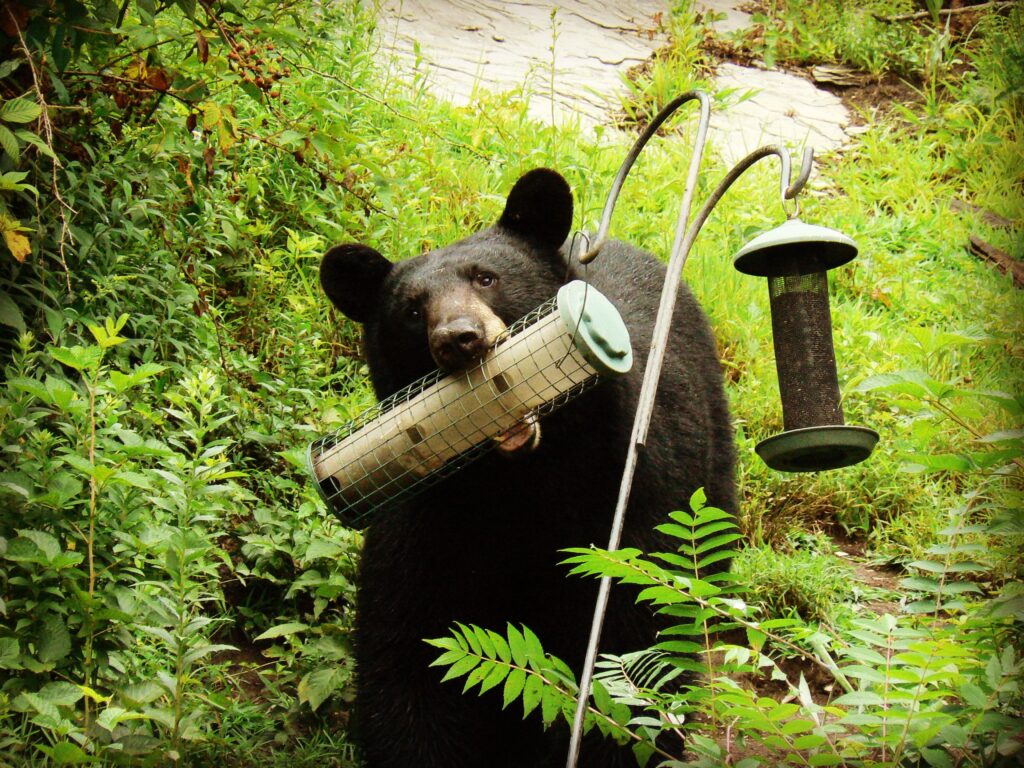
As spring emerges across Vermont, residents may find themselves sharing their backyards with an unwelcome visitor: the black bear. These curious creatures are on the hunt for food after emerging from hibernation, and backyard bird feeders can be an enticing target.
The Vermont Fish and Wildlife Department reports a significant increase in bear incidents over the past decade. While some of this rise can be attributed to improved reporting systems, it also reflects a broader issue related to the state's growing bear population and increasing human encroachment on bear habitats. Jaclyn Comeau, a bear biologist with the department, notes, “We have slowly been teaching our bears that our backyards are a good place to find high-calorie, easily accessible foods.” This adaptation has become a learned behavior, passed down from mothers to their cubs, reinforcing the cycle of bear-human conflict.
According to the latest estimates, Vermont's bear population has risen from approximately 4,000 to 6,000 bears in 2018 to between 6,500 and 8,000 by 2024. This increase nearly doubles the department's population goal of 3,500 to 5,500 bears. The earlier emergence of bears from their dens—now occurring around mid-March rather than April 1—can also be linked to climate change, which has led to shorter and milder winters in the region, Comeau explains.
Vermonters are urged to take proactive measures to prevent these natural scavengers from raiding their backyards. “Don’t wait until the bear gets into your garbage before you find a more secure way to store it,” Comeau advises. Early actions can include taking down bird feeders, properly storing garbage in bear-resistant containers, and using electric fences around chicken coops and beehives. These strategies not only help keep bears at bay but also protect the animals from having to rely on human food sources.
Human development plays a significant role in increasing bear encounters. As towns grow and habitats become fragmented, bears are forced to navigate through human-inhabited areas more often. Tom Rogers, executive director of Stowe Land Trust and a former bear conflict specialist with the Fish and Wildlife Department, emphasizes, “We are encroaching on bear habitat more and more.” He suggests that conservation efforts, such as protecting wildlife corridors like the Shutesville Hill corridor that connects the Green Mountains and the Worcester Range, can help mitigate these conflicts. Such initiatives not only benefit bears but also support other wildlife species, including moose and deer.
The presence of out-of-state tourists in areas like Stowe has further complicated the issue; many are unaware of best practices for preventing bear encounters. Community education becomes essential in helping visitors adhere to safety measures that reduce the likelihood of attracting bears.
Climate change's effects extend beyond black bears, influencing the ecology of Vermont as a whole. Species such as snowshoe hares and short-tailed weasels depend on snow cover for camouflage from predators, and shifts in snowpack can leave them vulnerable. Small mammals, which rely on deep snow for insulation, face similar threats from fluctuating winter weather patterns. Rogers stresses that protecting wildlife habitats is increasingly critical as climate change continues to impact the ecosystem.
As spring arrives and bears begin to venture into human spaces, understanding their behavior and taking preventative measures can foster a more harmonious coexistence between Vermonters and their wildlife neighbors. The responsibility lies with the community to adapt and protect both their own interests and the natural world around them.
Is Takaichi Japan's Secret Weapon? The Shocking Link to Trump That Could Change China Forever!
Your Browser is Holding You Back: 7 Shocking Reasons You NEED to Upgrade NOW!

8,000 Vaccines Distributed in 3 Days! Are Students at Risk for a Deadly Meningitis Surge?

Is Robert F. Kennedy Jr. Igniting a Vaccine Crisis? The Alarming Numbers You Must See!

Delta Air Lines Just Unveiled a Shocking Inflight Tech Upgrade—Are You Missing Out on This Game-Changer?
Your Browser is Outdated—Discover the Shocking Risks You Face If You Don't Upgrade NOW!
You might also like: