
Bangladesh's Measles Crisis: Are 1.5 Million Unvaccinated Kids Facing a Deadly Epidemic?

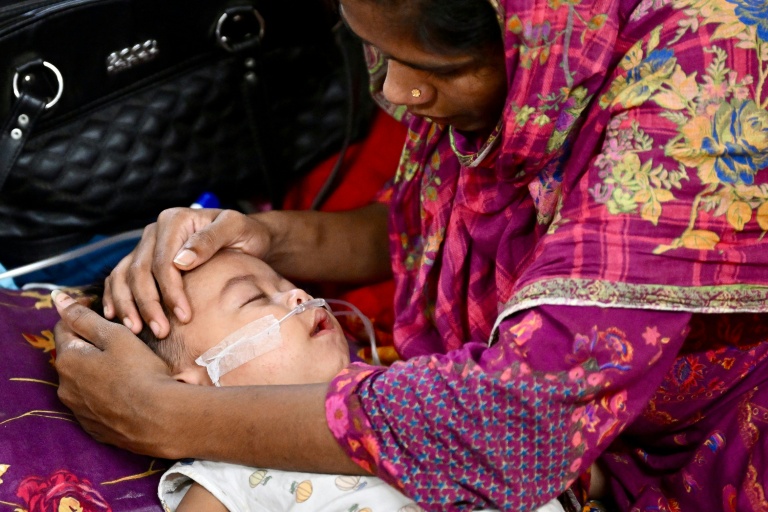
In the heart-wrenching backdrop of a measles outbreak in Bangladesh, 18-year-old Rubia Akhtar Brishti is a mother battling against the odds. As she rocks her feverish one-year-old son, Minhaz, in her arms, she recounts the struggle: "The boy had high fever and found it hard to breathe. His whole body had rashes." Since March 15, the outbreak has claimed at least 143 lives, predominantly young children, with more than 12,000 suspected cases reported—the most severe incident of its kind in Bangladesh in 20 years.
Frantic for help, Brishti, like many others, has traveled from her village to the capital, Dhaka. The DNCC Hospital in Mohakhali, initially established to combat COVID-19, is now overwhelmed with measles patients. The ward echoes with the sounds of coughing and the cries of desperate mothers. Many hold nebulizers over their children's mouths, helping them gasp for air as their bodies suffer from a devastating rash.
Measles, recognized as one of the world’s most contagious diseases by the World Health Organization, spreads rapidly through respiratory droplets from coughs or sneezes. While it can afflict individuals of any age, children are particularly vulnerable, with the potential for severe complications including brain swelling and significant breathing difficulties.
Nusrat Jahan, another mother in the hospital, shares her anguish as both of her infants are ill, separated in different wards. "One is admitted on the first floor and another is on the second floor," she laments, expressing the pain of being caught between her children's cries. "Both the babies are suffering." Jahan lost their vaccination cards, which led to them missing crucial measles shots, emphasizing a tragic reality many families face.
Despite Bangladesh's strides in vaccination against infectious diseases, the current outbreak demonstrates the critical gaps that remain. A measles vaccination drive set for 2024 was postponed due to political turmoil following the overthrow of Sheikh Hasina's government. Many families affected by the outbreak come from regions with limited access to vaccinations. Yasmin Khatun, the grandmother of one-year-old Safwan, illustrates this struggle. "We took him to the center, but there were no vaccines available for measles," she says, highlighting a system under strain.
In response to the escalating crisis, health authorities launched an emergency measles-rubella campaign on April 5, aiming to protect over 1.2 million children in collaboration with UN agencies. However, health officials acknowledge that coverage must be nearly universal for vaccines to be effective. Spokesperson Zahid Raihan reported that among the affected children, only 17 percent had received a single dose, while merely 11 percent had received two doses. "In the absence of herd immunity, children can still get infected even after vaccination," Raihan explained, stressing that 95 percent coverage is essential to prevent further outbreaks. Yet last year, coverage stood at only 59 percent.
The most severely affected areas include the densely populated capital, Dhaka, and the crowded refugee camps of Cox's Bazar, where over a million people reside. Golam Mothabbir from Save the Children Bangladesh warns of the potential for ongoing public health crises. "We know that if not enough vaccines are administered or if the vaccine campaign isn't sustained, the outbreak will continue to spread, and pediatric wards will continue to fill," he cautions.
This tragic outbreak serves as a stark reminder of the importance of maintaining high vaccination rates and ensuring access to healthcare for vulnerable populations. The experiences of mothers like Rubia and Nusrat highlight the urgent need for systemic improvements in healthcare access and vaccine distribution, particularly in underserved areas. As Bangladesh navigates this public health crisis, the health of its children hangs in a precarious balance, underscoring the critical importance of vaccination efforts in combating preventable diseases.
NBA Shocker: LeBron’s 50-Point Game Ignites Controversy—You Won't Believe What Happened Next!

You Won't Believe What Happens When Gamers Use This Groundbreaking Liquid-Cooled Smartphone!

Flutter Entertainment Stock Plummets 15% Overnight: Are You Missing This Shocking Reason?

Siblings from East Palestine Shock The Nation: You Won't Believe Their White House Egg Roll Experience!

Unlock the Future: 3 Shocking Infusion Trends That Could Save Your Life—#2 Will Leave You Speechless!

You Won't Believe What Happens at Lafayette's Ultimate Fitness Festival—Only 3 Days Left!
You might also like: