Austria's Shocking New Law: Why Kids Under 14 Will Be Banned from Social Media—Parents, You Need to Know!

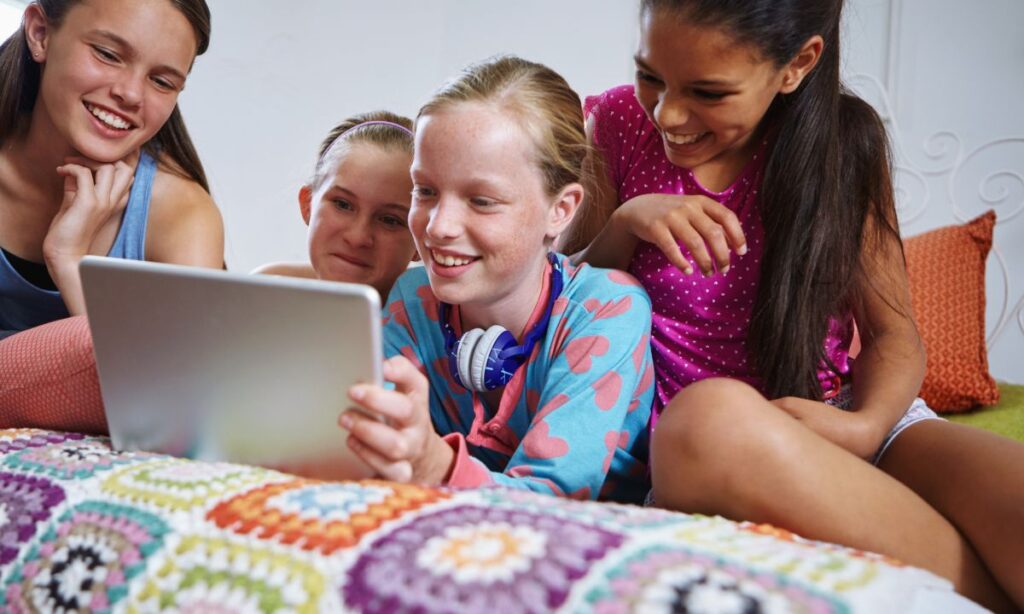
Austria has joined a growing list of nations taking a stand against social media usage among minors. On Friday, the Austrian government announced it will ban social media access for children under the age of 14, a move aimed at addressing rising concerns over addiction and safety issues associated with online platforms. The decision comes after months of negotiations among the country’s three-party coalition government, which is composed of the Social Democrats, the People's Party, and the Greens.
The Vice Chancellor, Andreas Babler, emphasized the importance of protecting children from the detrimental effects of social media. "We will no longer stand by and watch while these platforms make our children addicted and often also sick," he stated during a press conference. He also highlighted that the risks associated with social media usage among children had been ignored for too long, signaling that it was time for action.
Junior minister for digitization, Alexander Pröll, echoed these sentiments, stating that the government is committed to introducing a compulsory minimum age of 14 for using social media platforms. The proposed legislation, which is expected to be drafted by the end of June, will include "technically modern methods" of age verification that respect user privacy. However, specifics on the implementation date and enforcement mechanisms remain unclear, as the legislation will require parliamentary approval before coming into effect.
This legislative proposal aligns with global movements scrutinizing the impact of social media on youth. Austria is not alone; countries like Australia have enacted similar bans, with a social media restriction for users under 16 implemented in December 2025. Other nations have also initiated discussions around similar measures, reflecting a growing international trend towards stricter regulations on social media access for minors.
The Austrian plan not only aims to limit social media access but also seeks to enhance media literacy among young people. Starting in the 2027-28 school year, the government plans to reform school curricula to strengthen education on media consumption and artificial intelligence, equipping children with skills to navigate the digital landscape safely.
As Vice Chancellor Babler pointed out, the measures are designed to protect children in the digital world similarly to how governments regulate substances like alcohol and tobacco. "Today is a good day for children in our country," he affirmed, emphasizing the necessity of legislative action in safeguarding young users from potential online harm.
This announcement arrives at a critical time when courts and regulators worldwide are increasingly examining social media design features and their effects on developing brains. With rising concerns regarding addiction, exposure to harmful content, and the spread of misinformation, the Austrian government's decision may set a precedent for further actions in Europe and beyond. As the world grapples with the implications of social media, Austria's proactive stance reflects a commitment to prioritizing the health and well-being of its youngest citizens amid the complexities of digital life.
Florida Influencer Clavicular Arrested for Shocking Battery: What She Did Will Leave You Speechless!

Is Your Retirement at Risk? Shocking 40% Market Plunge Could Change Everything!
Is Your Browser Leaving You Vulnerable? Discover the Shocking Risks You MUST Address NOW!

Shocking Truth: 5 Vaccines You’re Overlooking That Could Save Your Life—Find Out Now!

You Won't Believe These 25+ Phone Deals in Amazon's Spring Sale—Act NOW Before They're Gone!
You Won't Believe What Governor Sherrill Revealed at the Shocking No Kings Rally! 5 Surprising Consequences Await!
You might also like: