
Australia's Fairy Wren Faces IMMINENT EXTINCTION! Are We Losing This Stunning Bird Forever?

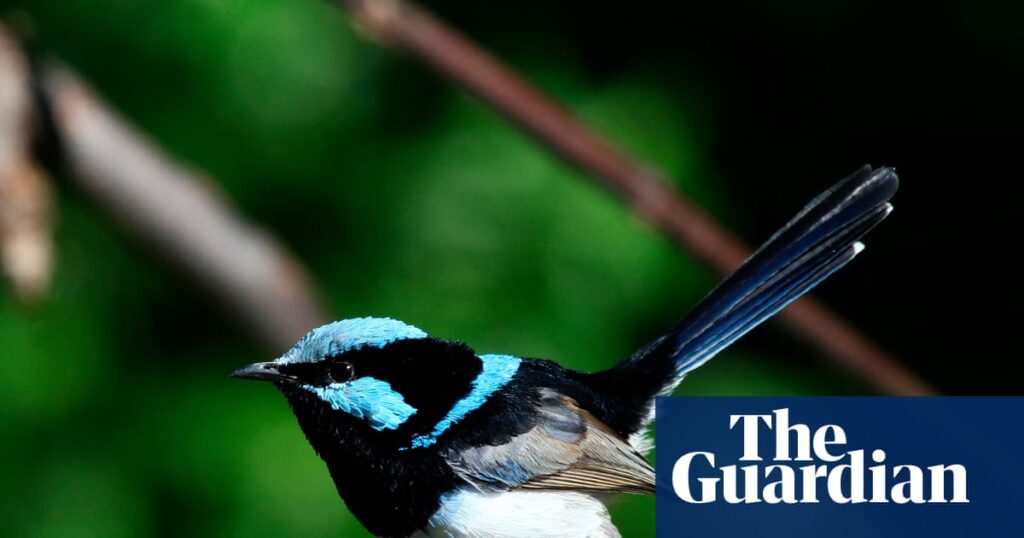
A beloved fixture in Australian gardens, the superb fairy wren, faces a dire future. Research indicates that this small, colorful bird could go extinct within the next 30 to 40 years due to the compounded effects of climate change. This alarming prediction stems from nearly three decades of meticulous observation conducted in Canberra’s botanic gardens, where scientists have meticulously tracked the lives of these birds.
The superb fairy wren has won the hearts of Australians, being voted the nation’s favourite bird in both the 2013 and 2021 Guardian/BirdLife Australia bird of the year polls. However, researchers warn that the wren may serve as a “canary in a coalmine,” signaling the plight of numerous lesser-known species that might be similarly threatened by climate change.
Martijn van de Pol, an ecologist at James Cook University and senior author of the study, collaborated with researchers from the Australian National University and Hainan University in China. The long-term observations conducted by researcher Helen Osmond revealed that various weather-related factors have a cumulative impact on the survival prospects of the superb fairy wren. “What’s really dangerous for these birds is that there are all these climate impacts throughout the year and together they start to add up and affect them,” Van de Pol explained.
The research suggests that the extinction of the superb wren could occur rapidly, especially under scenarios of intermediate and very high carbon emissions. “Population extinction is likely to happen very fast; within the next 30–40 years,” the study states. Furthermore, human-induced climate change poses a high risk of population extinction within the next 50 years, even under optimistic emission scenarios. According to Van de Pol, the wren has suffered low breeding success during dry springs and reduced adult survival rates following unusually warm winters and hot summers.
Dr. Holly Parsons, a manager of priority sites at BirdLife Australia, noted the emotional connection many Australians have to the superb fairy wren. “They’re cute, colorful, and fun to watch hopping around on the lawn,” she said. Once commonly found in urban areas across southeastern Australia, the superb fairy wren is now increasingly rare in these environments. In addition to climate change, habitat loss due to urban development and threats from predators like cats and foxes have contributed to their decline. Parsons emphasized that as urban areas expand and habitats are altered, the species has become significantly less common.
The findings of this study are particularly alarming given that they reveal climate change impacts across all stages of the bird’s life, an issue that many once thought was limited to rare species. Van de Pol pointed out, “People thought rare birds were the ones to be concerned about. But the common species are also declining a lot and we might need to start worrying about them as well.”
This trend echoes broader concerns regarding insect-eating birds in Europe and North America, where many species reliant on insects have experienced dramatic declines in population. “Hopefully it’s a wake-up call for people because we share our space with our wildlife,” Parsons added. “When we’re seeing serious threats to our common birds, you know it’s just the tip of the iceberg as to what’s happening amongst wildlife as a whole.”
Addressing climate change remains crucial, but there are actionable steps that individuals can take to support their local bird populations. Parsons suggests providing water, planting native flora, and creating dense shrubs that can offer shelter from the heat. These measures can make a significant difference in the ongoing fight to conserve not only the superb fairy wren but also the broader spectrum of wildlife that shares our spaces.
Is Bitcoin's $1 Trillion Market at Risk? Whales Battle Weak Spots – Don’t Miss This Shocking Update!

SHOCKING RULING: Judge Orders Trump to STOP White House Ballroom Events – What’s Next?

You Won't Believe Who Just Took the Helm at Ivanti—What This Means for Asia Pacific & Japan!

Judge Shocks Nation: Trump’s White House Ballroom Under Siege - What Happens Next Will Blow Your Mind!

You Won't Believe What Happened When Summer House's Amanda Batula and West Wilson Made It Official!

Ole Miss QB Trinidad Chambliss Drops SHOCKING Bombshell on Lane Kiffin—You Won’t Believe His Bold Claim!
You might also like: