
Are You Ignoring This Life-Saving HPV Vaccine? Doctors Reveal Shocking Benefits You Can’t Afford to Miss!

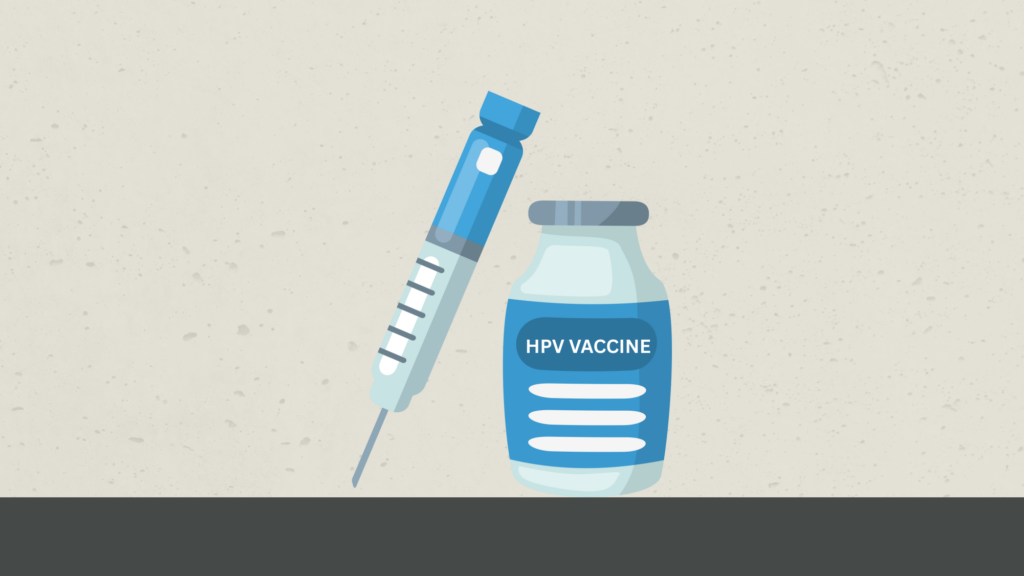
Cervical cancer deaths among American women under 25 have witnessed a dramatic decrease of 62% over the past decade, a testament to the effectiveness of the HPV vaccine. However, this progress is marred by significant disparities in vaccination rates among different demographic groups. Only 28.7% of Black patients complete the vaccine series, compared to 49.5% of Asian patients. Additionally, children from families living below the poverty line are vaccinated at nearly half the rate of their wealthier peers, with only 29.9% of low-income children receiving the vaccine compared to 45.7% of those from affluent families. This disparity highlights a troubling reality: cancer-preventing technology exists, but access is uneven, often aligning with socioeconomic status and race.
The disparity begins as early as the examination room. Research indicates that healthcare providers are less likely to recommend the HPV vaccine to Black and low-income families. Specifically, Black adolescents have 27% lower odds of receiving a recommendation for the vaccine, while low-income households experience even greater barriers, with a 47% lower likelihood of being advised by their healthcare providers. Despite being the same vaccine administered at the same clinic, the recommendations differ significantly based on the demographic background of the patient. This variability puts the fate of cancer prevention in the hands of individual providers, highlighting an unsettling truth: a doctor’s recommendation can dictate who is protected from cancer and who is not.
Moreover, the HPV vaccine requires multiple doses to be fully effective, typically costing between $240 and $350 per dose, leading to a total of up to $1,050 for the complete series without insurance. Recent trials have shown that a single dose can offer comparable protection, which could alleviate some of the burdens associated with multi-dose regimens. Nationally, 78.2% of teens initiated the vaccine in 2024, but only 62.9% completed the series, showing a drop-off rate of 15%. The challenges posed by needing to return for multiple doses often require reliable transportation and time off work, further complicating access for disadvantaged populations, who may struggle to keep appointments.
Scholars Timmermans and Kaufman propose a framework for understanding this phenomenon within the healthcare system, suggesting that health technologies are filtered through design choices, provider behaviors, and resource limitations before they reach patients. Each of these layers tends to favor those who already have the most resources. This systemic issue underscores that the HPV vaccine did not create health disparities; it merely navigated through a system that was already predisposed to such inequities. Therefore, when developing healthcare solutions, it is crucial to consider who might be left behind. The outcomes we see are not mere accidents; they are the results of a system that, by design, often prioritizes certain populations over others.
The implications of these disparities are profound. The drop in cervical cancer deaths is a remarkable achievement, yet it serves as a stark reminder that significant portions of the population remain at high risk due to structural barriers. As awareness of the HPV vaccine's effectiveness grows, so too must our commitment to address the disparities that prevent equitable access to this life-saving technology. Understanding these dynamics is essential for both healthcare providers and policymakers if we are to bridge the gap in vaccination rates and ensure that all young Americans have the opportunity for cancer prevention.
Exclusive: You Won't Believe Which Team Is Set to Challenge the Champions at the 2027 Orlando Cup!

You Won't Believe What Happened at Splash Nightclub's 'Heated Rivalry' Rave—Shocking Moments Revealed!
Rural Startup Days: Miss This FREE Business Support Event in La Junta and Risk Losing Thousands!

Why 78% of Americans Say Faith Should Be Front and Center on Your Screen—Are You Missing Out?
You Won't Believe How YouTube Music's New AI Feature Could DRAIN Spotify's Users—Find Out Why!

L.A.'s Bold Move: 10,000 Apartments in Empty Offices—Will Your Neighborhood Change Forever?
You might also like: