
Are You Eating THIS Every Day? Food Giants Are Hiding a Shocking Secret About Your Favorite Snacks!

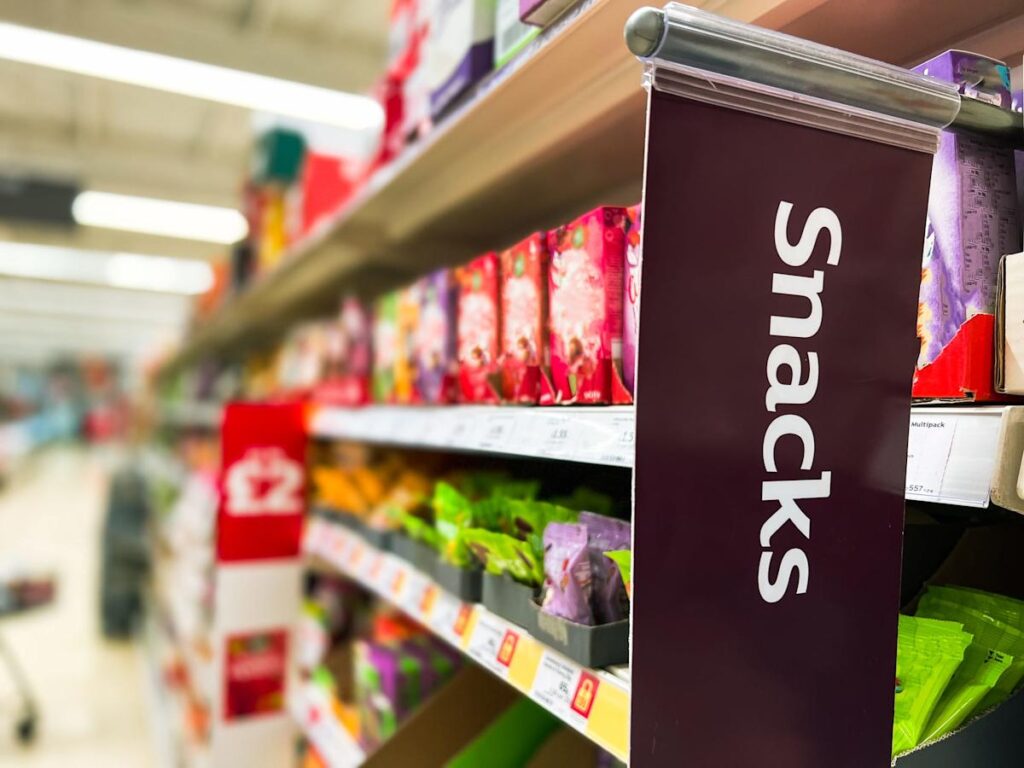
Many Americans of a certain age recall the Lay’s potato chip slogan: “Betcha can’t eat just one.” While it served as playful advertising, it also reflects a deeper truth about our contemporary relationship with food. Most of us have experienced the all-too-familiar scenario of opening a bag of chips with the intention of having just a few, only to find the bag empty moments later. This phenomenon transcends mere weak willpower; it’s a product of modern food design that encourages overeating.
Food scientists have identified the concept known as the “bliss point,” which refers to the optimal balance of sugar, salt, and fat that maximizes pleasure. Such highly palatable foods engage the brain’s reward system, triggering the release of dopamine and activating the same pathways associated with addictive drugs. The end goal isn’t to provide nutrition, but rather to foster repeat consumption.
This strategy didn’t emerge overnight. Many companies that excelled in this area originated from industries with a long history of studying consumer behavior and product chemistry—most notably, the tobacco industry. In the mid-1980s, tobacco executives recognized the changing tides. As health warnings about smoking became ubiquitous and the Surgeon General mandated labels on cigarette packs, the potential for declining sales loomed large.
In 1985, R.J. Reynolds, a major player in the tobacco sector, acquired Nabisco, the parent company of popular brands like Oreo, Ritz Crackers, and Chips Ahoy! This acquisition, part of the largest leveraged buyout in history, was echoed by Philip Morris, which purchased General Foods and later Kraft. On the surface, cigarettes and snack foods might appear unrelated, but both industries share a critical focus: product engineering.
Take a stroll through any big-box retailer or warehouse store in America, and it becomes evident that our shopping habits have adapted to this engineered food landscape. Many consumers purchase large quantities of products in vibrant packaging that exclaims, “More is better!” This attitude is not coincidental. It reflects a shift in America’s relationship with food, moving from home-cooked meals based on whole ingredients to a reliance on industrially produced options.
As processed foods have become the norm, research suggests that approximately 60% of the calories consumed by American adults now come from ultra-processed foods, including sugary beverages, salty snacks, and sweet pastries. According to the Centers for Disease Control and Prevention (CDC), 70% of American adults are overweight, with over 40% classified as obese. The arithmetic is straightforward: when people consume more calories than they expend, the excess is stored as body fat. It’s not just a theory; it’s basic human biology.
As our diets have shifted, so have our eating patterns. With much of our food now produced in factories instead of home kitchens, the average American’s daily nutrition has become increasingly disconnected from traditional dietary practices. The engineered nature of modern snacks mimics the innovations once employed in tobacco manufacturing, where flavors were carefully controlled through the addition of sugars, flavorings, and other compounds to enhance nicotine delivery and flavor profiles. Today’s food manufacturers apply similar principles, ensuring that their products not only taste good but also keep consumers coming back for more.
So, the next time you find yourself reaching into a bag of chips, it might be wise to pause and reflect. That iconic Lay’s slogan may not just be lighthearted marketing; it could serve as a cautionary reminder of the food choices we face today. In an age where consumption is meticulously engineered and where our relationship with food has fundamentally changed, understanding these dynamics is crucial. After all, in many ways, we’re living in a world where the urge to have just one more snack could very well be a byproduct of powerful marketing strategies aimed at keeping us hungry for more.
How Ignoring Climate Health Risks Could Cost You $10,000—Are You Prepared?

You Won't Believe What Happened During the Heated California Governor Debate – Shocking Revelations!

Bose's Shocking New Sound System Will Leave You Speechless—Find Out Why Everyone's Talking!

You Won't Believe Which Startup Just Scored $10 Million – Find Out Before It's Too Late!

Accel Entertainment Just Shattered Records! What This Shocking Q1 Earnings Means for Investors!

You Won't Believe Who Took Home the Shocking Awards at This Year's Ceremony!
You might also like: