
Are You Drinking Toxic Water? The Shocking Truth About PFAS and Your Health!

Per- and polyfluoroalkyl substances (PFAS), often dubbed "forever chemicals," are synthetic compounds found in a wide range of products, from non-stick cookware to firefighting foam. The durability of PFAS stems from their strong carbon–fluorine bonds, rendering them virtually indestructible. This persistence is concerning, as PFAS accumulate in both ecosystems and the human body, leading to a growing body of research highlighting their potential health risks.
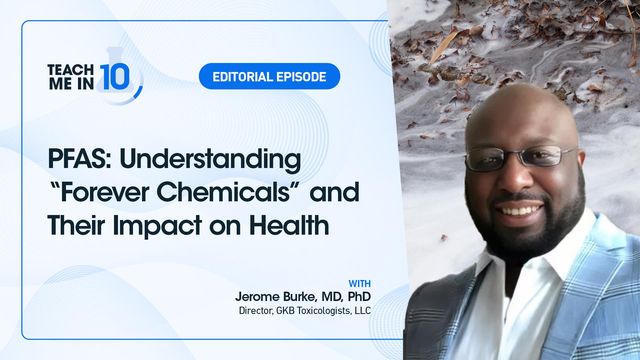
As new variants of PFAS emerge to replace older compounds, the complexities surrounding their detection and remediation intensify. Dr. Jerome Burke, the Director at GKB Toxicologists, sheds light on this pressing issue in a recent episode of Teach Me in 10. His insights cover the chemistry of PFAS, the various exposure pathways, and the evolving regulatory landscape aimed at mitigating the associated risks.
Among the key points discussed, Dr. Burke elaborates on the history of PFAS discovery and development, noting how these chemicals were initially celebrated for their utility before their dangers became apparent. As research continues to unveil the most common health effects linked to PFAS exposure—including potential impacts on liver function, immune response, and developmental outcomes—regulatory agencies are scrambling to catch up.
Emerging Regulations and Health Concerns
In the face of mounting evidence, emerging regulations are beginning to shape how PFAS are managed. Recent legislative efforts aim to establish stricter limits on PFAS levels in drinking water and consumer products, signaling a shift toward more proactive measures. The Environmental Protection Agency (EPA) has indicated plans to introduce new guidelines, which may include designating certain PFAS as hazardous substances, thus facilitating more robust cleanup efforts.
This regulatory push is critical not just for environmental health but also for public safety. Communities across the United States have increasingly reported PFAS contamination, particularly near military bases and industrial sites where firefighting foam is routinely used. The implications are vast—especially for vulnerable populations such as children, who may be more susceptible to the adverse health effects of these chemicals.
In conclusion, as the conversation around PFAS continues to evolve, it is crucial for American consumers to remain informed about the products they use and the potential risks posed by "forever chemicals." The efforts of experts like Dr. Jerome Burke, along with emerging regulations, represent a significant step forward in addressing this persistent threat to public health and the environment.
For those interested in further exploring the intricate world of PFAS, resources are available that delve deeper into the subject, providing valuable insights into prevention and mitigation strategies. Understanding these chemicals is not just a scientific endeavor; it's a critical component of safeguarding health and ensuring a cleaner, safer future.
Cremonese vs Hellas Verona: The Shocking Stats You Need to See Before Betting!

Jasmine Bascoe’s Unbelievable 22 Points Shatter Butler’s Hopes—You Won’t Believe the Ending!

Luxon's Shocking New Slogan Could Change Everything in 2024—Are You Prepared for the Election Twist?

Unlock 2026’s 30 Fitness Investments: Are You Missing Out on Your Dream Body?

You Won't Believe How Fans Are Reacting to the Falcons' Shocking Kevin Stefanski Hire!

Is Your Phone Battery Dying Faster? The Shocking Truth About Cheap Chargers!
You might also like: