
Are Male Frogs Getting Hotter? Discover the Shocking Truth Behind Their New 'Sexy' Calls!

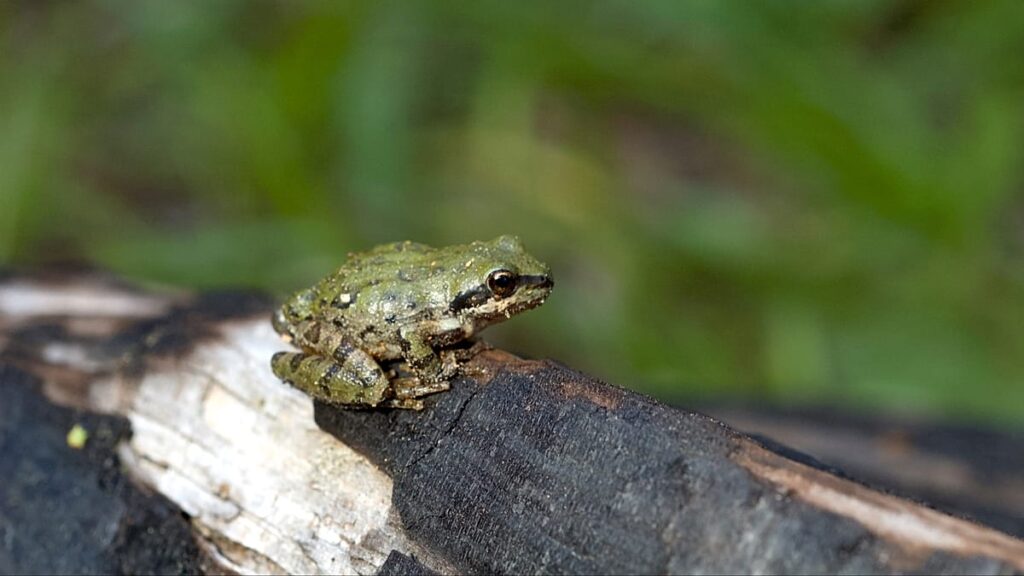
In a surprising twist of nature, climate change is playing a significant role in the mating rituals of male frogs, prompting researchers to examine the shifting characteristics of their mating calls. A recent study conducted by scientists at the University of California, Davis has revealed that warming temperatures are altering the distinct “love songs” these amphibians use to attract females, which could have serious implications for their breeding success.
As climate-related changes impact ecosystems worldwide, it’s crucial to recognize the precarious state of amphibians. Approximately 41 percent of amphibian species are currently threatened with extinction, making them the most endangered class of vertebrates. The urgency to understand their breeding patterns has never been more critical, particularly in the face of increasing habitat loss due to deforestation and climate change.
How Climate Change Influences Frog Mating Calls
Lead author Julianne Pekny, now the director of conservation science with the Amphibian and Reptile Conservancy in North Carolina, ventured into California’s Quail Ridge Ecological Reserve and Lassen Field Station to investigate the mating calls of the Sierran treefrog. Pekny’s research indicates that the environmental temperature directly influences the quality and speed of these calls. “The song of frogs really depends on the temperature of the environment,” she noted. “As ponds warm, male frogs go from sounding slow and sluggish to faster and almost desperate.”
Interestingly, female frogs display a preference for the faster calls produced at higher temperatures, which are perceived as more enticing. “What’s interesting to me is this could be a process by which females are tracking how seasonality is changing over time,” Pekny pointed out. This situation not only affects the timing of mating calls but also alters the overall breeding patterns of these frogs.
As the breeding season approaches, male frogs gather in large groups around ponds, striving to warm up their voices. “It’s in the best interest for males to get to the pond as early as possible, before other males,” explained co-author and herpetologist Brian Todd. However, for females, it’s more advantageous to arrive at the pond when conditions are right for laying their eggs. This dynamic leads to a fascinating interplay between male and female frogs, as they navigate their mating strategies amidst changing environmental conditions.
According to UC Davis Professor Eric Post, these findings could “revolutionize” the study of how animals respond to climate change. He emphasized that males might be unknowingly signaling vital information about the appropriateness of environmental conditions for breeding, which females decode in their own way. This nuanced interaction between temperature and mating calls sheds light on how climate change is reshaping the reproductive behaviors of species.
Published in the journal Frontiers in Ecology and the Environment, this study not only highlights the impact of climate change on frogs but could also be relevant to other species, such as insects that produce mating calls. However, further research is needed to confirm these theories and understand the broader ecological implications.
As climate change continues to alter the natural world, the findings of this study underscore the intricate relationships between species and their environments. The shifting soundscape of frog mating calls serves as a small but poignant reminder of the far-reaching effects of global warming. Understanding these changes is crucial for conservation efforts aimed at protecting the most vulnerable species and preserving biodiversity in a rapidly changing climate.
Why Are Thousands Mourning John MacDonald? The Shocking Truth Behind His Untimely Death!

Mike Collier's Bold Move: Can He Overcome a 30-Year Political Dynasty in Texas? You Won't Believe What Happens Next!

You Won't Believe What Happened During Monmouth's Heated Rivalry Night—Shocking Twist Revealed!

Parents Are FURIOUS: 78% Demand Urgent Action on Kids' Social Media Use—Is Your Child Safe?

Australia's Veterinary Vaccine Market: Why Experts Say It Might Soon Collapse! Shocking Numbers Inside!

Aussie Parents Are Drowning in the New 'Perfection' Trend—78% Are Ready to Quit! Are You Next?
You might also like: