
Are 'Healthy' Snacks Just a Clever Lie? Discover the Shocking Truth Behind Your Favorite Brands!

Starting December 1, shoppers in the United States may notice a distinct change in the appearance of some of their favorite snacks. PepsiCo is rolling out a new line of Doritos and Cheetos that features a more muted color palette—one that moves away from the bright orange and neon yellow hues consumers are accustomed to. Instead, these new snacks will be marketed under the name “Naked,” emphasizing that they contain no artificial flavors or dyes.
This decision to introduce a dye-free version of popular snacks reflects broader trends in consumer preferences, especially among health-conscious shoppers. However, it also raises questions about the motivations behind such product changes. Marion Nestle, a professor emerita of nutrition and food studies at New York University and author of several books, including “What to Eat Now,” remarked that she finds this move amusing, citing a history of similar attempts by food companies. “Food companies are not social service agencies and they're not public health agencies. They're businesses with stockholders to please, and their first priority is maximizing sales and profits,” she noted.
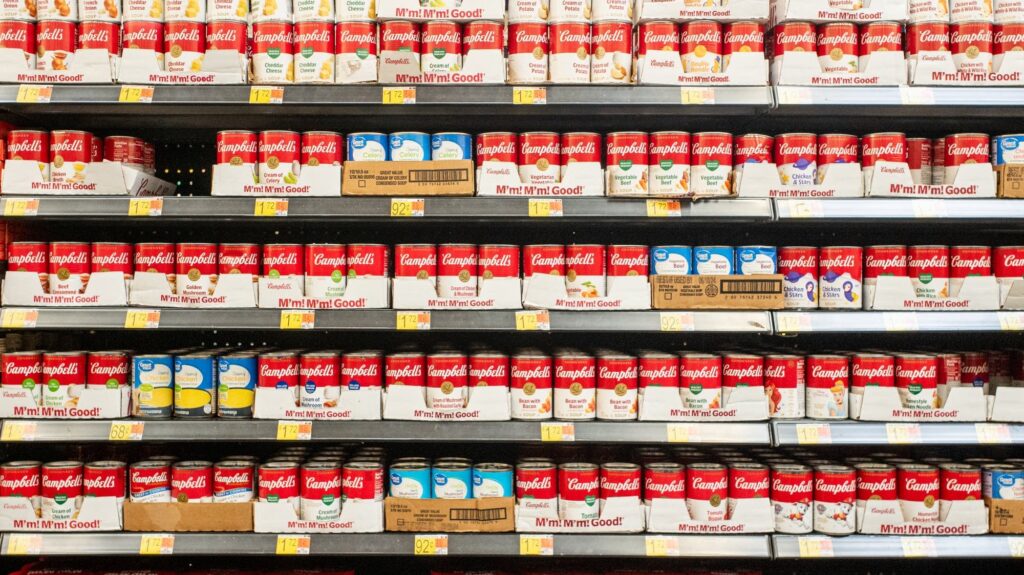
While consumer surveys may indicate a desire for healthier options, these insights don’t always translate to purchasing behavior. Phil Lempert, a food analyst at Supermarket Guru, mentioned the example of Campbell Soup, which reduced sodium levels in some of its soups only to see a drop in sales. “When they reduced the sodium, people stopped buying it. It just wasn’t mm-mm-good for them anymore,” Lempert said. The company later opted to offer both regular and low-sodium versions to cater to different consumer tastes.
This strategy allows brands to not only introduce new products but also to maintain their traditional offerings, ensuring they appeal to a wider range of customers. However, introducing a product like a dye-free version may come with risks. According to Blake Droesch, a senior research analyst at eMarketer, there is potential for backlash. “The risk is that by introducing a dye-free version, you're directly calling attention to the fact that your existing products have unhealthy components in them,” he explained.
Despite this risk, there are potential rewards. If consumers start to view these snacks as everyday staples—especially for children’s lunches—rather than occasional treats, it could alter the market dynamics for these well-known brands. This shift might help transform the perception of Doritos and Cheetos from junk food to a more acceptable option for daily consumption, particularly as families increasingly seek healthier alternatives.
The introduction of the “Naked” line underscores a significant trend in the food industry: the ongoing battle between health and taste. Companies must navigate these waters carefully, balancing consumer demand for healthier products against the risk of alienating loyal customers who prefer their traditional flavors. As PepsiCo continues to innovate within this space, the success of the "Naked" snacks may well provide insights into the future of snack food offerings in an increasingly health-conscious market.
Consumers will inevitably be watching closely to see if this new line resonates as intended. As the landscape of snack foods continues to evolve, the choices that manufacturers make will have lasting implications not only for their bottom lines but for American eating habits overall.
Unlock Your Brain’s Hidden Power: Why 1 Handful of Peanuts Daily Could Boost Memory by 75%!

You Won't Believe Why Michael R. Atwood Was Just Honored by Marquis Who's Who! Find Out Now!
Access Denied: The Shocking Truth Behind 70% of Americans Losing Their Online Privacy—Find Out How!

S&P 500 Plummets—Is a Market Crash Looming? Shocking Euro Stoxx 600 Stability Revealed!

You Won't Believe Which Channel is Airing the Epic Celtics vs. Knicks Showdown TODAY! Don’t Miss Out!

Unlock the Secrets: 24 Surprising Self-Care Treats You’ll Wish You Knew Sooner! Don’t Miss Out!
You might also like: