
Are Gamers Headed for Disaster? DLSS 5’s Hidden Flaws Could Ruin Your Favorite Titles!

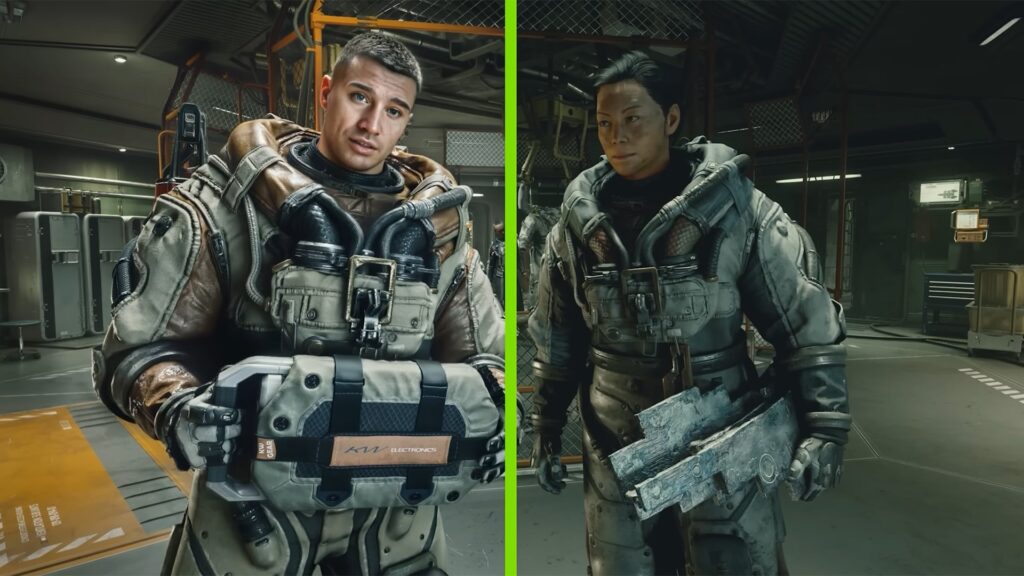
The rapid evolution of machine learning and artificial intelligence in the gaming industry is sparking critical discussions, especially following Nvidia's recent announcement of its latest image enhancement technology, DLSS 5. Lauded as “the most significant breakthrough in computer graphics since the debut of real-time ray tracing,” DLSS 5 aims to redefine how gamers experience visual fidelity. However, as the technology rolls out, concerns about its implications for game preservation and player experience are emerging.
Chloe Appleby, program curator at the Powerhouse Museum in Sydney, has raised alarms about the complications posed by AI-driven technologies like DLSS 5. In an interview with GadgetGuy, she highlighted that the ability to toggle AI enhancements based on hardware capabilities or personal preference could create a challenging dilemma for those tasked with preserving and exhibiting video games. “If these new AI technologies become essential for making and playing games, it has the potential to not only add another layer of potential copyright complexity but bring into question what version of a game should be preserved,” she stated.
The crux of the issue revolves around the variability introduced by these technologies. Appleby posed pertinent questions: “Do we preserve both DLSS off and on? Is the DLSS 5 version consistent amongst players, and if not, what version represents the collective experience?” This highlights a significant challenge for museums and curators aiming to showcase a game accurately. The original vision of a game’s art team could be compromised, especially when the visuals can differ drastically based on individual setups. A museum exhibition that fails to adequately represent a game might not resonate with audiences who recall different aesthetics due to varying hardware.
Appleby further emphasized that the impact of AI technology extends beyond visual fidelity. “Experiences and intent from both the maker and the player change significantly with this tech, which impacts curatorial justifications and interpretations,” she explained. As museums contemplate how to display games enhanced by AI, they face the question of whether to prioritize the creator’s original intent or the audience’s collective memory, a fundamental shift that could redefine the way interactive entertainment is archived.
Further complicating the conversation, Dr. Brendan Keogh from the Queensland University of Technology expressed skepticism about the transformative potential of DLSS 5. He noted the backlash from gamers, who have criticized the technology for creating visuals that many deem unsatisfactory. “What will be important is for players to be vocal about the fact they want games made by actual human beings, that don’t require burning down whole forests and using huge amounts of water just to render bad shadows,” Keogh remarked. His perspective underscores a growing sentiment among gamers that visual enhancement should not come at the cost of artistic integrity.
In response to the criticism, Nvidia's CEO, Jensen Huang, defended DLSS 5, asserting that detractors of the technology are “completely wrong.” This tension between innovation and user satisfaction reflects a broader debate in the tech industry regarding the balance between advancing technology and maintaining the essence of creative work.
As the gaming landscape evolves with advancements like DLSS 5, the implications for preservation, artistic intent, and user experience are profound. The ongoing discourse highlights the need for a careful examination of how technology can enhance or hinder the appreciation and legacy of video games. For museums and curators, navigating these changes will require a thoughtful approach to ensure that they honor both the creators' visions and the multifaceted experiences of players.
You Won't Believe How New White House AI Policies Could Slash Advertisers' Profits by 50%!

Europe's Health Crisis: Are 1 in 3 People Living on Borrowed Time? Discover the Shocking Truth!

Kioxia’s Bold Move: Are You Ready for the END of Affordable MLC NAND Products? What This Means for You!
Think You Can Launch a Defense Tech Start-Up? Here’s What 90% Get Wrong – Don’t Be One of Them!
Is Your Browser Putting You at Risk? Discover the Shocking Truth NOW Before It's Too Late!
Is Your Browser Leaving You Vulnerable? 5 Shocking Risks You Can’t Afford to Ignore!
You might also like: