
Are Dementia Care Tools Failing Our Loved Ones? Shocking Truths Revealed!

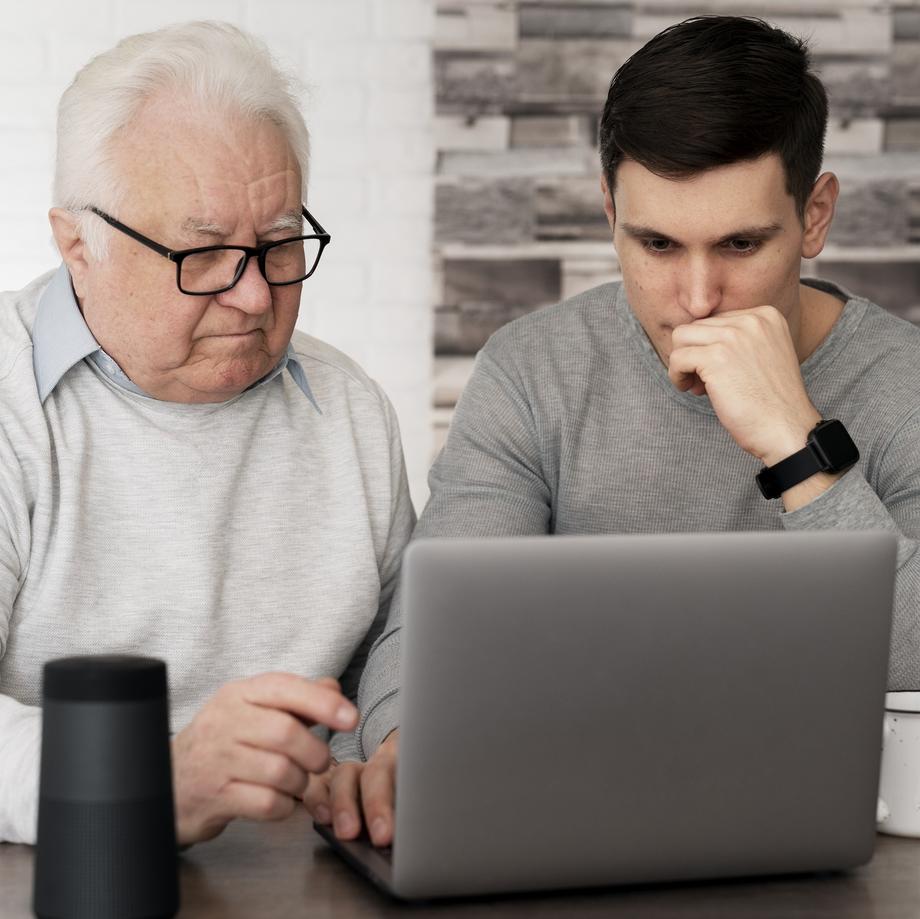
Family caregivers of individuals with Alzheimer’s disease and related dementias face an evolving landscape where managing care increasingly happens through digital platforms. Yet, a recent study from the George Mason University College of Public Health reveals a troubling gap: nearly half of these caregivers lack confidence in their ability to locate and effectively use digital health resources. This research, published in SAGE Open Aging, highlights a significant disconnect between the frequent use of digital health tools and the confidence required to navigate them successfully.
Despite the fact that caregivers regularly engage with various online health management activities—such as logging onto patient portals, scheduling telehealth appointments, and checking test results—the study found that simply accessing these resources does not equate to understanding or confidence in using them. As Kyeung Mi Oh, a nursing professor and the study's lead author, noted, “This gap reveals that simply accessing information online does not always equip individuals with the skills or confidence needed to use broader digital health resources.” Some digital activities bolster confidence, while others can exacerbate feelings of inadequacy.
The research indicates that self-directed tools, like health and wellness applications, correlate with increased confidence levels among caregivers. Conversely, complex tasks—particularly those involving the management of digital systems on behalf of care recipients—were linked to decreased confidence. This suggests that while digital health tools are intended to simplify care, they can also introduce added complexity that may overwhelm caregivers.
Understanding the Implications
This finding is critical, not just for the caregivers but also for the broader healthcare environment. The implications extend beyond the ability to manage care efficiently; they touch on caregivers' overall well-being. Indeed, the study indicates that caregivers who lack confidence in their digital literacy are also more likely to feel uncertain about managing their own health, potentially leading to burnout and negatively impacting their long-term health. Oh emphasizes this concern, stating, “We saw that caregivers who feel less confident in their digital literacy are also less confident in their ability to take good care of themselves.”
Examining the study's findings further reveals stark statistics about caregiver confidence. Almost half of dementia caregivers reported feeling inadequate in their ability to utilize helpful digital health resources. This comes despite the widespread use of essential tools like patient portals, provider messaging, and online health searches. The findings also delineate how specific activities affect confidence levels:
- Caregivers who utilized health or wellness apps on smartphones or tablets demonstrated the strongest association with confidence in navigating digital health resources.
- In contrast, activities requiring caregivers to manage digital systems for someone else—such as telehealth visits and using patient portals on behalf of another—were linked to lower confidence.
- Confidence levels also varied significantly based on demographic factors. Older caregivers, women, those with lower socioeconomic status, and adult children caring for aging parents were notably less likely to feel confident, even when they reported similar levels of engagement with digital tools.
- Conversely, caregivers who reported greater confidence in using digital health resources were also more likely to feel capable of managing their own health.
The interdisciplinary study team included Sungsoo Ray Hong, an assistant professor in the Department of Information Sciences and Technology at George Mason, and Krista Beran, a PhD student in nursing at the same institution. As digital health technology continues to evolve, understanding these dynamics becomes increasingly essential. Addressing the barriers to digital confidence is critical for empowering caregivers, ensuring not only their health but also the quality of care they provide to their loved ones.
As the healthcare system continues to lean into technology for managing patient care, it is essential to ensure that family caregivers are equipped with the skills and confidence needed to navigate these digital tools. The findings from the George Mason study highlight a need for targeted training and resources that can bridge the skills gap. This effort not only supports caregivers but also enhances the overall efficacy of digital health resources in providing quality care.
Unlock the Shocking Truth: 7 Life-Changing Steps to Disconnect from Your Phone Before It's Too Late!

Experts Warn: 60% of Major Food Crops Are Facing Extinction—Is Your Dinner at Risk?

You Won't Believe How the Pistons' Next 10 Games Could Change Everything—Will They Rise or Fall?

Sheboygan’s I-43 Overhaul Just Got the Green Light—But Here’s What You NEED to Know!

LeBron and Pat Riley Spill SHOCKING Secrets: What If the Heat’s Dynasty Never Ended? You Won’t Believe the Truth!

You Won't Believe How This YouTuber Transformed a Cracked Phone into a $100 Gaming PC!
You might also like: