
Are Adaptable Animals DOOMED? Shocking Study Reveals Why They’re Evolving Slower in a Warming World!

In a groundbreaking study, researchers have discovered that animals exhibiting flexible behavior tend to slow their physical evolution when faced with changing environments. This insight reinterprets the slow rate of physical change as a sign of resilience rather than a marker of vulnerability in the face of climate shifts.
Dr. Carlos Botero from The University of Texas at Austin (UT Austin) led this investigation, employing computer simulations to track how populations adapt to environmental changes. His research revealed that when a population faced changes due to a specific trait that no longer matched their surroundings, increasing flexibility in behavior significantly reduced the necessity for rapid physical adaptations. As behavioral flexibility increased, individual animals were able to survive longer despite mismatches with their environment, allowing entire populations to persist without immediate structural changes. This poses intriguing questions about how survival under duress might influence future evolutionary pathways.
📰 Table of Contents
Behavioral Flexibility and Climate Change
The study's findings are particularly relevant in the context of climate change. For instance, when temperatures rise, certain species, such as lake trout, adapt their behavior before any physical changes occur by moving to deeper waters and consuming smaller prey. This ability to quickly adjust actions in response to environmental stressors is termed behavioral flexibility. Dr. Botero noted, “By modeling the capacity to be flexible, instead of the actual behavioral responses that different animals exhibit, the model allows us to predict how and how quickly animals will adapt to climate change.” This approach highlights a shared capability across various animal species, moving beyond individual quirks to a broader understanding of adaptation.
Behavioral adaptations can have lasting implications for species' genetic diversity. When animals adjust their behaviors to navigate immediate challenges, they preserve a wider range of inherited traits within their populations, maintaining the genetic diversity that fuels evolution as environments continue to shift.
Botero's simulations tracked thousands of individuals over multiple generations, demonstrating that flexible animals retained greater options for survival. In scenarios where environmental shocks occurred later, these populations were not merely tested on their speed of evolution but were instead better equipped to thrive due to their retained genetic variation.
Moderate Flexibility Drives Evolution
Interestingly, the study also revealed that moderate levels of behavioral flexibility can foster a quicker rise of new forms within a population. Botero explained that “intermediate behavioral flexibility—not too high and not too low—enables individuals to explore new habitats and tolerate a reasonable amount of environmental change without entirely preventing the need to adapt their bodies.” This nuanced balance suggests that too little flexibility can expose populations to risk, while excessive flexibility may buffer them so effectively that there is less evolutionary pressure.
When small groups of animals colonize unfamiliar habitats, moderate flexibility becomes especially crucial. Botero's experiments involved isolating groups of 100 individuals and subjecting them to harsh conditions over 500 generations. He found that as flexibility increased, survival rates improved significantly, indicating that even modest behavioral adjustments could prevent extinction. Once a group survives long enough, the ecological opportunities begin to shape diversity rather than merely testing endurance.
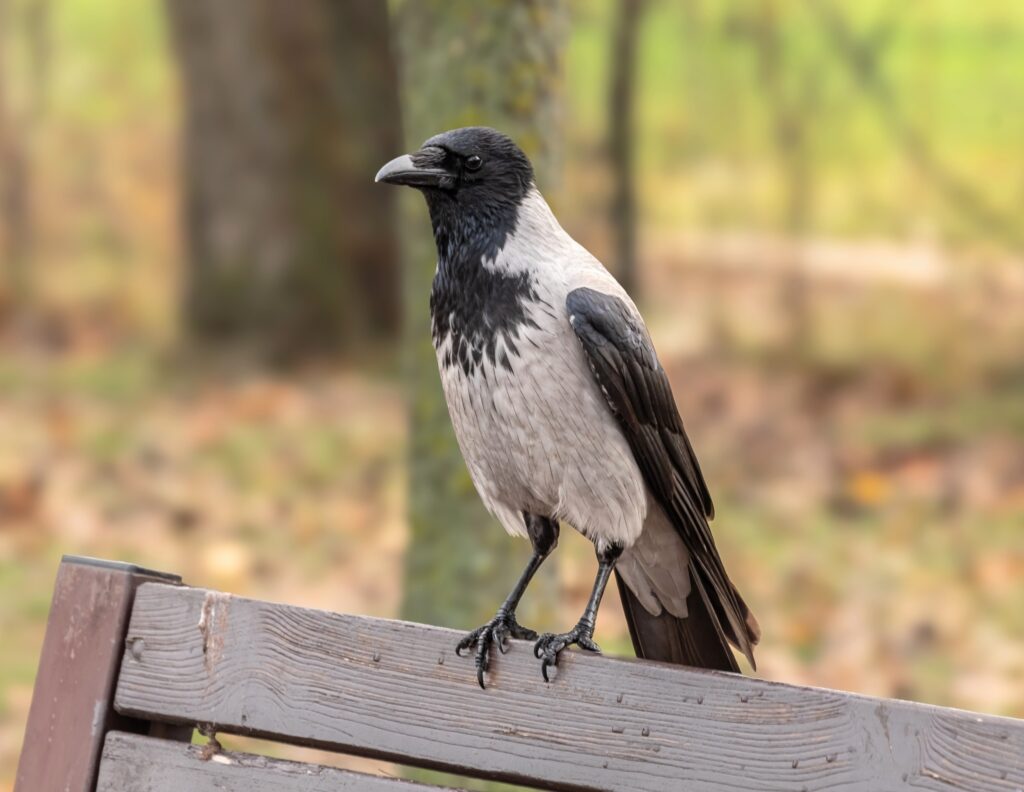
The implications of this study extend beyond theoretical models; real-world evidence, especially among birds, supports these findings. Previous research indicated that larger-brained birds displayed diminished physical responses to climate changes. Additionally, studies on crows and ravens pointed to rapid diversification linked to climatic niche expansions across continents. Although these examples do not prove Botero’s model, they align with the notion that flexibility can buy time for species facing environmental change.
As assessments of climate change continue to evolve, it is essential to reconsider how adaptive capacity is measured. Traditional frameworks often interpret slow bodily changes as indicators of weak adaptive capacity. However, the insights from Botero’s study suggest that slow evolution might, in fact, reflect a softened evolutionary pressure, allowing species to cope more effectively with changing conditions.
Ultimately, this research underscores the critical role of animal behavior in shaping evolutionary trajectories. While species may appear slow to adapt physically, their behavioral flexibility can preserve options, stave off collapse, and lay the groundwork for future diversity. Future research will need to focus on assessing flexibility in wild populations, particularly among species already contending with severe climate extremes. The study has been published in the journal Nature Communications.
Is Penn Entertainment's (PENN) Stock About to Skyrocket? Discover What Wall Street Knows!

Trump’s SHOCKING Court Battle: Can He Save His $10 Million Ballroom Dream? Don’t Miss This!

Former Chelsea Star Oscar Shocks Fans: Heart Condition Forces Early Retirement at Just 31! What’s Next?

A'ja Wilson's SHOCKING Social Media Troll of Paige Bueckers After UConn Loss—You Won't Believe What She Said!
Wizz Air's Shocking In-Flight Experiment: Will You Get FREE Wi-Fi and Movies? Find Out NOW!
You Won't Believe What Happens When Access to This Page is Denied—Shocking Truth Revealed!
You might also like: