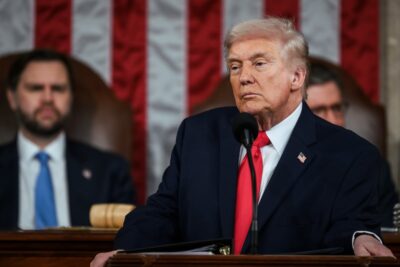
Anthropic's Shocking Showdown with the Pentagon: Will Legal Tech Firms Survive the Fall?

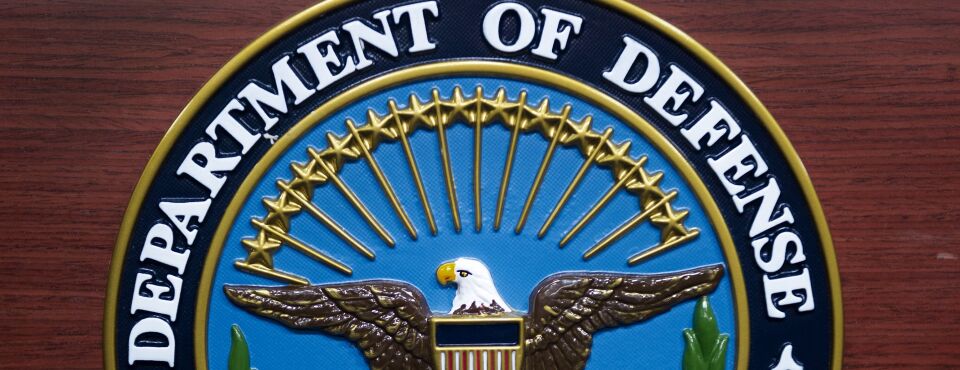
The recent decision by the Pentagon to classify Anthropic as a national security risk has significant implications for the artificial intelligence landscape in the United States. This designation, made in March, has prompted Anthropic’s clients to reevaluate the role of this AI powerhouse within their own products and services. While Anthropic has stated that the majority of its customers remain unaffected by this directive, the ramifications for those involved in defense contracts could be substantial.
Under the Pentagon's directive, Anthropic is now labeled as a supply chain risk, which specifically restricts the use of its products in contexts directly linked to Department of Defense contracts. This means that companies leveraging Anthropic’s technology for defense-related projects must now reconsider their partnerships and technological frameworks. Despite the narrow focus of this risk designation, many of Anthropic’s clients are taking a closer look at what this means for their operations and compliance.
Anthropic has reassured its clients that the “vast majority” will continue their operations as usual. However, they acknowledge that contractors working on certain defense contracts should prepare for increased scrutiny and possible inquiries from customers regarding compliance and risk management. The classification has raised questions about the reliability of AI tools in sensitive applications, especially as nations increasingly turn to technology for defense and security solutions.
The implications of this move extend beyond Anthropic and its immediate clients. As the U.S. government intensifies its focus on national security in relation to emerging technologies, other AI firms may find themselves facing similar assessments. The defense sector is becoming more vigilant about the supply chains that support its operations, reflecting a broader trend of caution as geopolitical tensions rise. This could lead to further regulatory measures that impact not only AI companies but also industries reliant on cutting-edge technology.
Moreover, the national security conversation around AI is gaining momentum. With various tech giants developing advanced AI capabilities, including OpenAI and Google, the need for robust frameworks to assess the security implications of these technologies is becoming critical. The Pentagon's action against Anthropic serves as a reminder of the importance of balancing innovation with accountability, particularly in sectors where security risks are elevated.
As companies navigate this new regulatory landscape, they may also need to invest in compliance solutions that can effectively address the Pentagon's directives. This may involve auditing their supply chains, conducting thorough risk assessments, and ensuring that their technology aligns with national security standards. For many firms, this means not only safeguarding their current partnerships but also pursuing new opportunities while maintaining compliance.
In summary, the Pentagon's designation of Anthropic as a national security risk shines a light on the interconnectedness of AI technology and national security. As companies grapple with these changes, the broader implications for the tech industry and the defense sector will likely unfold over the coming months. This development serves as a critical reminder that while technology continues to advance, its integration within sensitive sectors requires ongoing vigilance and responsible management.
Is a Stock Market Meltdown Looming? Shocking 2026 Predictions Under Trump You Can’t Ignore!

Why Is Everyone in Washington Suddenly Obsessed with This ONE iPhone Feature? You Won't Believe the Shocking Reason!
Is Sweating During Workouts a Waste? Discover the Shocking Truth That Could Change Your Fitness Game!
CCEL Plummets -100.00% in Pre-Market! Is Your Investment at Risk? Shocking Details Inside!

You Won’t Believe the SHOCKING Moments from the 2026 Oscars That Everyone’s Going to Be Talking About!
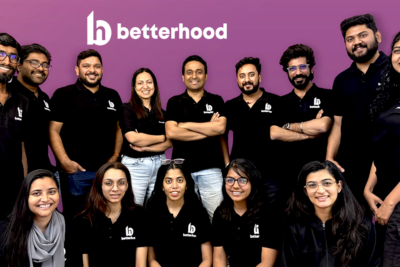
Is Betterhood's $5 Million Seed Round the Secret to Pain-Free Living? You Won't Believe Who's Backing It!
You might also like: