
Amazon Lakes Are Heating Up—Is This the Start of a Catastrophic Climate Shift? Discover the Shocking Truth!

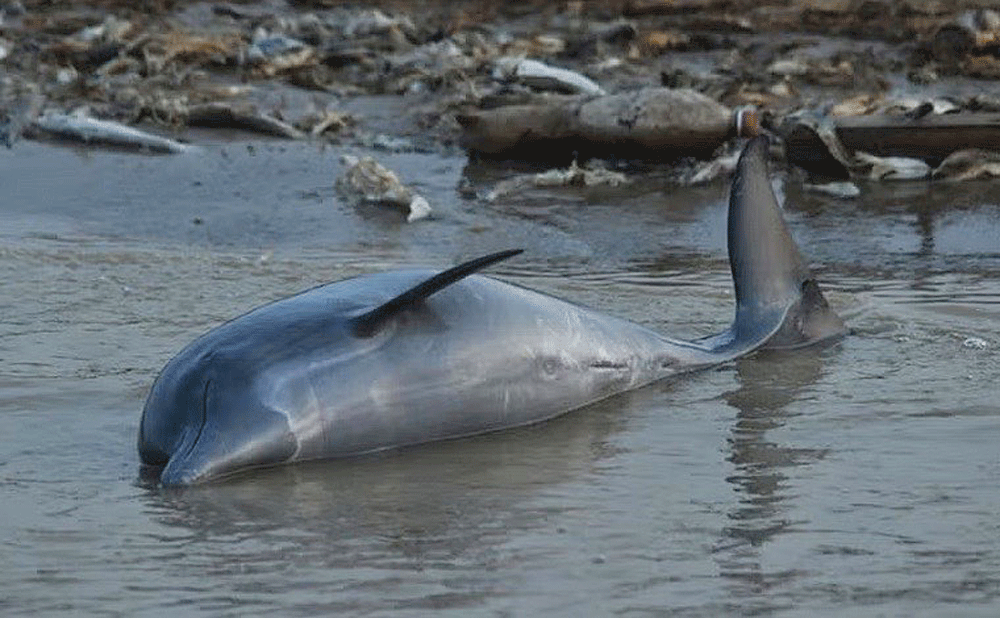
The central Amazon is facing an unprecedented climate crisis as severe drought conditions culminated in the deaths of over 200 endangered river dolphins, specifically the tucuxi and boto species, along the shores of Lake Tefé in September 2023. This alarming event has raised critical concerns about the health of this vital ecosystem and the broader implications for both wildlife and human populations in the region.
Initially, researchers were baffled by the sudden appearance of dolphin carcasses. However, a team from the Mamirauá Institute in Amazonas, Brazil, along with faculty from UC Santa Barbara, quickly identified heatstroke as the likely cause of death—a phenomenon never before recorded in freshwater environments. This finding underscores the grave implications of rising water temperatures for apex predators like these dolphins, which play a crucial role in maintaining the ecological balance of their habitats.
While the focus of global media has largely been on soaring air and ocean temperatures, the freshwater lakes of the Amazon are also experiencing alarming heating trends. Between September and October, Lake Tefé's water temperatures soared to over 40° Celsius (104º Fahrenheit), a stark contrast to the average surface temperatures of similar tropical lakes, which typically hover around 29-30°C (84-86º F). This drastic increase occurred as the lake's surface area shrank by approximately 75%, from 379 km² down to a mere 95 km², leaving behind vast areas of shallow water.
Dr. Ayan Fleischmann, a senior researcher at the Mamirauá Institute, remarked, “Under normal conditions, the deeper water is usually colder, serving as a refuge for animals to escape very high temperatures. However, in the extreme drought of 2023, this refuge simply did not exist.” The combination of intense solar radiation, low wind speeds, and increased water turbidity contributed significantly to this situation, creating a "heating lamp" effect that exacerbated the lake's temperature issues.
According to the study published in the journal Science, the heatwave in Lake Tefé is emblematic of a broader warming trend affecting the central Amazon. The study revealed that high water temperatures above 37° C (98.6º F) were recorded not just in Lake Tefé, but across multiple floodplain lakes in the region, highlighting the severity of the crisis. Researchers have found that, on average, temperatures in Amazonian lakes have increased by about 0.6° C (1.1º F) per decade since 1990, with some lakes warming by up to 0.8° C (1.4º F).
This year’s drought is not an isolated incident but part of a worrying trend marked by more frequent freshwater heatwaves. The implications extend beyond ecological concerns; local human populations are also feeling the effects. Extreme drought conditions deplete vital resources such as fisheries and restrict transportation routes along the Amazon's rivers, threatening the food, water, and medicine accessibility for riverine communities.
As the Amazon faces these climate-related challenges, the situation at Lake Tefé serves as a stark reminder of the interconnectedness of ecosystems and human livelihoods. Researchers emphasize the need for long-term monitoring of Amazonian aquatic ecosystems to develop effective climate and disaster policies. The superheating of these lakes not only signals immediate danger for wildlife but also highlights the urgent need for action against the backdrop of global climate change.
In summary, the tragic loss of river dolphins in Lake Tefé is a call to attention regarding the ongoing climate crisis in the Amazon. With climate change wreaking havoc on both the environment and local communities, it is crucial that we heed the warnings presented by these vulnerable ecosystems before it’s too late.
Nike's Shocking Insider Buy Sparks 20% Surge—Are You Missing Out on This Game-Changer?

Texas A&M Star Shocker! Why This All-American is Risking Everything for a 2026 NFL Draft Bid!

Joe Burrow’s Shocking Comeback: How One Play Against Arizona Changed Everything!
Your Browser Could Be Exposing Your Personal Data—Find Out How to Protect Yourself NOW!

Is Trump’s Bizarre Collection of White House Plaques Leading Us Down a Dark Path? Discover the Shocking Truth!

Is This the Game-Changer Japan Needs? Startup Shocks Industry with Unprecedented Fusion Power Deal!
You might also like: