
Alaska's Governor Race Just Got Heated: Meet the 18th Candidate Who Could Change Everything!

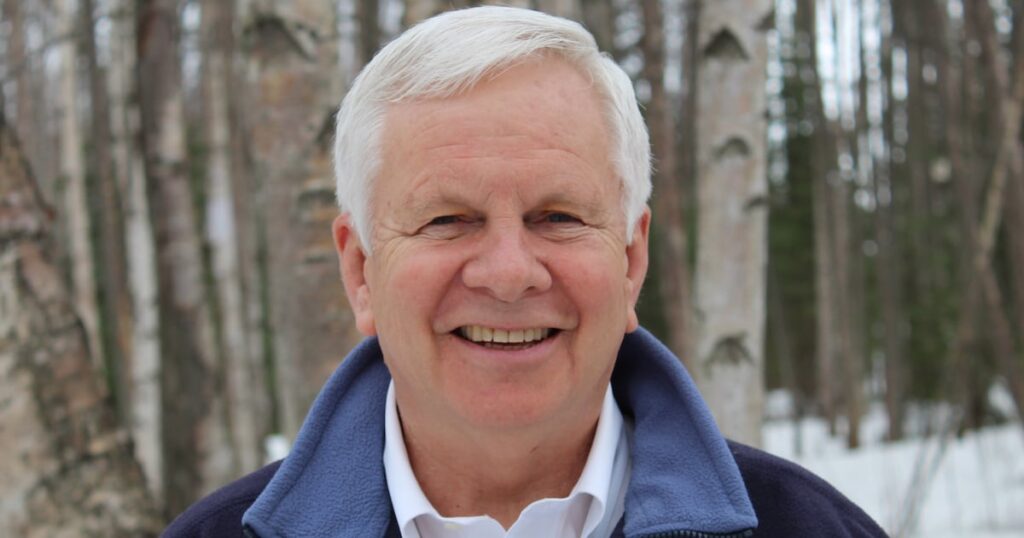
In a significant development in Alaska politics, attorney Gregg Brelsford has declared his candidacy for governor, making him the 18th candidate to enter the race. Brelsford, 75, previously served as a municipal attorney in Anchorage and held leadership positions in Dillingham and Bristol Bay Borough. He is running as an independent candidate, highlighting a crowded field eager to succeed Mike Dunleavy, the current Republican governor who is term-limited and cannot seek reelection.
Brelsford’s entry into the race comes amid a wave of over a dozen contenders, including 12 Republicans, three Democrats, and two nonpartisan candidates. His previous political experience includes unsuccessful runs for the U.S. House of Representatives in 2022 and the Alaska House in 1994, making this current campaign his latest foray into state-level politics.
In a statement announcing his candidacy, Brelsford expressed deep concern over what he perceives as the detrimental impact of Republican leadership on Alaska's education system, particularly affecting K-12 schoolchildren and teachers. He emphasized that education funding will be his top priority if elected, a stance that may resonate with many voters who are critical of recent budget cuts in the education sector.
The current landscape of candidates includes a diverse array of political backgrounds. On the Republican side, notable figures include former Labor Commissioner Click Bishop, former Anchorage Mayor Dave Bronson, and current Lt. Gov. Nancy Dahlstrom. Other Republican hopefuls range from business leaders to former state officials, all vying for the chance to appeal to a Republican voter base.
Meanwhile, the Democratic challengers include Anchorage Sen. Matt Claman, former Anchorage Sen. Tom Begich, and former Sitka Rep. Jonathan Kreiss-Tomkins. This blend of candidates reflects a broad spectrum of political ideologies and priorities that will engage Alaskan voters in the upcoming elections.
The Alaska primary elections are set for August, and all candidates must submit their names by June 1. Notably, Alaska’s election system allows for a unique primary structure where all candidates, regardless of party affiliation, will appear on the same ballot. The top four vote-getters will move on to the general election, a system designed to encourage wider voter participation and offer more choices to the electorate.
As the political landscape in Alaska evolves, Brelsford's focus on education funding offers a clear contrast to the current administration's policies, which may be pivotal in shaping voter sentiments. With a growing number of candidates, the race for the Alaska governor's mansion is shaping up to be more competitive than ever, with various factions within the state's political landscape seeking to connect with voters on pressing issues.
Brelsford’s campaign will have to navigate not only the crowded field but also align with the concerns of Alaskans who are increasingly focused on educational investment and the quality of public services. His experience in municipal governance may provide him with insights into local issues that resonate with voters seeking a representative who understands their challenges.
As this race unfolds, it will be interesting to see how candidates differentiate themselves on key issues and how the electorate responds to their proposals, particularly regarding education reform and funding. With many weeks left until the primary, Brelsford’s commitment to education could either galvanize support or face scrutiny from the diverse array of candidates competing for the same voter base.
Tulsa Teens' Shocking Health Tech Discovery: Will It Change Lives or Spark Controversy?

Taylor Frankie Paul’s Shocking Third Domestic Violence Claim: What Did She Just Reveal? You Won’t Believe It!

Woman Sues Planet Fitness for $1M After Shocking Assault at West Ashley Gym - What Happened?

Copa90's Shocking New Deal with TikTok: What This Means for Soccer Fans! Don’t Miss Out!

Vitality's Shocking Move: How Acquiring Ramp Health Could Change Your Workplace Forever!

REMAX’s Shocking $10 Million Settlement: What It Means for Your Next Home Purchase!
You might also like: