
AI Cameras Unleash a Firestorm: 200% Surge in Fire Detection Tech Across Tasmania—What You Need to Know NOW!

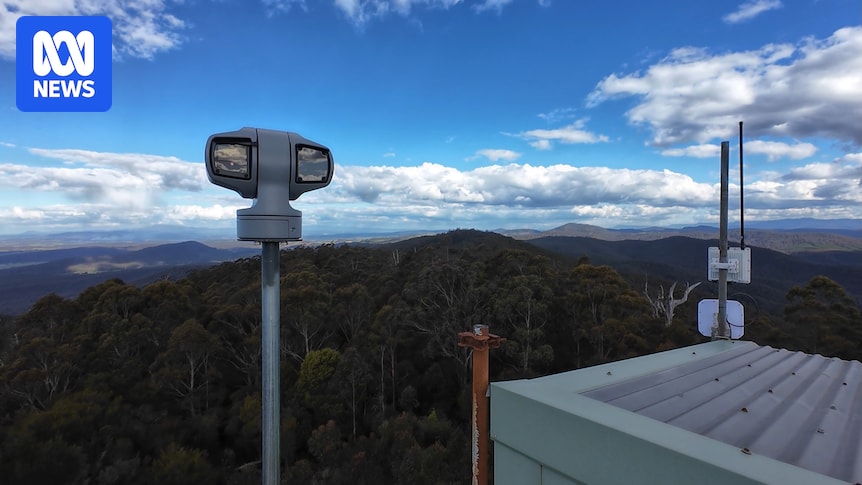
On a sweltering day in early December, Tasmania faced fierce winds and multiple bushfires, stretching its firefighting teams thin. Blazes erupted in Dolphin Sands and St Helens on the east coast, claiming 19 homes in Dolphin Sands alone while the St Helens fire continued to rage. In the midst of this chaos, a remote artificial intelligence camera detected a small plume of smoke just kilometers away near St Mary's, nestled within the parched bushland.
At 8:30 AM, a series of alarms rang out, prompting fire headquarters to check real-time images and subsequently alert firefighting teams. A helicopter was dispatched from the St Helens blaze to the precise coordinates of the new fire, and within just two hours, flames were extinguished, preventing what could have been a significant disaster.
This quick response was a huge relief for Shaun Suitor from Sustainable Timber Tasmania (STT), one of the key organizations involved in managing firefighting efforts across Tasmania's remote regions in collaboration with the Parks and Wildlife Service. "The early detection allowed the STT duty officer to send staff and equipment there to put it out really quickly," Suitor remarked.
The technology behind this prompt response comes from Indicium Dynamics, a software company based in southern Tasmania. Rob Vernon, the company's chief executive, noted that the St Helens fire was also spotted by their remote cameras, although it was reported by local residents as well. This innovative technology is expected to be a game changer, particularly for remote fires often ignited by lightning.
With a federal government grant of $1.4 million, STT and Indicium Dynamics plan to double their remote firefighting technology, introducing a new generation of cameras, drones, and other support systems across Tasmania. The ongoing trial of these cameras has already demonstrated their effectiveness, detecting over 550 fires in the 2024/25 season, with 123 of those alerts going directly to fire management agencies.
The cameras have been strategically installed on existing fire towers that are already in place on elevated terrains, granting them expansive views of the surrounding landscape. These devices patrol in 360 degrees, continuously analyzing the area for any signs of smoke up to 30 kilometers away. "Our daytime record is detecting fires 78 kilometers away," Vernon stated, adding that their nighttime capabilities have even captured flames burning 130 kilometers away.
"It will be the biggest camera detection network in Australia, and it will hopefully allow agencies to jump on fires a lot quicker,"
Suitor explained. He emphasized the need for such technological advancements to bolster the effectiveness of firefighting crews. While human firefighters remain essential on the front lines, the integration of technology aims to enhance their capabilities rather than replace them. "We're really excited about our opportunity to do that," Vernon concluded.
The cameras not only assist in spotting fires but also provide vital data on fire conditions in conjunction with weather stations that monitor wind speed and direction. This comprehensive approach allows authorities to paint a clearer picture of the situation, augmenting the efforts of fire crews on the ground.
As Tasmania braces for increasing bushfire threats due to climate change, the introduction of advanced detection technologies signifies a proactive step towards better safeguarding communities and natural landscapes. The collaboration between STT and Indicium Dynamics underscores a pivotal shift in how Australia approaches fire management, marking a crucial response to an escalating environmental challenge.
Discover the A$100M Penny Stocks Set to Explode—Are You Missing Out on This Goldmine?

Shocking Measles Outbreak in Rutherford County: Were YOU Exposed at This Church?

Unlock the Secret: 5 NBA DFS Picks, Including Reed Sheppard, That Could Make You a Fortune Tonight!

You Won't Believe What the 2026 Golden Globes Could Mean for Your Favorite Stars! 7 Shocking Revelations Inside!

Is Kilroy Realty’s 23% Valuation Discount a Hidden Goldmine or a Major Red Flag? Don’t Miss Out!

Australia's Climate Crisis: Why 1 Million Species Could Disappear by 2030—Are We Next?
You might also like: