
After 25 Years of Everglades Restoration, Is Florida's Climate Future in Jeopardy? Shocking Truths Revealed!


Twenty-five years after Congress approved an ambitious plan to restore the Florida Everglades, the initiative has blossomed into one of the largest ecosystem restoration projects globally, increasingly influenced by the realities of climate change and rising sea levels. The Comprehensive Everglades Restoration Plan (CERP), signed into law in 2000, aimed to repair decades of ecological damage caused by canals and drainage systems that diverted freshwater away from this vital ecosystem and out to sea. Its primary goal was to restore more natural water flow while ensuring a reliable freshwater supply for the burgeoning population in South Florida.
As the project has evolved, so too has its mission. With climate change accelerating, restoration efforts are now viewed as vital for both ecological recovery and regional resilience. Wetlands are essential buffers against storm surges, mitigate saltwater intrusion, and help reduce flooding—issues that are becoming increasingly urgent for coastal communities across the region.
The restoration effort encompasses approximately 18,000 square miles and includes large reservoirs, stormwater treatment areas, and infrastructure designed to capture, store, and cleanse freshwater before it moves south through the Everglades. Officials state that these projects have successfully reduced harmful freshwater discharges into coastal estuaries while enhancing habitats for diverse wildlife.
The financial commitment to Everglades restoration is staggering, exceeding $27 billion, with funding contributions from both the federal government and the state of Florida. Progress, however, has been uneven and slower than initially anticipated. Nonetheless, supporters assert that recent advancements have provided tangible improvements and laid the groundwork for future resilience.
Scientists emphasize that over 70 threatened and endangered species rely on the Everglades ecosystem. The benefits of restoration extend beyond wildlife, as a healthier Everglades bolsters drinking water supplies, protects coastal communities, and enhances South Florida’s ability to adapt to ongoing climate challenges.
As the project marks its 25th anniversary, policymakers and environmental advocates argue that the work is far from complete. With the dual threats of rising sea levels and more intense storms, Everglades restoration is increasingly regarded as a cornerstone of South Florida’s long-term survival. The ongoing efforts not only aim to heal the ecological wounds inflicted over decades but also strive to create a sustainable environment where both people and nature can thrive.
For more on this critical issue, you can explore further through the Everglades Foundation and related climate news sources.
You Won't Believe What Happens at Canfield's Shocking New Year Health Expo for Dogs!
You Won't Believe What Happens When 90% of People Try to Access This Secret Site!

You Won't Believe the Shocking Prices of Schuylkill County's 10 Most Expensive Homes Sold Last Week!
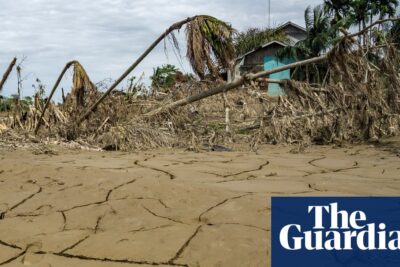
Why Our Very Survival is at Risk: Shocking Truths About the Climate Crisis You Must Know!

You Won't Believe How the Digital Tech Industry Just Blew Past 2025 Goals—Find Out Why!

Alison Hammond’s SHOCKING 11-Stone Transformation: What She Did Will Leave You Speechless!
You might also like: