Africa’s Shocking Vaccine Strategy: Are We Ignoring a Health Crisis That Could Affect Millions?

Brazzaville — In a significant move to bolster public health on the African continent, public health experts from over a dozen African countries have gathered in Brazzaville for a hands-on training workshop aimed at enhancing vaccine effectiveness (VE) research. This initiative, part of the African Region Monitoring Vaccine Effectiveness (AFRO-MoVE) Network, represents a crucial step towards filling a notable gap in Africa's capacity to generate real-world data regarding vaccine performance outside of clinical trials.
Despite ongoing progress in immunization coverage, Africa continues to face a disproportionately high burden of infectious diseases. Vaccines remain the foremost public health tool in the region, saving millions of lives annually. However, the absence of locally sourced vaccine effectiveness data has often hampered national efforts to develop timely immunization policies, optimize vaccine introductions, and respond effectively to outbreaks.
“Strengthening our capacity to generate high-quality, real-world evidence is essential for protecting communities and guiding smart investments in public health,” said Dr. Benido Impouma, Acting Director of Health Promotion, Disease Prevention and Control Cluster at the WHO Regional Office for Africa. “Without it, we are operating with blind spots.”
The AFRO-MoVE Network, which was established in 2021 during the COVID-19 pandemic, aims to address these deficiencies by coordinating research efforts and enhancing the region’s technical capabilities. The workshop in Brazzaville is part of a broader strategy by the World Health Organization (WHO) to cultivate a sustainable pool of experts in vaccine effectiveness research across Africa.
Focused on mid-level epidemiologists and public health professionals, the workshop provides intensive training in epidemiological study design, advanced data analysis, and methods to detect and manage bias—common challenges faced in VE studies. The objective is not just to upgrade technical skills but also to foster a robust community of practice that extends beyond the confines of the training room.
Participants emphasize that the skills gained will be pivotal for enabling their countries to make evidence-based decisions—whether it involves the introduction of new vaccines, adjustments to immunization schedules, or prompt responses to emerging outbreaks.
“This workshop is a strategic investment in preparedness and public trust,” stated Dr. Weldegebriel Goitom Gebremedhin, a Technical Officer for Surveillance at the Vaccine Preventable Diseases Programme of the WHO Regional Office for Africa. “It is a bold step in regional self-reliance.”
Beyond merely acquiring technical know-how, vaccine effectiveness studies serve broader public health goals. Reliable data about vaccine performance can significantly bolster public confidence—an essential factor in an environment where misinformation often undermines vaccination efforts. Furthermore, it enhances governments' capabilities to prepare for future health emergencies by informing policy decisions with data that reflect the unique contexts of African populations and health systems.
“Generating our own evidence means we can craft solutions that fit our realities,” remarked Dr. Mukumbwa-Mwenechanya Mpande, an epidemiologist participating in the workshop. “I will go back to my country and apply my learnings on the methodology of vaccine effectiveness for vaccines that my country will soon introduce. This is how we build resilient health systems.”
The workshop is part of a series of three regional courses aimed at embedding VE research within national immunization programs, enhancing health security, and empowering Africa to design, lead, and interpret VE studies that reflect local realities. With a stronger, regionally anchored research workforce, the organizers believe Africa will be better positioned to lead global discussions on vaccine performance, respond swiftly during emergencies, and advocate for data-driven immunization strategies.
This comprehensive training initiative underscores a critical shift towards self-reliance in public health research across Africa. By equipping local professionals with the necessary skills to conduct VE studies, the AFRO-MoVE Network is not only advancing regional health capabilities but also fostering an environment where informed public health decisions can thrive, ultimately working to improve the health outcomes of communities throughout the continent.
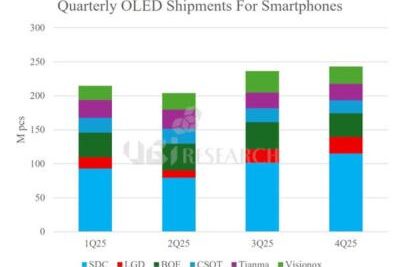
Is the OLED Smartphone Market About to Explode? Shocking Predictions for 2025 You Can't Ignore!

University of Utah's Shocking Athletic Deal: What They're Hiding from Fans About This $50M Partnership!

Joe Rogan Drops a Bombshell: Why Trump’s UFC White House Event Could Spiral Into CHAOS!

America's First "Microsoap" Feature Hits Screens—Discover What You're Missing Before It's Gone!

Discover the 9 SHOCKING Personality Traits of Women Who Flourish in Retirement—Are You Missing Out?
Your Browser Might Be Hiding a Shocking Secret—Discover What You’re Missing Before It’s Too Late!
You might also like: