
Aetna's Bold Move: Will This Shocking Change Leave Your Healthcare in Chaos?

Aetna®, a subsidiary of CVS Health® (NYSE: CVS), has announced significant advancements in its strategy to streamline the healthcare experience for both patients and providers. In a December 4, 2025, press release, Aetna highlighted two key initiatives aimed at reducing the burdens associated with healthcare navigation while enhancing service delivery.
Aetna’s president, Steve Nelson, expressed pride in the company’s progress towards a more user-friendly healthcare system, stating, “Aetna committed to several bold actions earlier this year that were intended to improve the American healthcare industry, and I’m proud of the progress we’ve made against these commitments.” This commitment is part of a broader move to simplify healthcare access, making it more navigable and affordable for consumers.
Streamlining Prior Authorization Processes
One of Aetna’s notable initiatives is the bundling of medical procedures and pharmaceutical medications into a single prior authorization request. Traditionally, healthcare providers faced the challenge of submitting separate prior authorizations for medical procedures—like in vitro fertilization (IVF)—and the associated medications under Aetna's pharmacy plan. As of November 2025, Aetna is among the first large national healthcare payers to integrate these processes into one. If a provider submits a prior authorization for a medical procedure and it is approved, the related medications are automatically authorized under the Aetna pharmacy benefit.
This approach aims to reduce friction in the healthcare system, which could lead to faster patient care and a more efficient workflow for providers. Furthermore, Aetna has introduced a comprehensive musculoskeletal offering that encompasses a range of services including X-rays, knee arthroplasty surgical procedures, anti-nausea medications, and durable medical equipment, extending the bundling approach initiated earlier in the year for cancer treatment.
Innovative Care Models through Aetna Clinical Collaboration
Aetna is also advancing its care delivery models through the Aetna Clinical Collaboration (ACC) program. This initiative fosters closer partnerships between Aetna's nursing staff and hospital personnel, focusing on providing tailored support to Medicare Advantage members transitioning from hospital care to home or skilled nursing facilities. The program aims to reduce 30-day hospital readmissions and length of stay by five percent once fully implemented, with current rollout efforts taking place in 17 hospitals and medical facilities.
Leveraging AI for Enhanced Member Experience
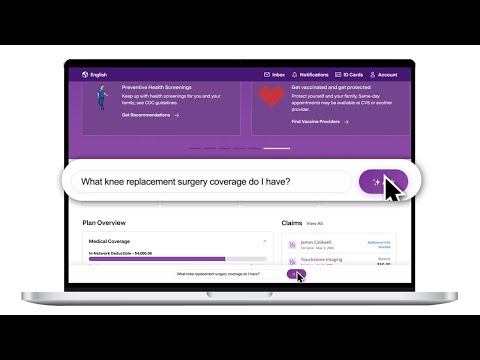
In line with CVS Health's $20 billion digital investment strategy, Aetna is embracing technology to enhance the patient experience. The newly launched Aetna Health app features advanced generative AI capabilities designed to facilitate seamless navigation of the healthcare system. Unlike existing platforms that typically confine AI functionalities to chat windows, Aetna's approach integrates AI throughout the entire user experience, providing a more comprehensive and interactive support system for members.
Aetna's efforts to modernize its operational systems—including claims processing and care management—reflect a commitment to becoming a best-in-class service provider. As the company continues to innovate, it aims to deliver greater value to its customers, members, and healthcare providers.
About Aetna and CVS Health
Aetna serves approximately 37 million individuals, offering a wide array of health insurance products and services, including medical, pharmacy, dental, and behavioral health plans. Its customer base encompasses employer groups, individuals, and various governmental units. CVS Health, as a leading health solutions provider, operates nearly 9,000 retail pharmacy locations and has established itself as a prominent player in the pharmacy benefits management space, serving around 87 million plan members.
As Aetna forges ahead with its strategic initiatives, the healthcare landscape may see a more integrated and user-friendly approach, potentially setting new standards for how healthcare is delivered in the United States.
You Won't Believe How Just 1 Ounce of Peanuts Can Revitalize Your Memory—Find Out Now!

China's Shocking Climate Gamble: Are They Really Ready for a 30% Increase in Disasters?

Shocking CDC Vote Looms: Could Your Newborn Face a Life-Threatening Hepatitis B Risk?
Kazakhstan's Shocking Move: Will Social Media Be Banned for ALL Under 16s? Find Out Why!

Top US Vaccine Official Warns: Shocking Memo Reveals Alarming Truth—Are You at Risk?

Kyrgyzstan’s $10 Billion Climate Crisis: Are We Ignoring a Disaster of Epic Proportions?
You might also like: